
Cairns · Inscribed 1981
You are visiting a World Heritage Area The Great Barrier Reef, and what that status means
Not a title. A legal protection framework with obligations attached — and one of only a handful of places on earth listed against all four of UNESCO's natural criteria.
Quick Answer
The Great Barrier Reef was inscribed on the UNESCO World Heritage List in 1981 and is one of a very small number of places on earth listed against all four of UNESCO's natural criteria — beauty, geology, living processes and biodiversity. The Area covers 348,000 square kilometres of reef, coast and island, taking in around 2,500 individual reefs and more than 900 islands. Listing is not an award: it is a protection framework under an international treaty, with obligations on Australia to manage the property and report on its condition. The Reef remains on the World Heritage List and has not been placed on the List of World Heritage in Danger. Moore Reef, where Sunlover's pontoon is moored 47km off Cairns, sits inside the Area.
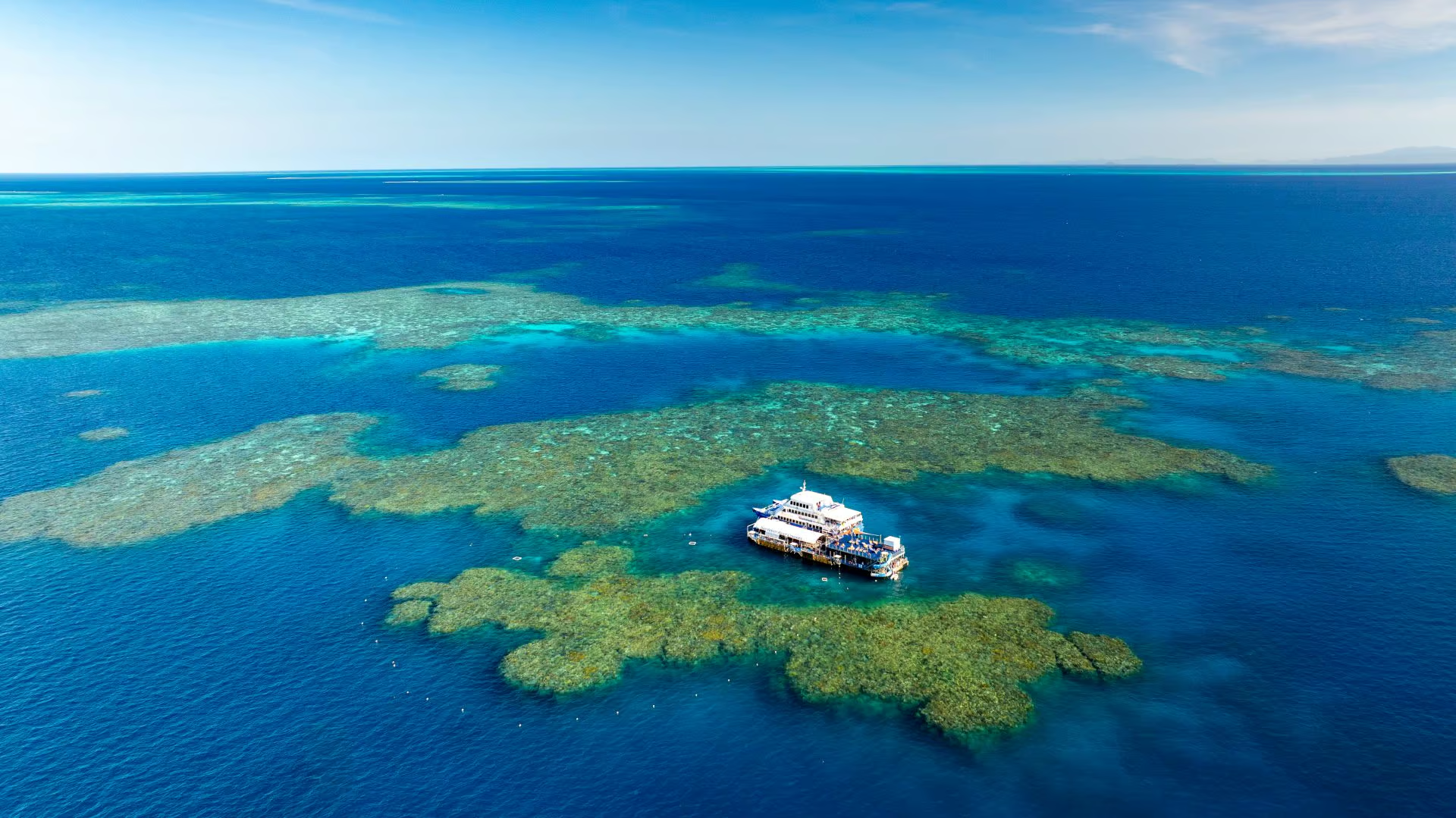
Moore Reef sits inside it
Sunlover's pontoon is moored at Moore Reef, on the outer Great Barrier Reef about 47 kilometres off Cairns. Moore Reef lies within the Great Barrier Reef World Heritage Area, inscribed on the UNESCO World Heritage List in 1981, and within the Great Barrier Reef Marine Park.
Most people hear “World Heritage” and picture an award — a plaque for being beautiful. It isn't. World Heritage listing is a framework under an international treaty. It creates obligations for the country that holds the property, a reporting cycle, and a committee that responds in writing. Understanding that changes what a day on the Reef actually means.
This page sets out what the listing says, where the numbers come from, and where a day trip fits inside it. Every figure links to its source.
348,000 square kilometres of it. You get to spend a day in one small, extraordinary corner.
Moore Reef, 47km off Cairns — inside the Great Barrier Reef World Heritage AreaListed against all four natural criteria
UNESCO assesses natural World Heritage against four criteria. Most listed places meet one. The Great Barrier Reef meets every one of them — and you can see all four from the pontoon in a single day.
 Criterion vii
Superlative natural beauty
Exceptional natural phenomena, or areas of outstanding natural beauty and aesthetic importance.
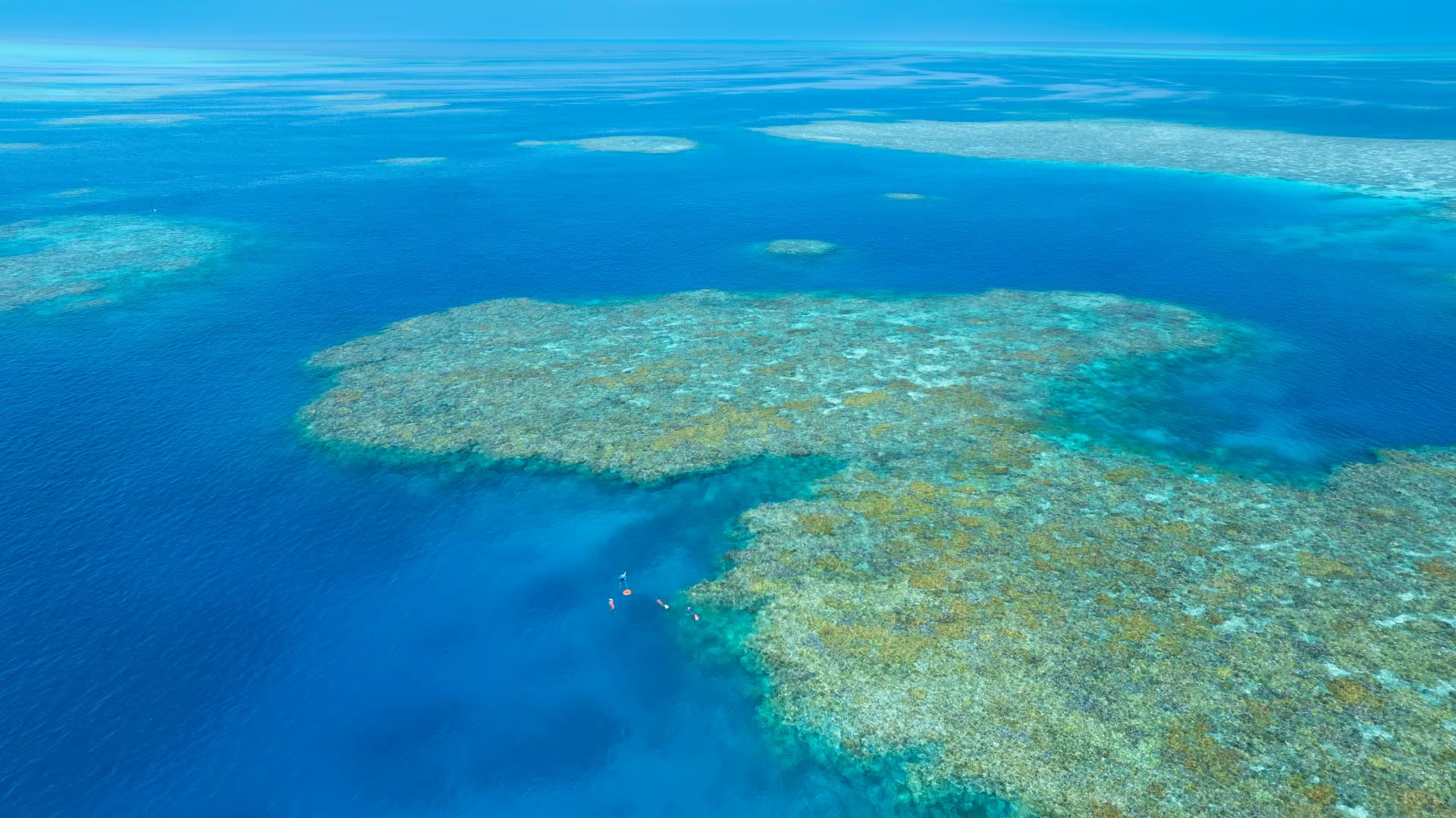
On the day: the colour change as the vessel crosses from coastal water out to the coral gardens at Moore Reef.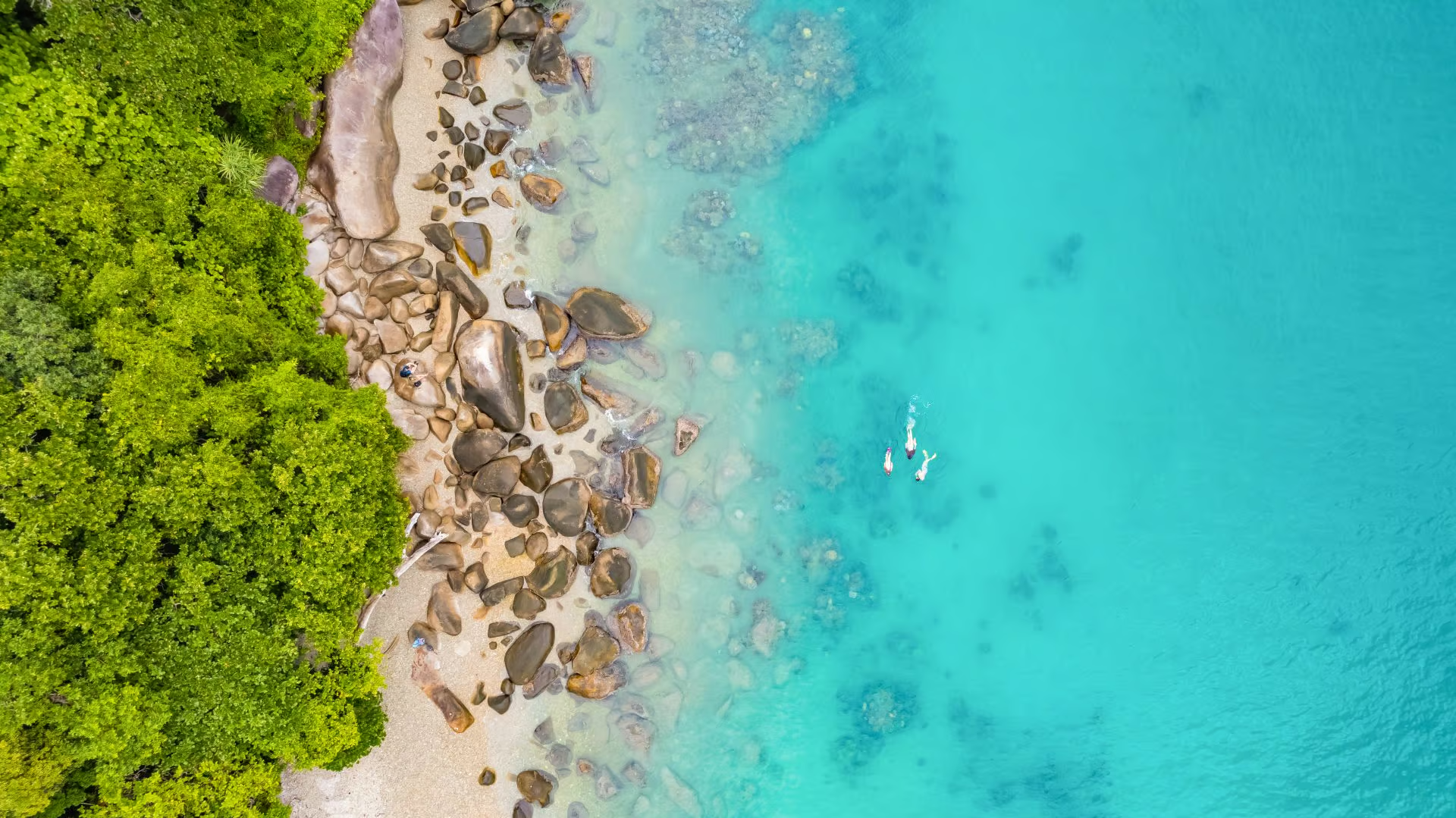 Criterion viii
A record of the earth's history
Major stages of the earth's story, including landforms and significant ongoing geological processes.
On the day: the reef structure itself — built by coral over thousands of years, and still building underneath you.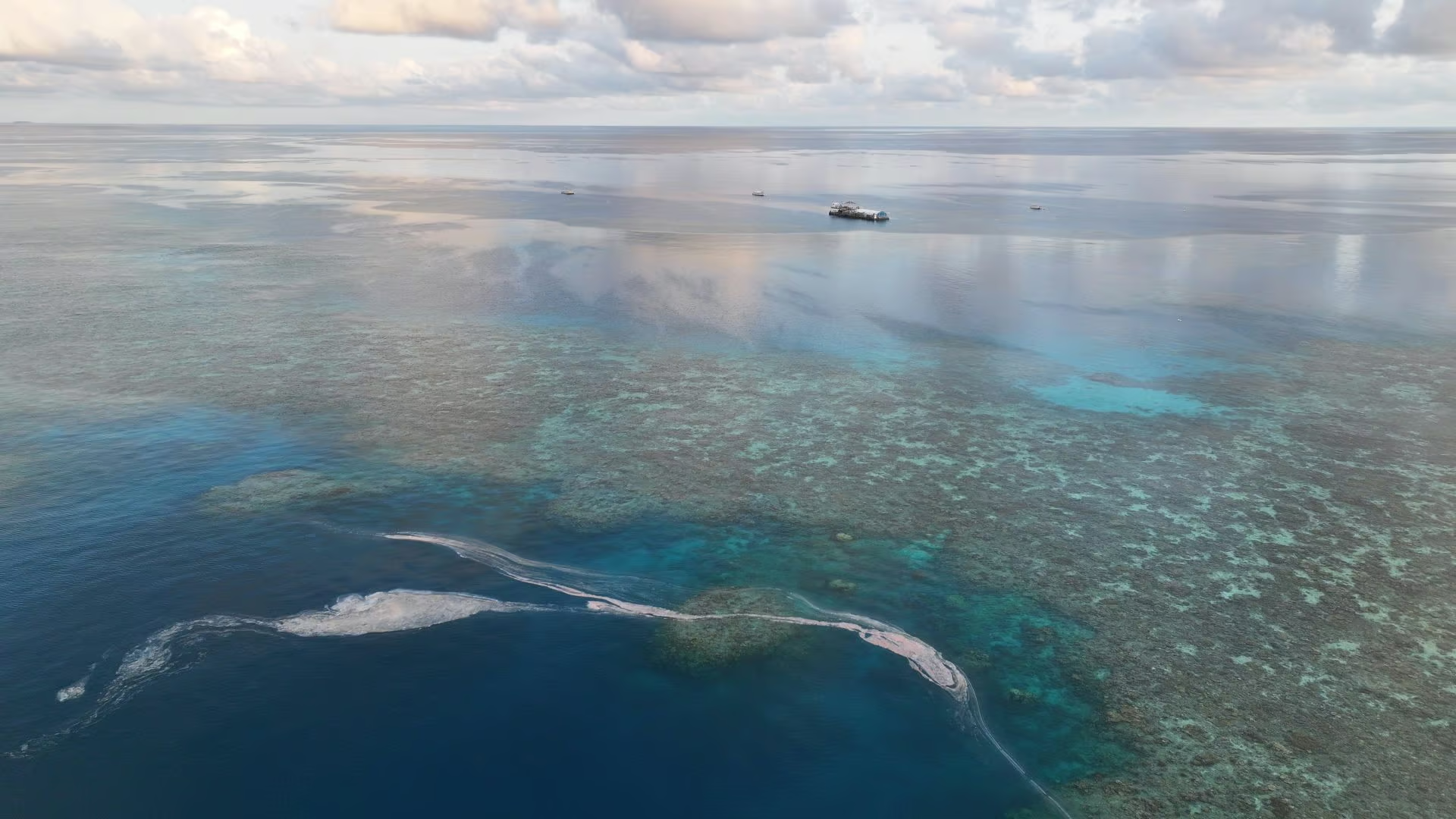 Criterion ix
Living ecological processes
Significant ongoing ecological and biological processes in the evolution of ecosystems and communities.
On the day: our marine biologists point out what is happening right then — feeding, spawning, and the shift change between day and night species.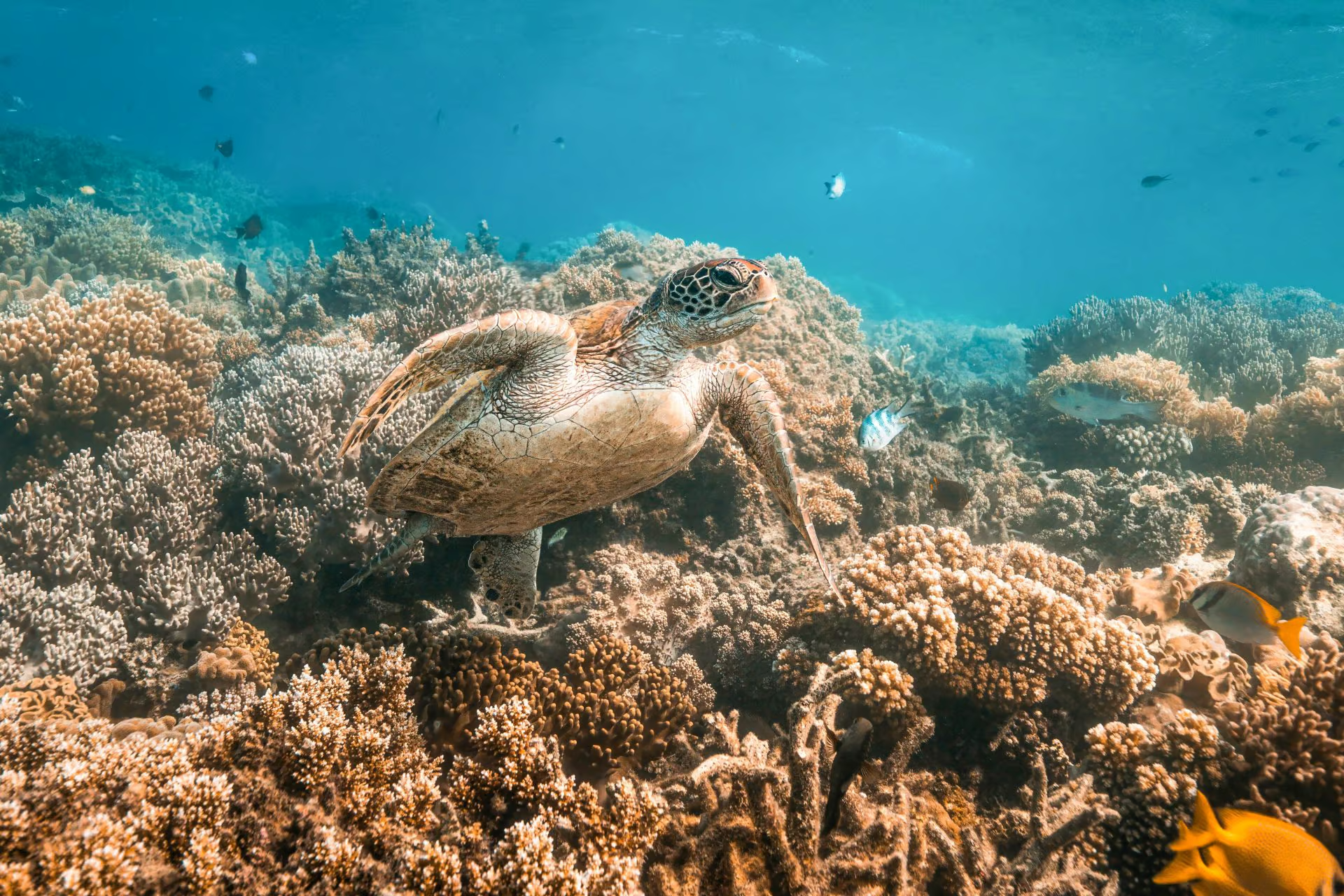 Criterion x
Habitat for biodiversity
The most important natural habitats for conserving biological diversity, including habitat for threatened species.
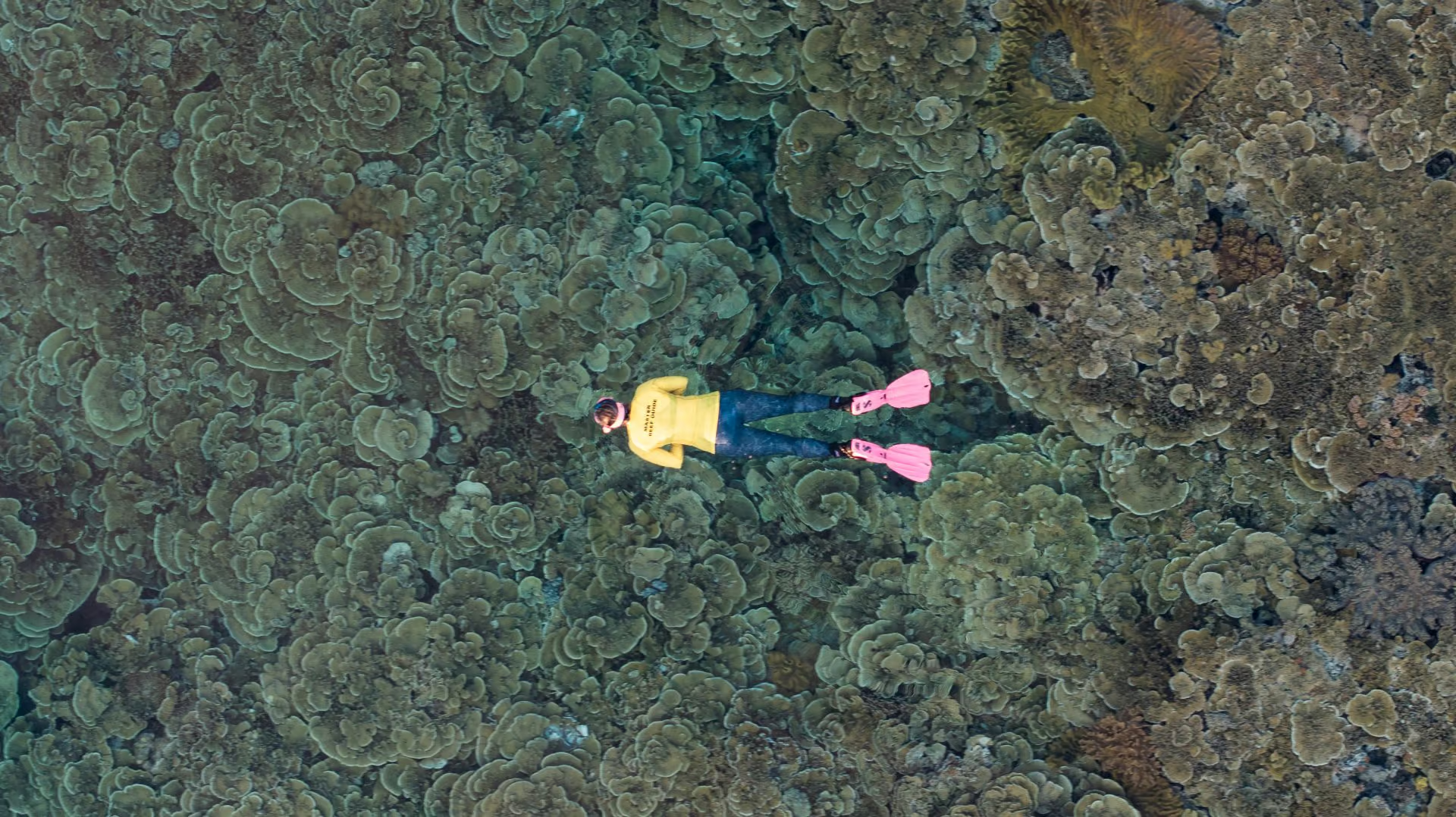
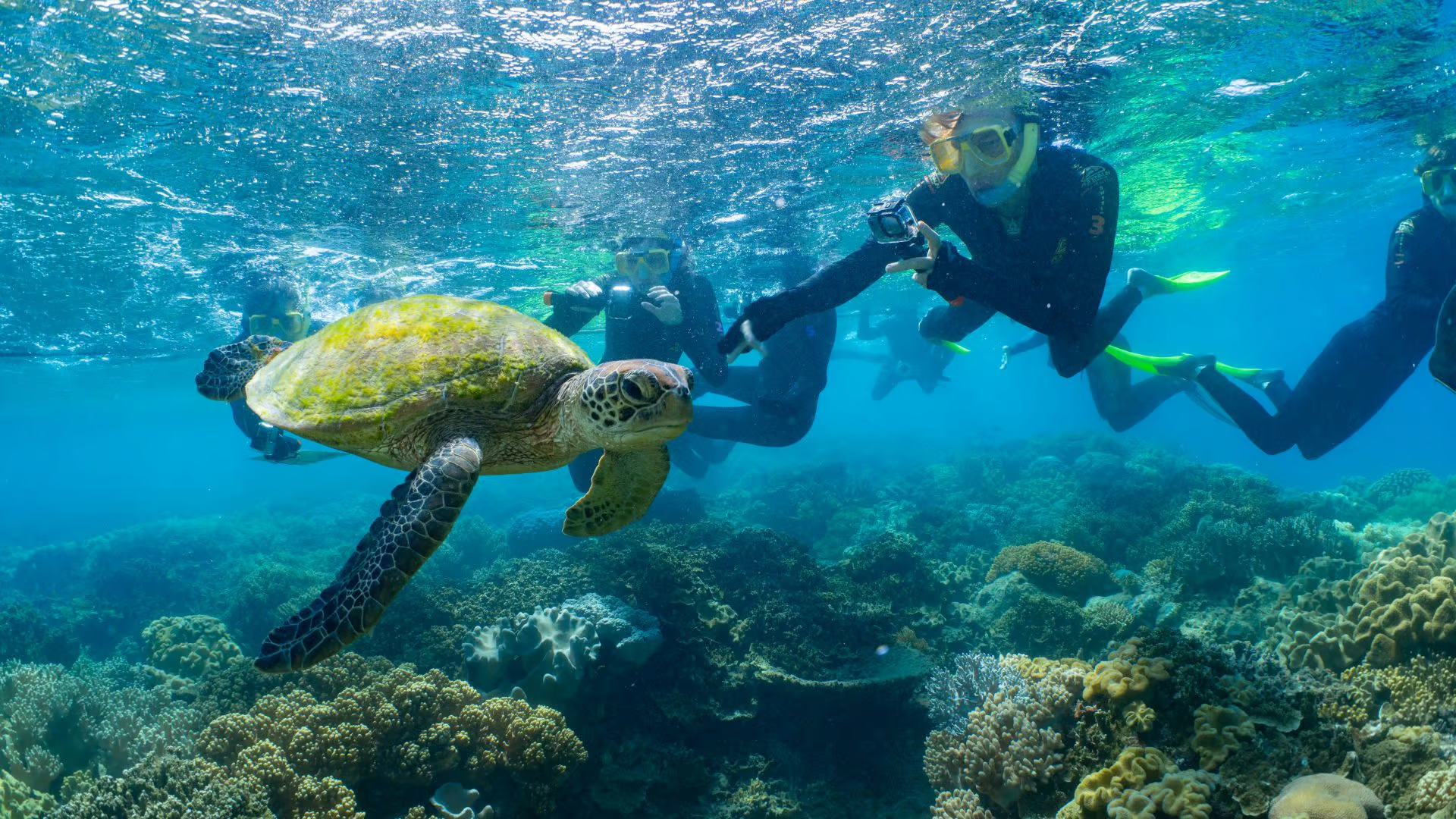
On the day: six of the world's seven marine turtle species live in the Reef. Green turtles are a regular sighting at Moore Reef.World Heritage is a protection framework, not an award
The World Heritage Convention is an international treaty. When a property is inscribed, the country that holds it takes on obligations: to protect the values the property was listed for, to manage it, and to report on it.
For the Great Barrier Reef that means Australia submits state of conservation reports, and the World Heritage Committee responds with formal, published decisions. Those decisions are public documents. Anyone can read them. They name what is going well and what is not, and they set deadlines.
Climate change is named in the Committee's recent decisions as the central threat to the property. The listing does not paper over that — it is the mechanism that keeps it on the record and keeps the reporting coming.
That is the honest version, and it is more interesting than the postcard version. A World Heritage Area is not a place that has been declared safe. It is a place the world has agreed to keep watching.
What is inside the Area
Every figure below is taken directly from UNESCO's property record for the Great Barrier Reef. Not estimates, not marketing rounding.

Where a day trip fits
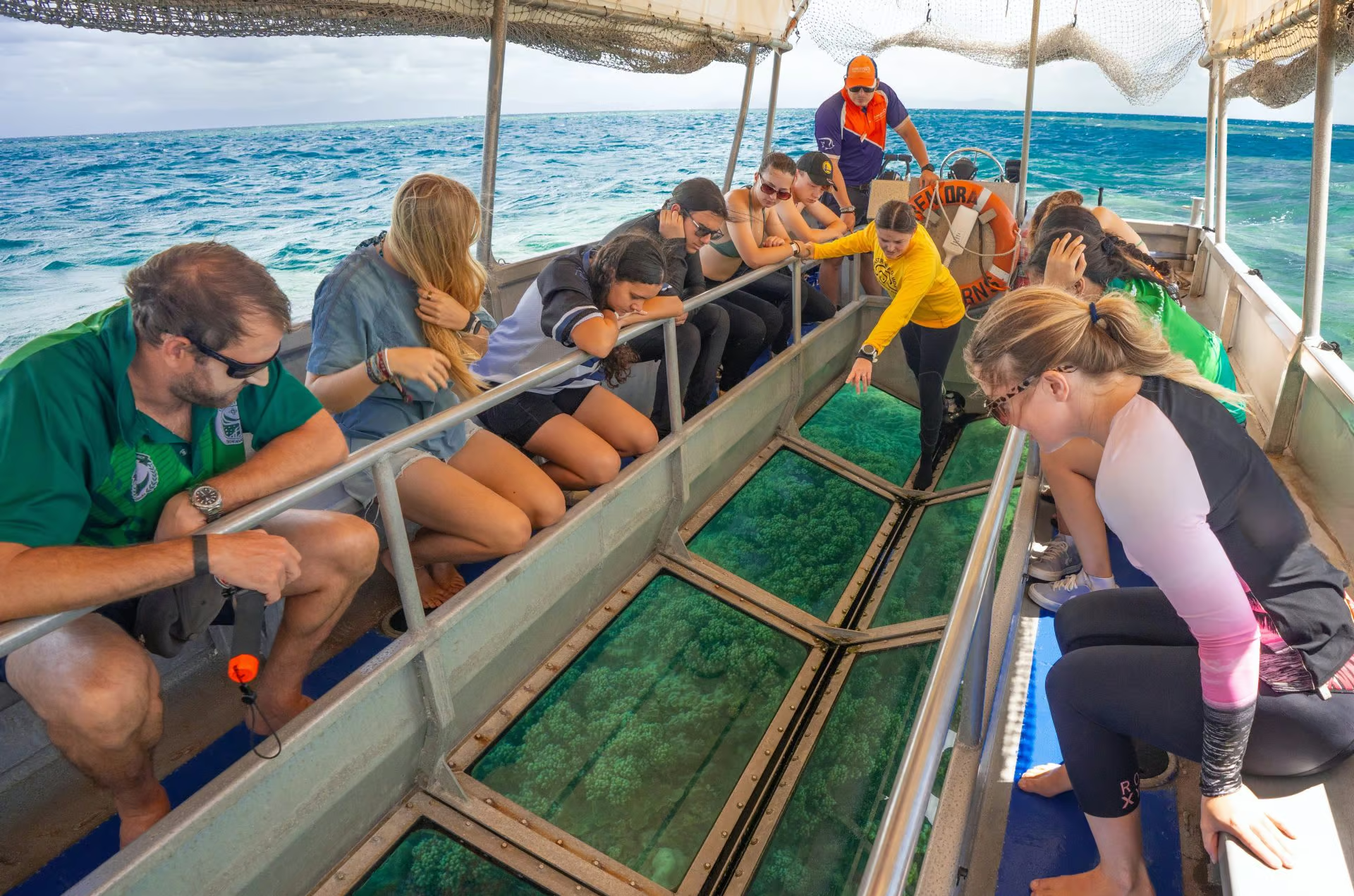
Tourism operates inside the Area under permit. Here is what that looks like on a Sunlover day — and what you can do while you are out there.
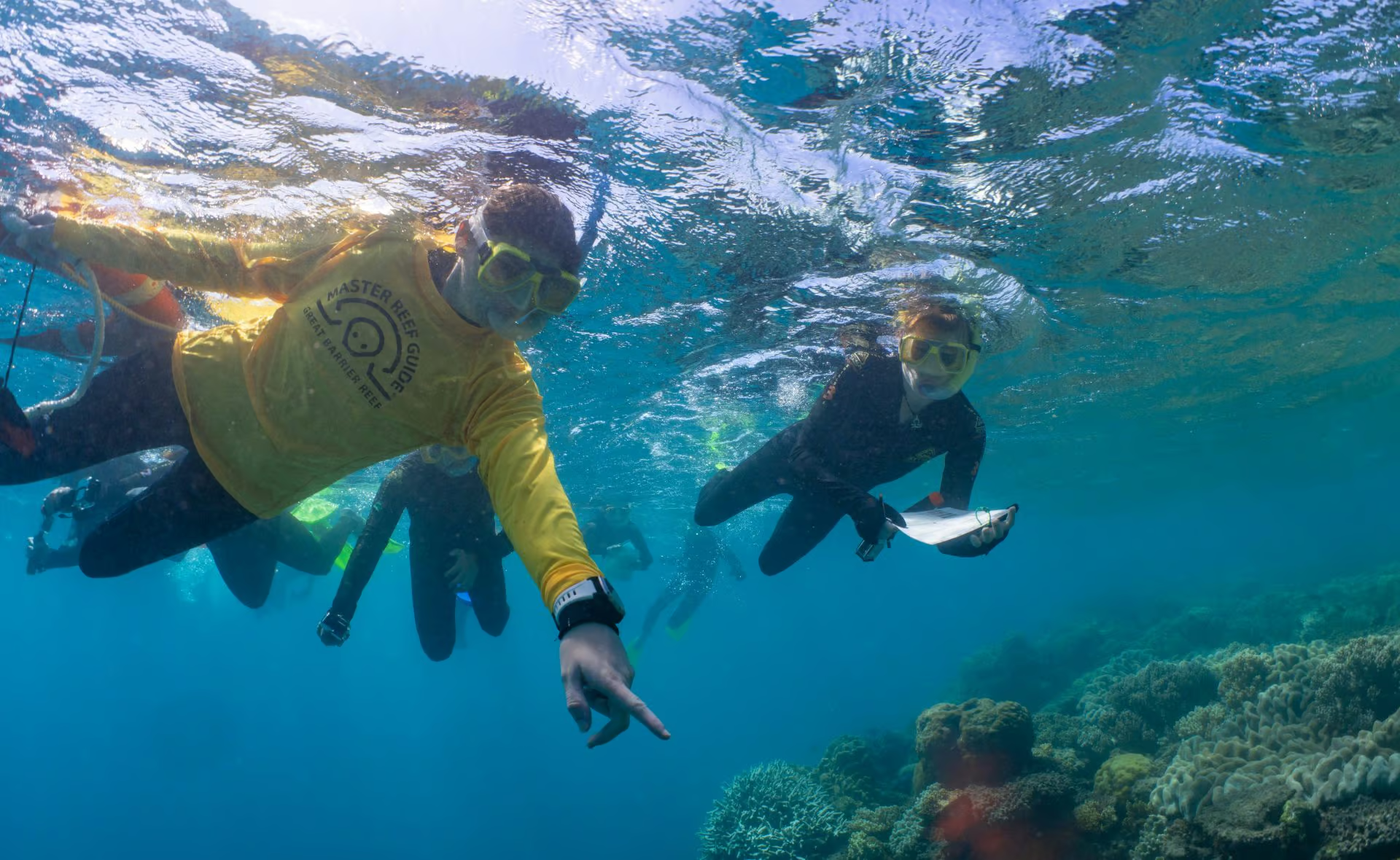
Marine biologists on board
Sunlover carries marine biologists on our vessels, and they are the same people who lead the guided snorkel tours. If you want to know what you are looking at, ask them — that is what they are there for.
A fixed site, not a new one each day
The pontoon is permanently moored at Moore Reef. A fixed mooring means no anchoring damage, and it means the same crew watch the same patch of reef every single day and notice when something changes.
Certified, and audited for it
Sunlover holds Advanced Ecotourism certification, is a Green Travel Leader for ten years of continuous certification, and is in the Ecotourism Australia Hall of Fame for twenty. More on how we operate
You can add to the record while you are here
The Great Barrier Reef Marine Park Authority runs Eye on the Reef, a monitoring network that anyone can contribute to. Visitors log what they see — species, numbers, coral condition, anything unusual — and those sightings feed into the data used to manage the Marine Park.
If you visit the Reef often, it is genuinely worth doing. It builds a picture of reef health over time, and it maps which animals turn up where. Log a sighting with Eye on the Reef
World Heritage, answered plainly
When was the Great Barrier Reef made a World Heritage Area?
1981. It was inscribed on the UNESCO World Heritage List in the first decade of the World Heritage Convention, and it is listed as property N 154.
What does “all four natural criteria” actually mean?
UNESCO assesses natural properties against four criteria — outstanding natural beauty (vii), the record of the earth's history (viii), ongoing ecological and biological processes (ix), and habitat for biodiversity (x). Most listed natural properties satisfy one of them. The Great Barrier Reef satisfies all four, which is rare.
Is the Great Barrier Reef on the List of World Heritage in Danger?
The Great Barrier Reef remains on the World Heritage List and has not been placed on the List of World Heritage in Danger.
It is worth knowing what that list is for. UNESCO describes it as a way to inform the international community of conditions which threaten a property, and to marshal international support for it. It is a mechanism for mobilising help — not a punishment, and not a step toward delisting.
Does World Heritage listing mean the Reef is protected from everything?
No. Listing creates obligations and a reporting cycle; it does not create immunity. Australia reports to the World Heritage Committee on the state of conservation of the property, and the Committee publishes formal decisions in response. Those decisions name climate change as the central threat to the property.
Is Moore Reef inside the World Heritage Area?
Yes. Moore Reef is on the outer Great Barrier Reef about 47 kilometres from Cairns, inside both the Great Barrier Reef World Heritage Area and the Great Barrier Reef Marine Park. Sunlover's pontoon is permanently moored there.
Can I do anything useful for the Reef while I am visiting?
Yes — log what you see. The Marine Park Authority's Eye on the Reef network takes sightings from visitors and operators, and that data is used in managing the Marine Park. Beyond that: follow the crew briefing, don't touch or stand on coral, and use reef-conscious sunscreen.
See it for yourself
A day at Moore Reef puts you inside the World Heritage Area, with marine biologists on board and a pontoon to work from. Snorkel it, dive it, or stay dry and still see it.
Sources
- Inscription year, criteria, area and species figures: UNESCO World Heritage Centre — Great Barrier Reef, property N 154
- How the List of World Heritage in Danger works: UNESCO World Heritage Centre
- Most recent adopted World Heritage Committee decision on the property: 47 COM 7B.2 (2025)
- Reef monitoring network: Eye on the Reef, Great Barrier Reef Marine Park Authority
Sunlover Reef Cruises is not affiliated with UNESCO. This page describes the World Heritage listing of the Great Barrier Reef and links to the primary sources so you can check every figure yourself.