Quick answer: what’s happening to the Great Barrier Reef, and what can you do?
The Great Barrier Reef has experienced six mass coral bleaching events since 2016, driven by rising ocean temperatures linked to climate change. The reef is not dead — it has shown a real capacity to recover between bleaching events — but those events are now happening closer together, giving coral less time to bounce back. Sunlover Reef Cruises operates as a Certified Ecotourism operator with ongoing monitoring, research and conservation partnerships at Moore Reef, and every visitor can help simply by choosing reef-safe habits on the day.
Quick takeaways
- The Great Barrier Reef has had six mass bleaching events since 2016 (2016, 2017, 2020, 2022, 2024 and 2025) — before 1998, mass bleaching had never been recorded on the reef.
- Coral bleaching happens when ocean heat stress causes coral to expel the algae that feeds it and gives it colour — coral can recover if the heat stress passes quickly, but dies if it doesn’t.
- The reef is not dead, but the GBRMPA Outlook Report 2024 names climate change as its greatest threat, and bleaching events are now occurring closer together, shortening recovery windows.
- Sunlover Reef Cruises holds Ecotourism Certification and takes part in reef monitoring, coral nursery hosting, research partnerships and conservation programs at Moore Reef.
- Visitors can help by choosing certified operators, never touching coral, using reef-safe sunscreen, and supporting reef research organisations.
What’s happening: six mass bleaching events since 2016
The Great Barrier Reef has experienced six mass bleaching events since 2016: in 2016, 2017, 2020, 2022, 2024 and 2025. Before 1998, mass bleaching on the Great Barrier Reef had not been recorded. The 2024 event was the largest in recorded history, with 73% of surveyed reefs showing bleaching according to AIMS and GBRMPA aerial surveys.
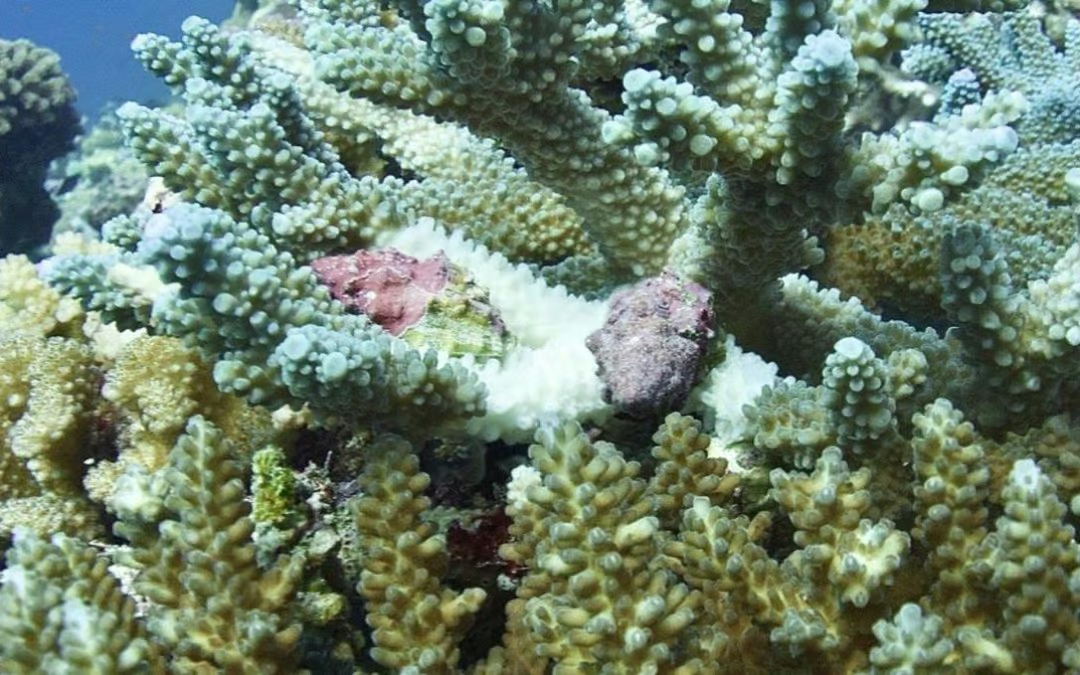
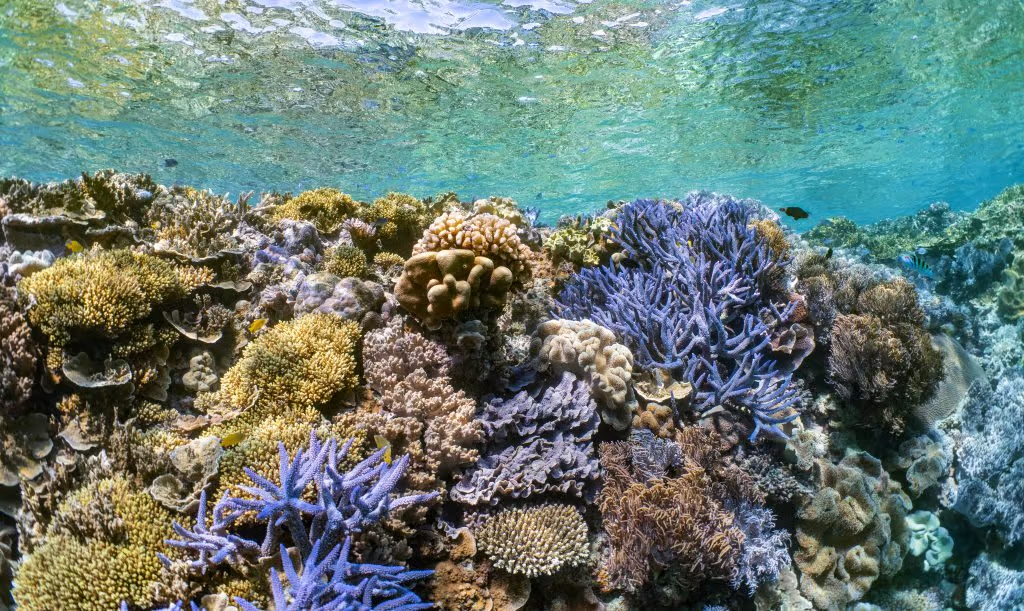
Coral bleaching occurs when ocean temperatures rise above the seasonal maximum, even by just 1 to 2 degrees Celsius, causing corals to expel the symbiotic algae living in their tissue. This algae provides corals with up to 90% of their nutrition and gives them their colour — without it, coral turns white and begins to starve. If heat stress eases quickly, coral can recover. If it doesn’t, the coral dies.
Is the Great Barrier Reef dying?
The Great Barrier Reef is not dead, but it is under serious and increasing pressure. The GBRMPA Outlook Report 2024 states that climate change remains the greatest threat to the reef. The reef has shown a real capacity for recovery between bleaching events — but bleaching events are now occurring almost annually, shortening the recovery window each time. AIMS 2024/25 monitoring data shows the largest annual decline in hard coral cover in two of three reef regions since monitoring began 39 years ago.
What Sunlover Reef Cruises is doing
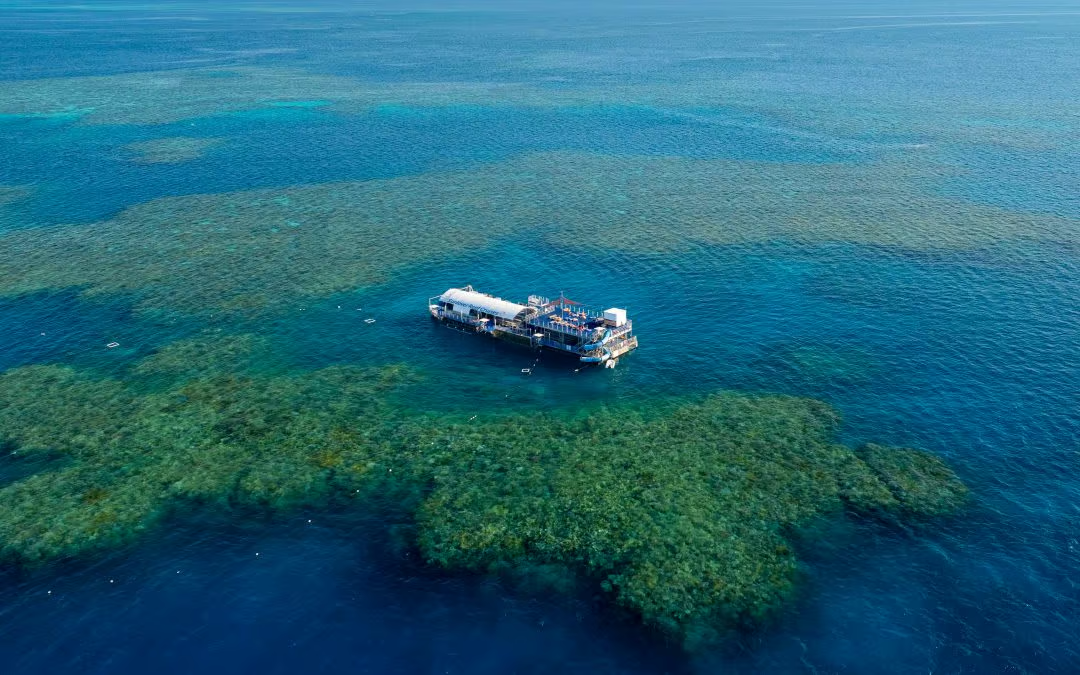
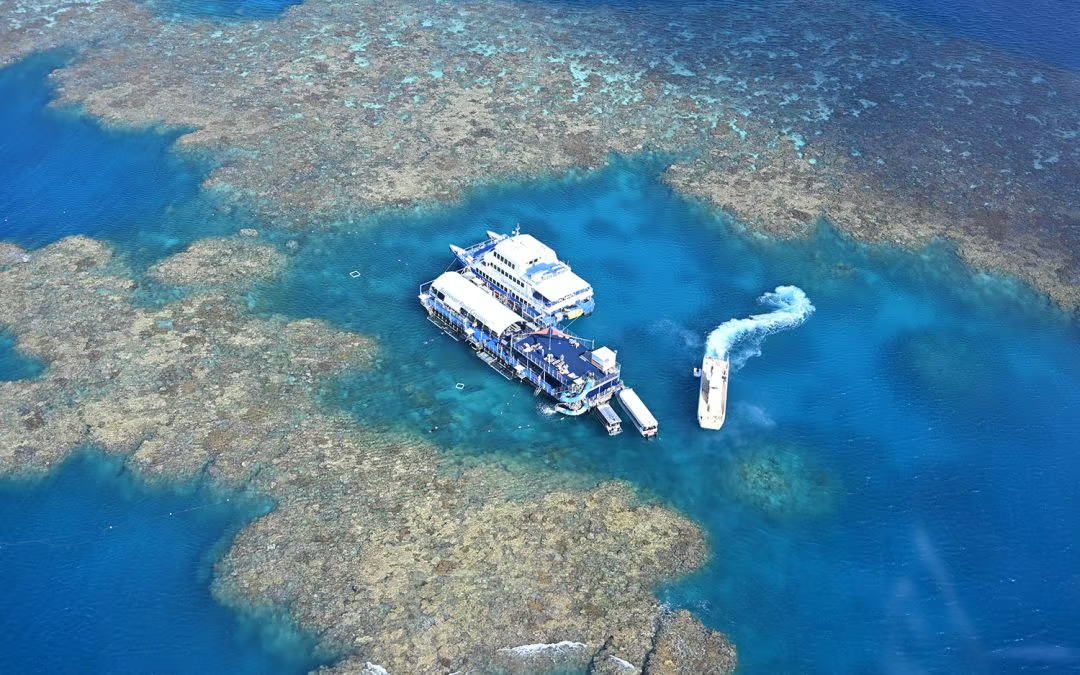
Sunlover Reef Cruises holds Ecotourism Certification and is a 2025 ECO Certification Hall of Fame inductee. Our conservation activities include removing crown-of-thorns starfish and Drupella snails when found in damaging numbers during regular reef surveys, hosting a Resilient Reefs Foundation coral nursery at Moore Reef, hosting AIMS and JCU research, facilitating turtle releases with the Cairns Turtle Rehabilitation Centre, participating in GBRMPA’s Eye on the Reef citizen science program, foundational membership of the Tourism Reef Protection Initiative, and carbon emissions tracking reported to Ecotourism Australia.
Our Green and Gold Promise
- Preserve Place: Eye on the Reef monitoring, foundational TRPI membership, and pest species removal during regular surveys protect Moore Reef for the future.
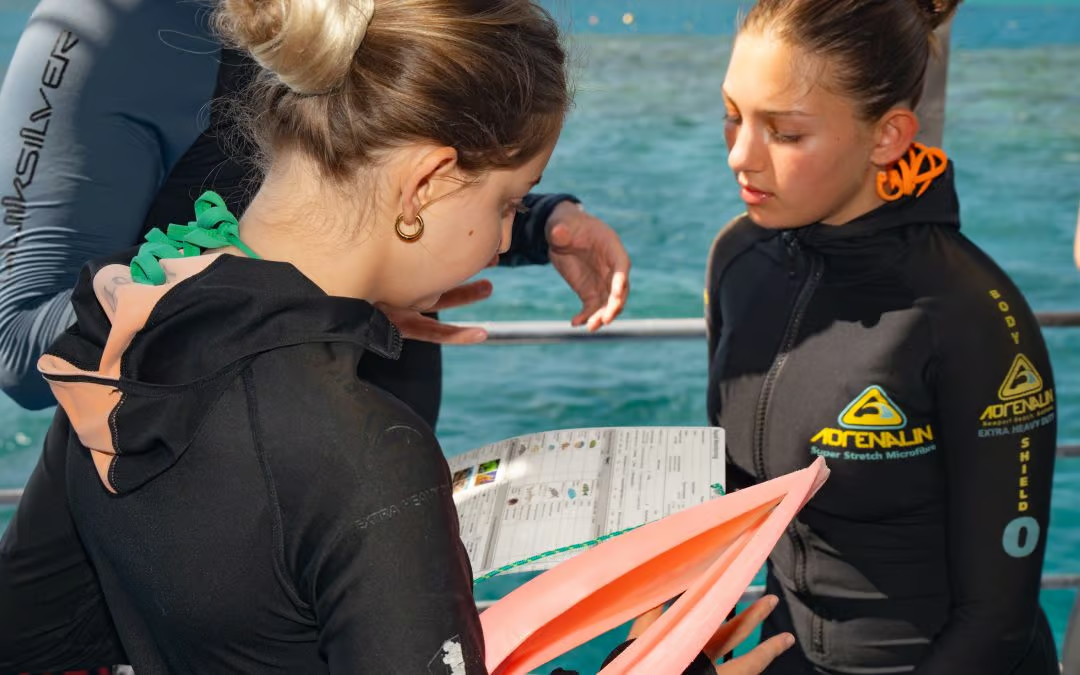
- Respect Wildlife: turtle rehabilitation with the Cairns Turtle Rehabilitation Centre, and reef etiquette briefings on every tour.
- Take Care: carbon emissions tracking and Ecotourism Certification, independently audited every year for more than two decades.
- Share Culture: we acknowledge the Traditional Owners of the Sea Country we operate on, and recognise their enduring connection to the reef.
- Celebrate Community: Australian owned and operated since 1991, supporting local crew, research partners, and reef science.
Sunlover has committed to the Green and Gold Promise, Tourism Australia’s national pledge for responsible travel. After more than 20 years of Ecotourism Certification, the commitment was a natural fit. The Promise is built on five principles, and our daily reef operations already live each one. Learn more at Tourism Australia’s Green is Our Gold.
What you can do to help the Great Barrier Reef
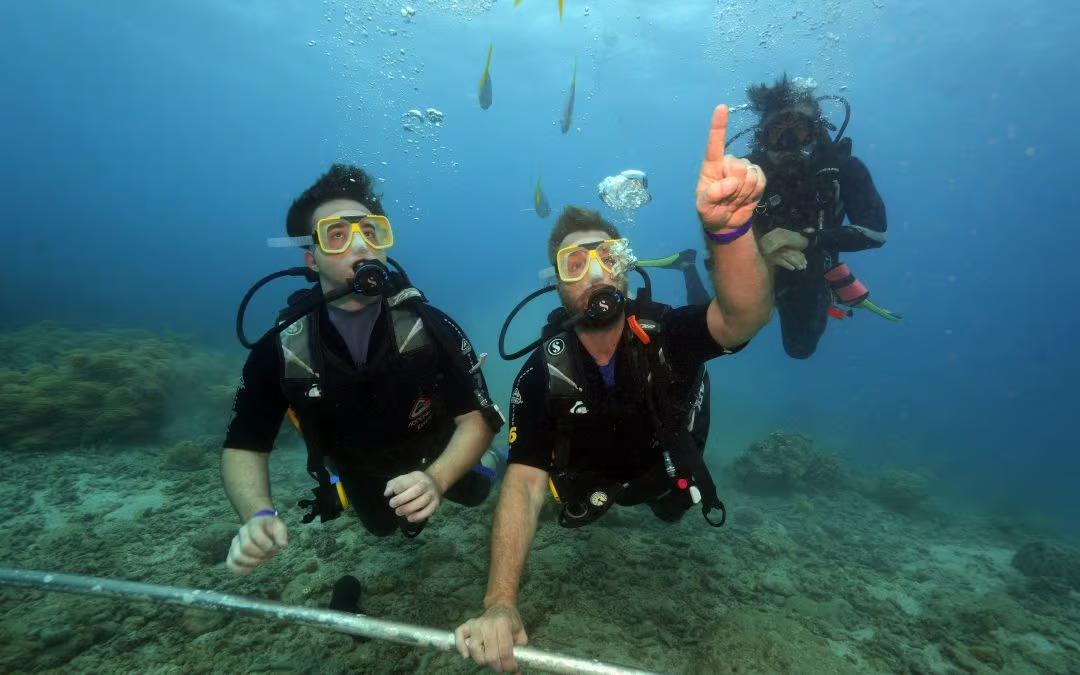
Visitors can help by choosing Ecotourism Certified operators like Sunlover Reef Cruises, never touching coral, using reef-safe mineral-based sunscreen, bringing a reusable water bottle, not removing anything from the reef, and flying non-stop to Cairns where possible. At home, switch to renewable energy, reduce meat consumption, and support reef conservation organisations like AIMS, the Great Barrier Reef Foundation, or the Resilient Reefs Foundation.
Frequently asked questions
How many times has the Great Barrier Reef bleached?
What is coral bleaching?
Is the Great Barrier Reef dying?
What can tourists do to help the Great Barrier Reef?
What is Sunlover Reef Cruises doing for reef conservation?
See the reef, your way
Experience the Great Barrier Reef with a Certified Ecotourism operator committed to protecting it for the future.
Sources: Australian Institute of Marine Science, Great Barrier Reef Marine Park Authority, Ecotourism Australia, Resilient Reefs Foundation.