Caring for the Reef
Coral is an animal, and plenty of things on the reef eat it. Most of them have been doing it for millions of years without causing any harm at all. Two of them, in the wrong numbers, can strip a reef. Here is the difference — and what our team does about it every week at Moore Reef.
A coral is not a rock and not a plant. It is a colony of small animals, each one a polyp sitting in a limestone cup it built itself, with microscopic algae living inside its tissue and feeding it sugars. That makes coral food. Anything that eats it is a corallivore.
Most corallivores are simply part of a working reef. A few butterflyfish picking polyps off a plate of Acropora is no more a threat than a possum in a gum tree. The problem is never that these animals exist. The problem is numbers — and on the Great Barrier Reef, two species are capable of reaching numbers that outpace the coral’s ability to grow back.
The short version
- A corallivore is any animal that eats coral. Most are native, normal and harmless at natural densities.
- Two matter for reef management here: the crown-of-thorns starfish and the Drupella snail. Both are native. Both become destructive in outbreak numbers.
- Parrotfish are the most misunderstood animal on the reef. They bite coral rock, but they are grazing algae, not hunting polyps — and they are a net positive for coral.
- Our Reef Research Team surveys Moore Reef every week and carries out targeted control on both pest species when numbers call for it.
- Moore Reef is one of the most closely watched sites on the reef, simply because we are there every single day.
Crown-of-thorns starfish: the one that makes the news
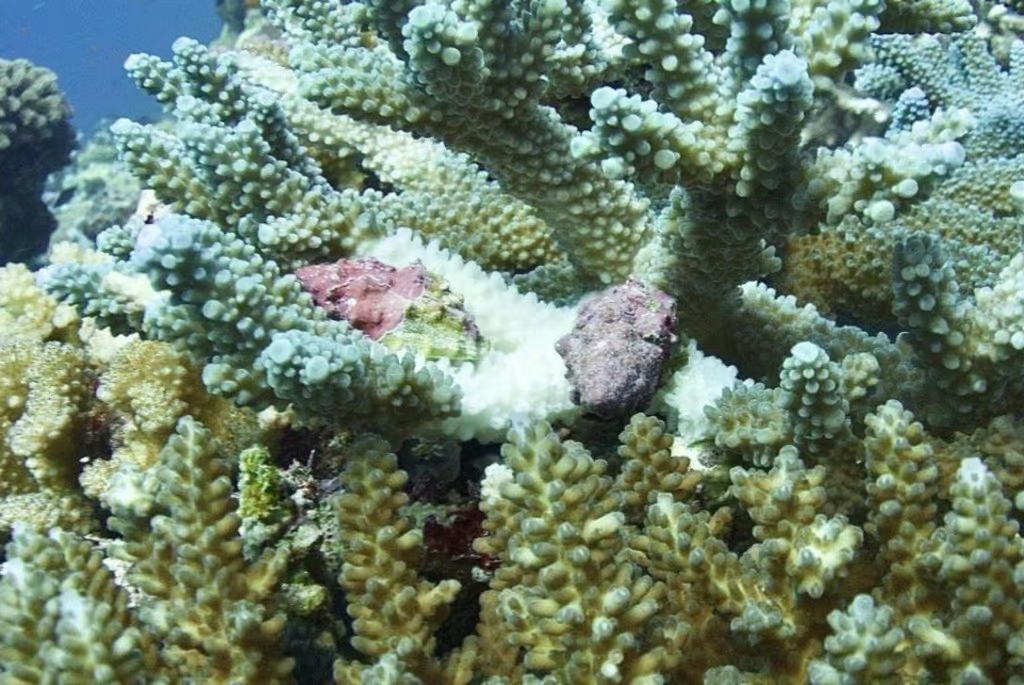
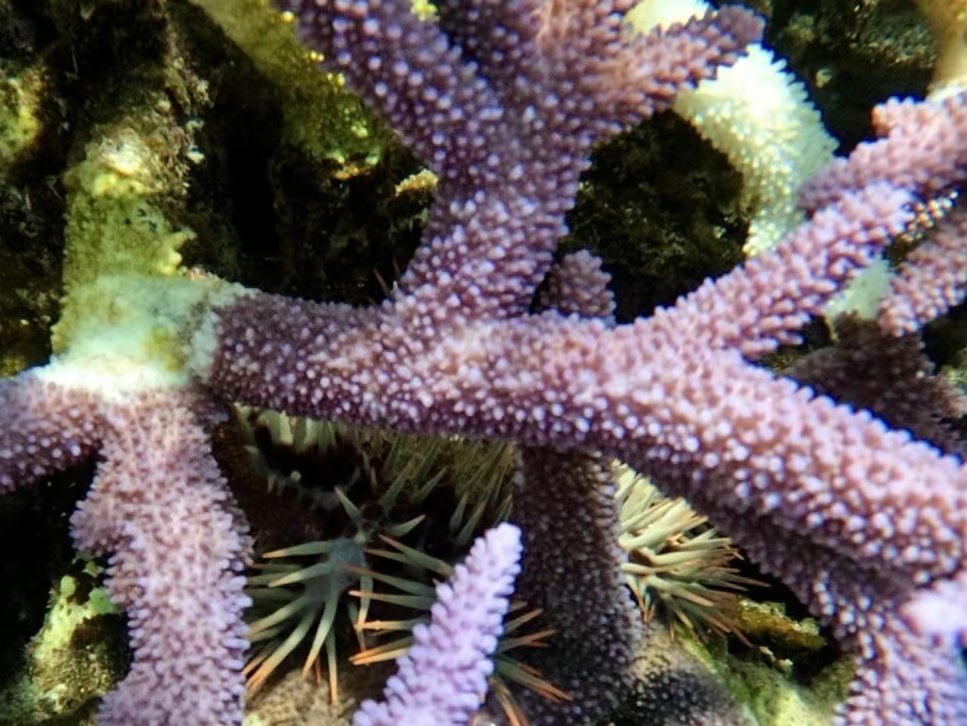
The crown-of-thorns starfish — CoTS for short — is a large, many-armed, venomous-spined starfish that eats coral by pushing its stomach out through its mouth, spreading it across the coral surface and digesting the tissue where it sits. It leaves behind clean white skeleton, which is why a feeding scar is so easy to recognise once you know what you are looking at.
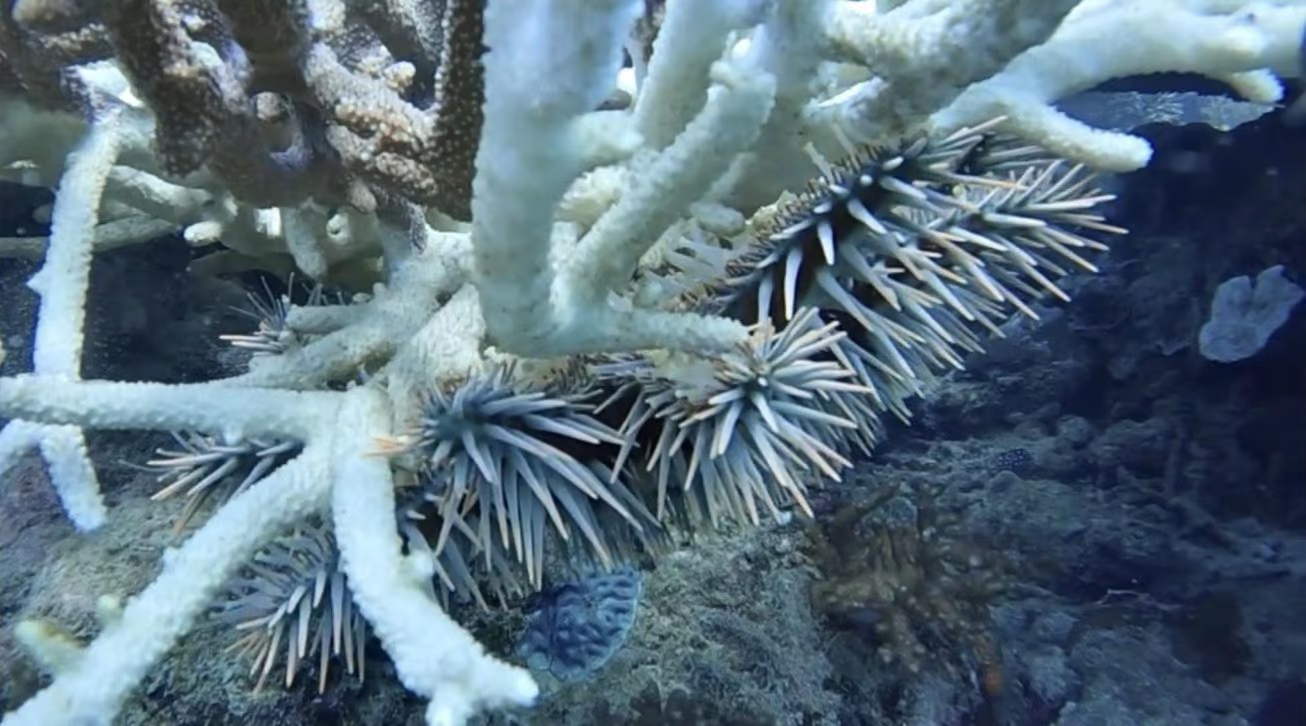
It is native to the Great Barrier Reef. It belongs here. A handful of them on a reef is completely normal and has been for as long as there has been reef.
What is not normal is an outbreak. Under the right conditions, crown-of-thorns populations can explode, and when that happens they eat coral faster than the reef can replace it. They also prefer the fast-growing plating and branching corals — the same ones that build reef structure quickest and that most visitors recognise as a healthy coral garden. An outbreak can take a vibrant site down to rubble in a couple of seasons.
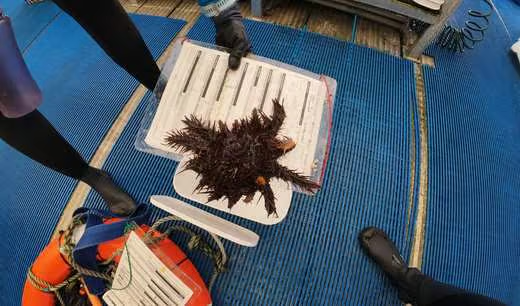
This is the single most manageable pressure on the reef. Coral bleaching is driven by ocean temperature, and no dive team can cool the water. Cyclones cannot be prevented. Crown-of-thorns numbers, on the other hand, can be brought down by trained people in the water — which is exactly why so much effort goes into it.
Drupella: the one that doesn’t
Drupella are small predatory sea snails, usually a couple of centimetres across, often encrusted enough to be nearly invisible against the coral. They feed by rasping coral tissue away with a file-like tongue, and they do it in clusters — dozens of them packed into the base or the shaded underside of a branching colony, working outwards.
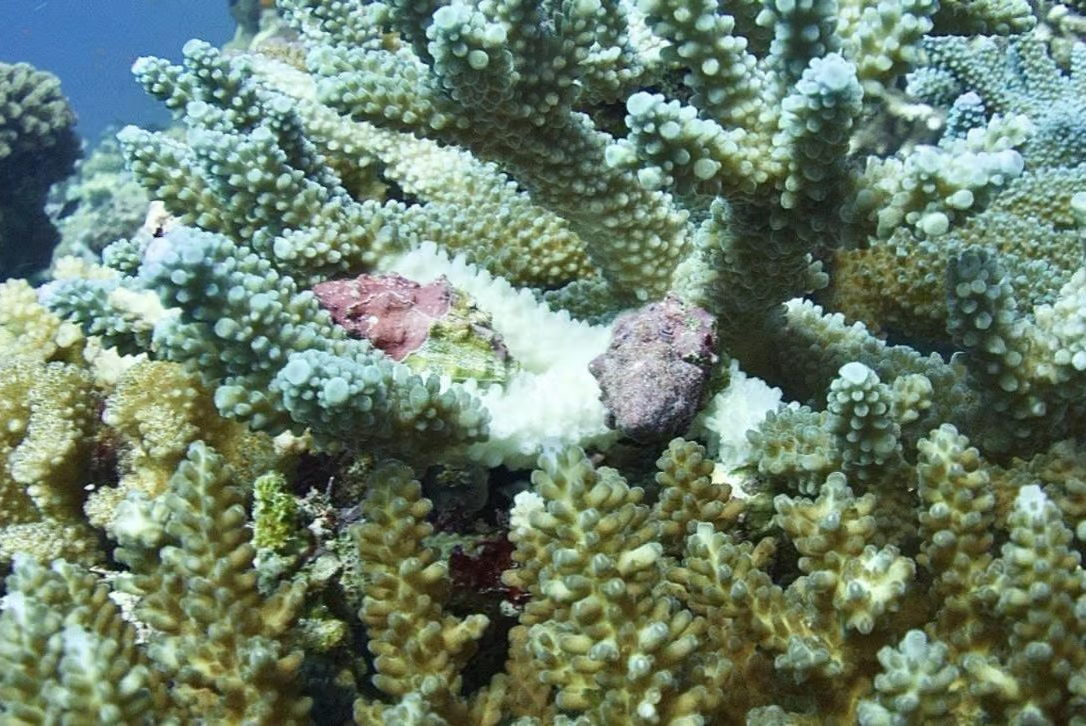
Because they are small, slow and easy to miss, Drupella get a fraction of the attention crown-of-thorns receive. The damage pattern is the same: white feeding scars, dead branches, and a colony that loses ground faster than it can grow.
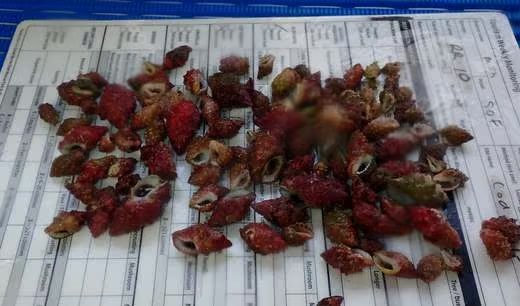
Finding them is genuinely a skill. Our marine biologists know which colonies to check and what an early infestation looks like before it becomes obvious, which is the difference between removing a handful of snails and losing a colony.
The corallivores that are supposed to be there
Plenty of reef animals eat coral without anyone worrying about it, and several are among the most photographed creatures out there.
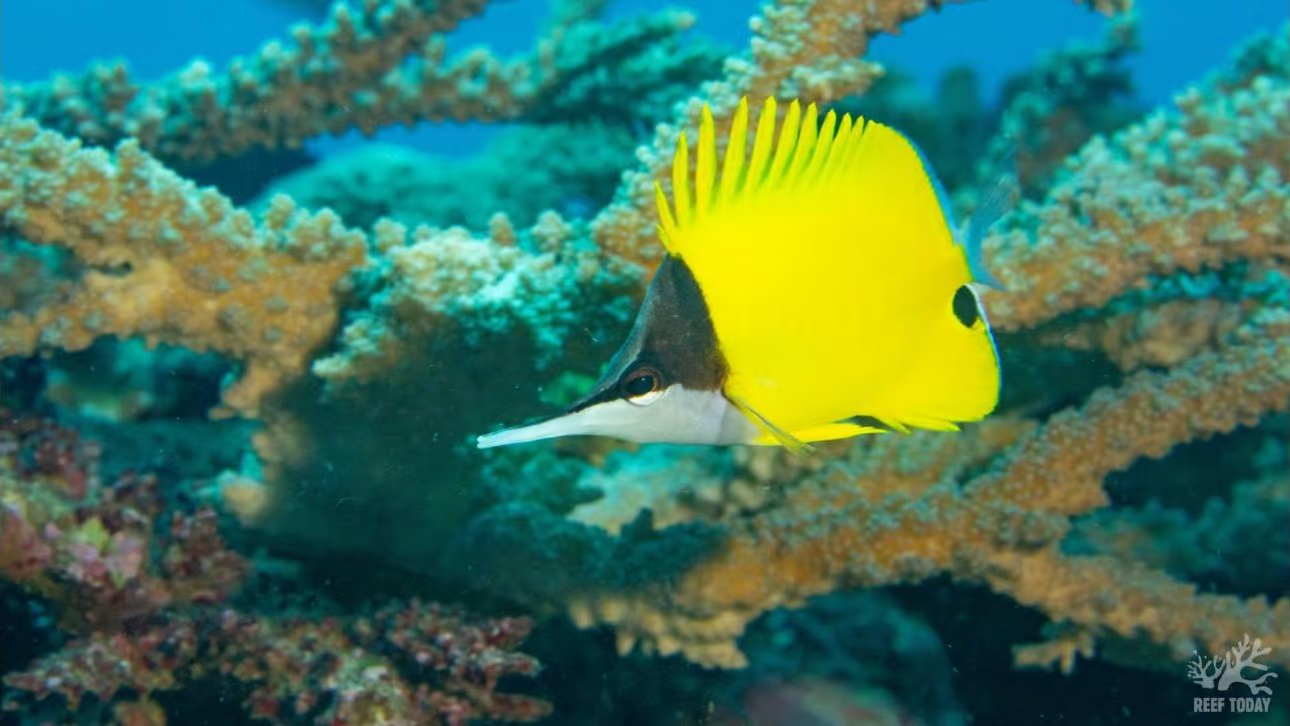
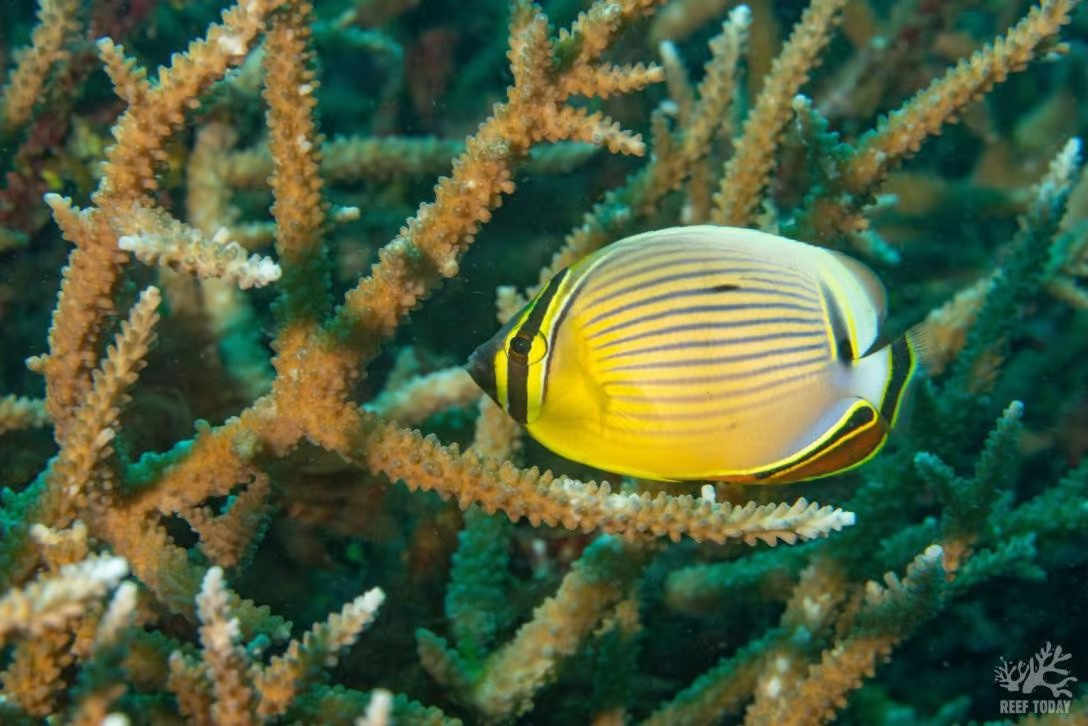
Butterflyfish
Chaetodon, Forcipiger and relatives
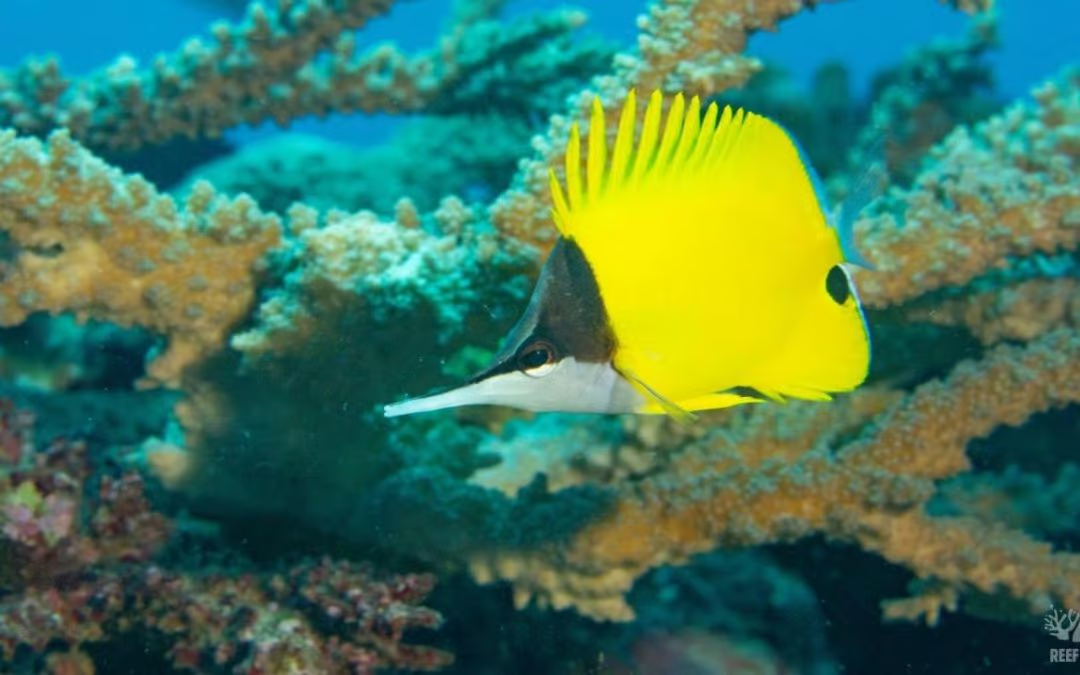
The true specialists. Many eat almost nothing but coral polyps, picking them out one at a time, and the longnose butterflyfish uses its snout to reach into crevices other fish cannot. They are so tied to healthy coral that their numbers are used as an indicator of reef condition.
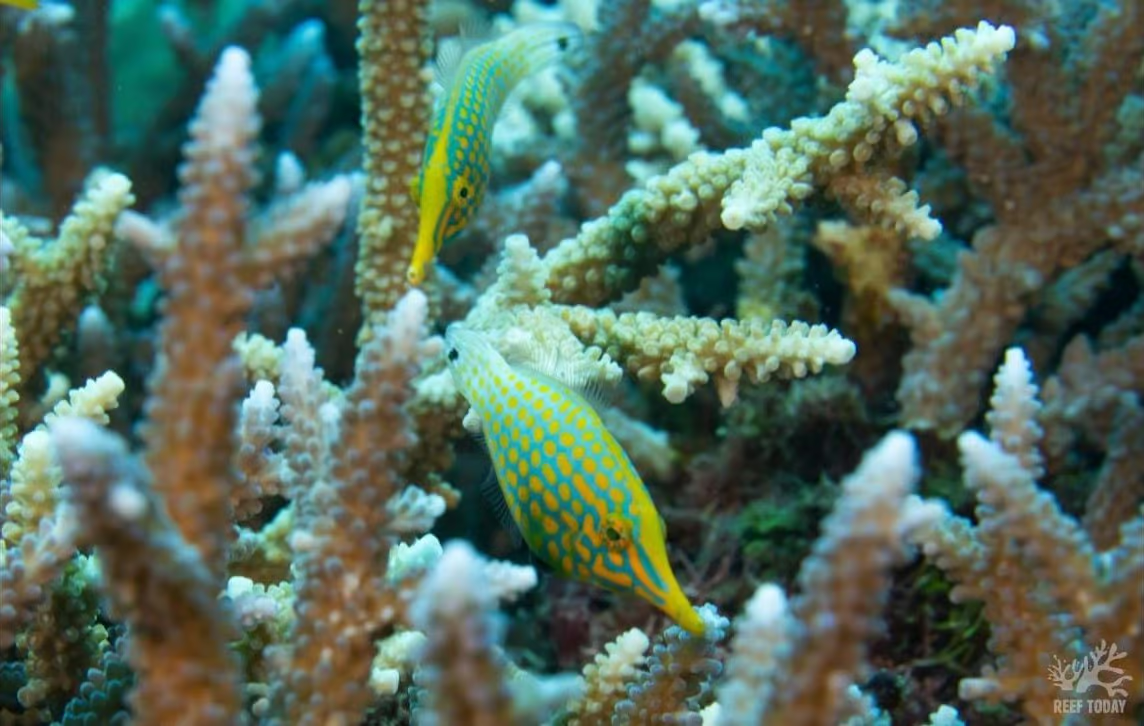
Filefish
Monacanthidae
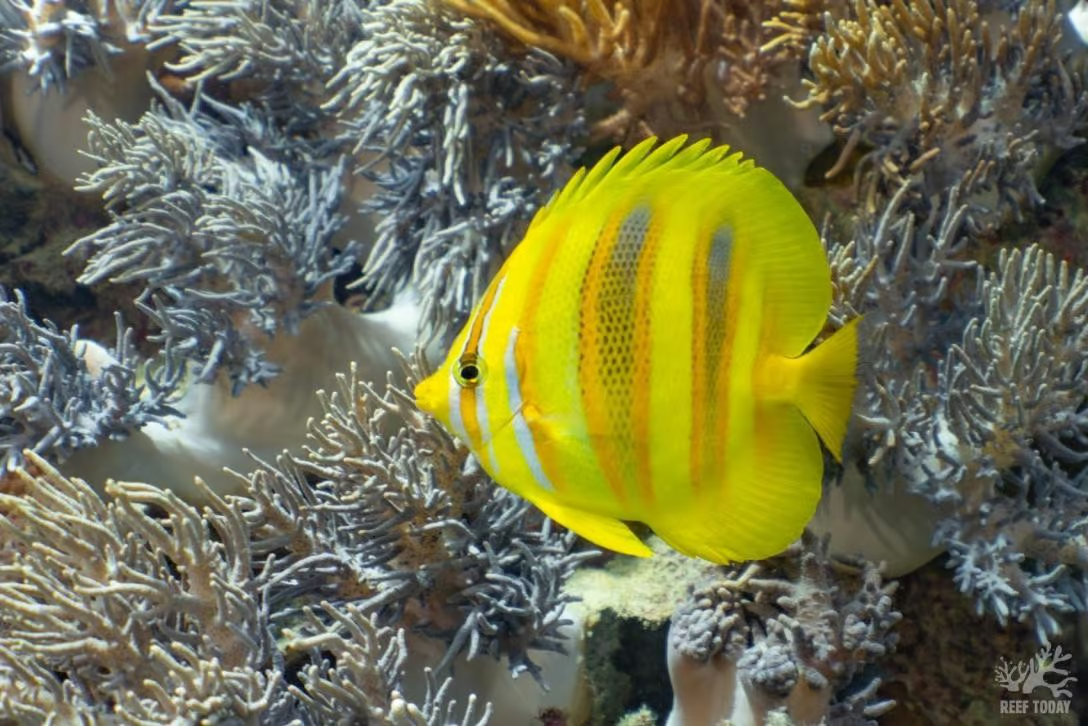
The orange-spotted filefish is the one to look for — a small, vivid blue-and-orange fish that eats almost nothing but Acropora and often spends its whole life among the branches of a single colony. Utterly dependent on coral, and completely harmless to it.
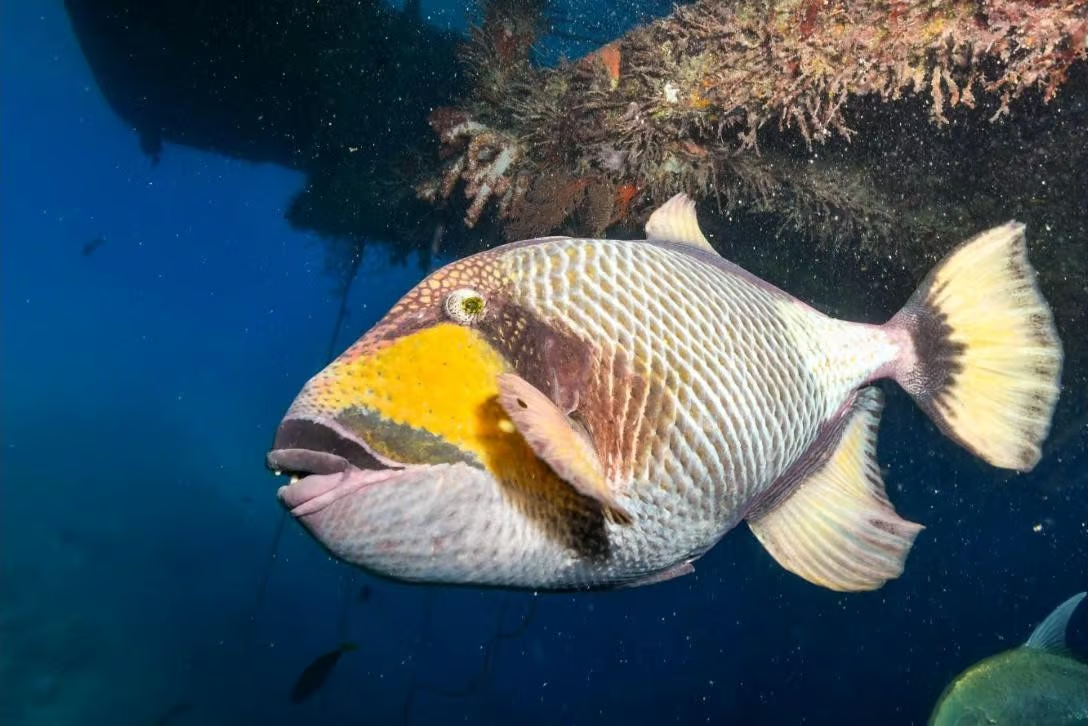
Triggerfish and pufferfish
Balistidae and Tetraodontidae
Heavy-jawed fish that crunch through hard-shelled prey and take the occasional bite of coral along with it. Useful animals — several of them are among the few things that will eat a crown-of-thorns starfish.
Snails, sea slugs and worms
Gastropods, nudibranchs and polychaetes
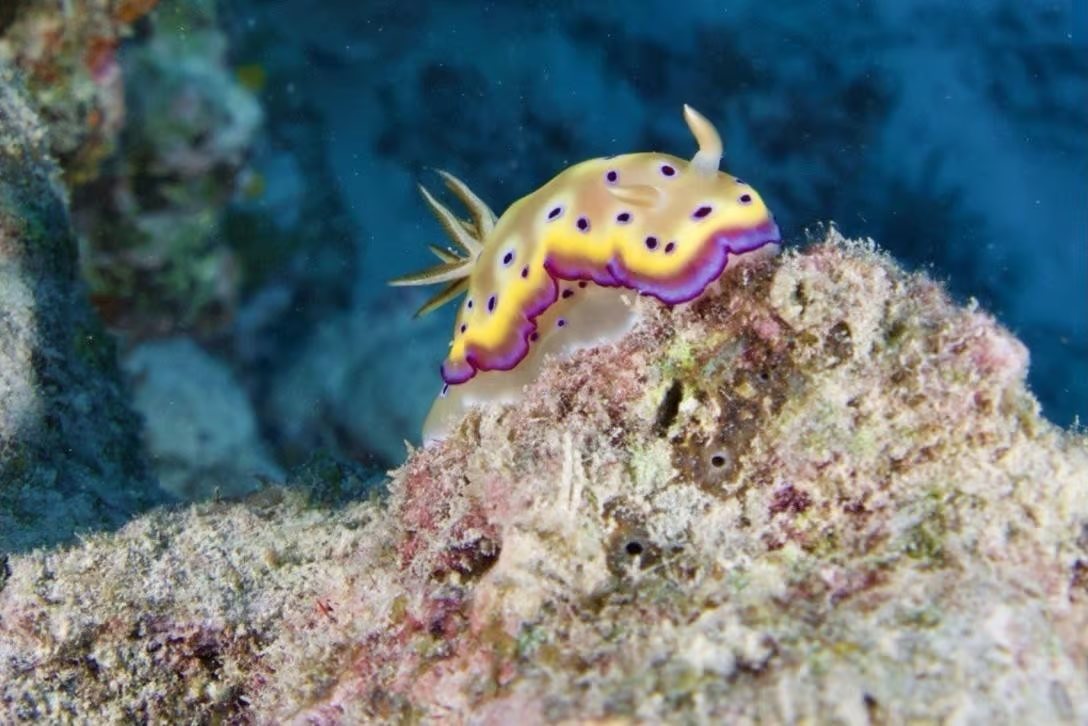
A supporting cast that feeds on coral tissue or mucus, mostly too small or too well hidden for a snorkeller to notice. Most take so little that the coral barely registers it. The exception is one snail, Drupella, which is why it has its own section above.
Butterflyfish: the fish that tells you how the reef is going
If you only learn one reef fish before your day with us, make it this one. Butterflyfish are small, bright, usually in pairs, and most of the 130 or so species worldwide live on coral reefs. Dozens of them live on the Great Barrier Reef, and many eat nothing but coral.
Look at the mouth. On most butterflyfish it is a small, forward-pointing snout with fine, comb-like teeth, and in each species it has evolved to suit a particular job: picking individual polyps off a plate coral, reaching into the gaps between staghorn branches, or in the longnose butterflyfish, probing crevices no other fish can get into. One family of fish, dozens of mouths, each one shaped by the kind of coral it harvests. That is why a reef with many kinds of coral tends to carry many kinds of butterflyfish.
It is also why scientists count them. A fish that eats only living coral cannot stay on a reef that has lost its coral, so butterflyfish numbers and variety respond quickly to what is happening to the colonies around them. Reef monitoring programs use counts of coral-dependent fish for exactly this reason, and butterflyfish are the textbook example. Fewer species, fewer pairs, or a shift towards the generalists that will eat other things, all point to a reef under pressure before the coral cover numbers catch up.
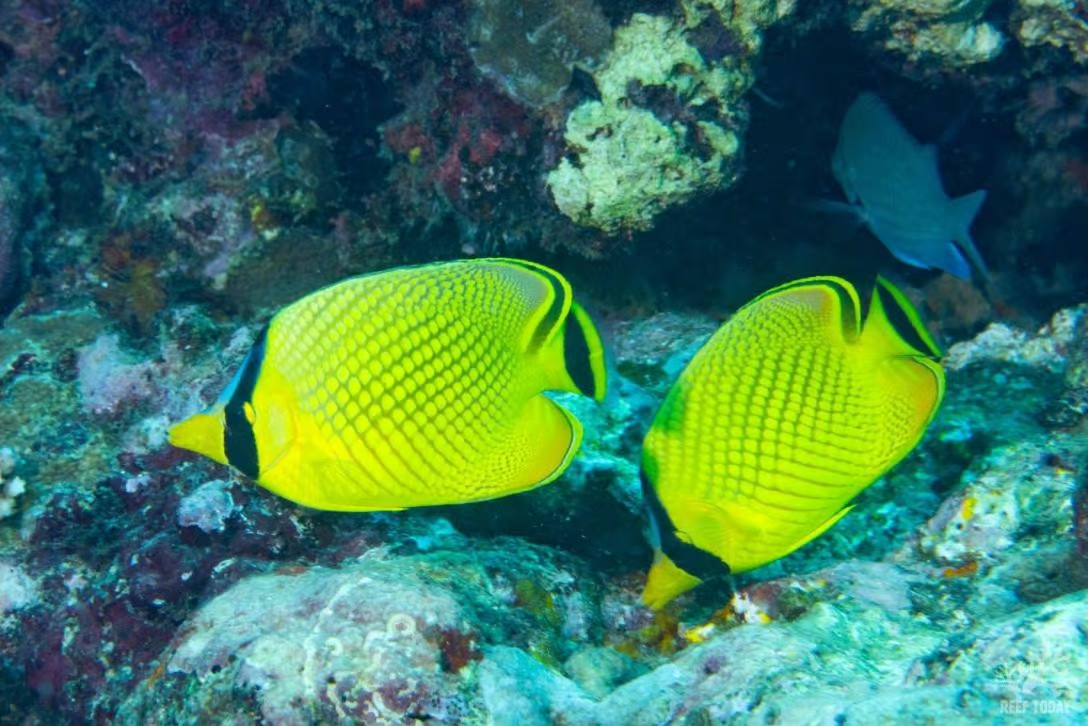
On the day. Ask our marine biologists to point out how many different butterflyfish you can find around the pontoon. Variety is the thing to look for, not just numbers. Read the full story: Butterflyfish, the fish that tells you how the reef is going.
Parrotfish: the accidental corallivore
If you have ever heard a loud crunching while snorkelling, that was a parrotfish. They have fused teeth that form a beak, and they use it to bite into the reef.
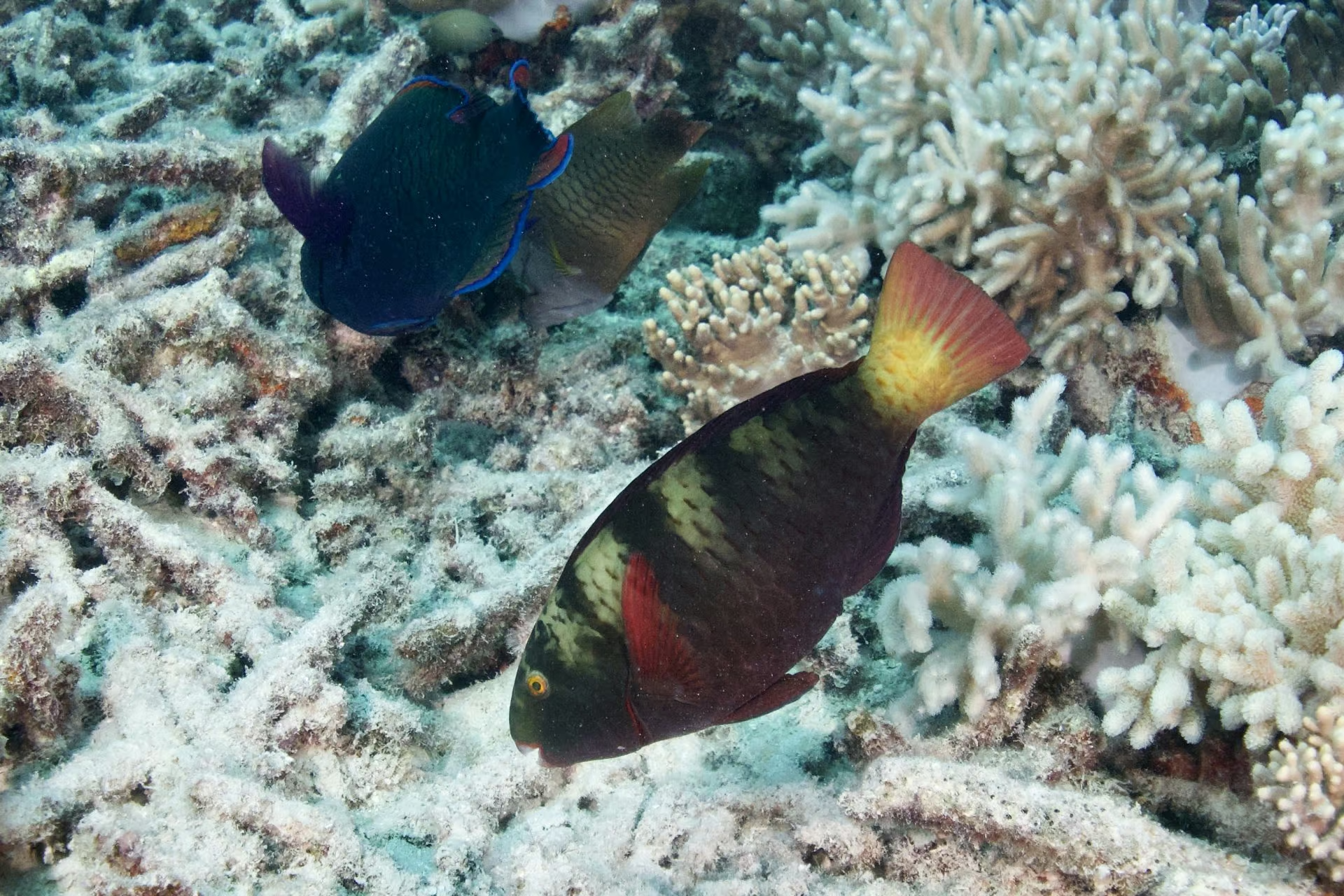
People see that and reasonably conclude parrotfish are eating coral. What they are actually after in most cases is algae — the turf that grows over dead coral rock, and the microscopic algae living within the limestone itself. The rock comes along with the meal. It gets ground up in a set of throat plates, the algae digested, and the rest passed out as fine white sand. A meaningful share of the sand on a coral cay was once a parrotfish’s dinner.
Some parrotfish do take bites of living coral, and the leading explanation is the same one: they are after the symbiotic algae inside the tissue and the ones boring through the skeleton, rather than the polyps themselves. Either way, the accounting comes out strongly in coral’s favour. Left unchecked, algae will overgrow and smother coral, and prevent new coral larvae from settling. Parrotfish keep that in check every day.
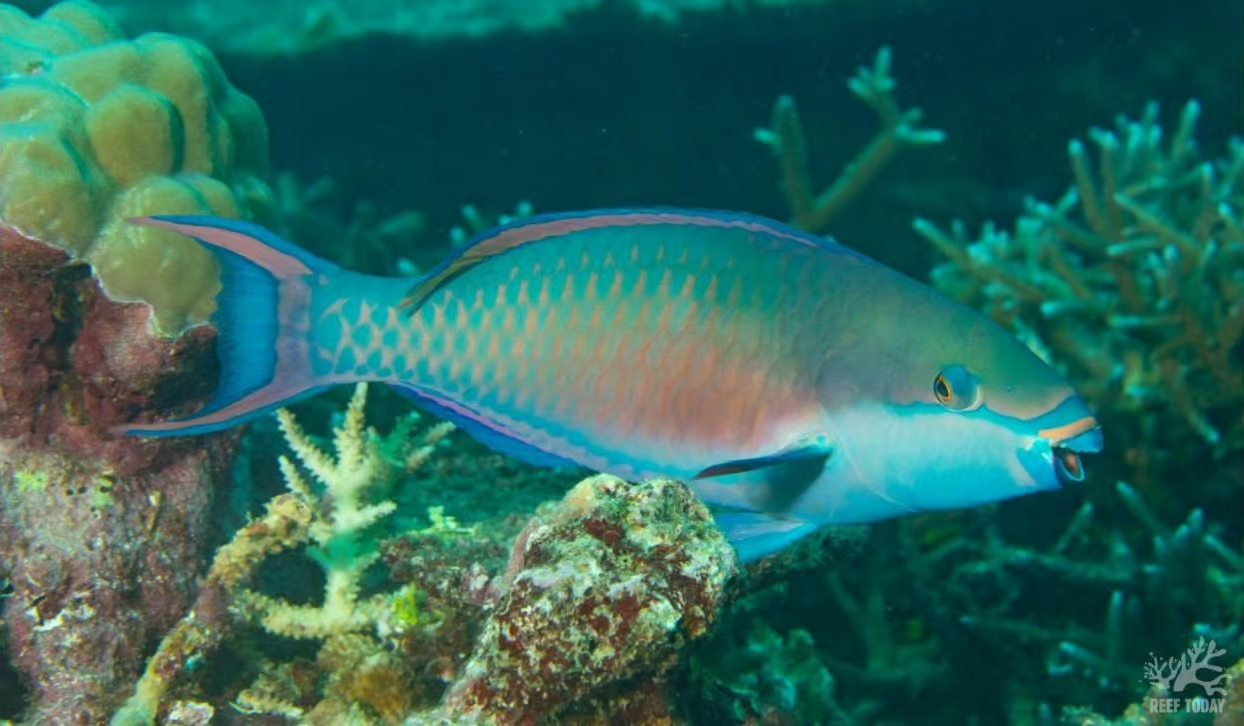
Parrotfish are not a reef problem. They are part of the reason a reef stays a reef.
Worth knowing. Grazing fish like parrotfish are one of the main reasons a damaged reef can recover at all. Keeping algae down gives coral larvae bare rock to settle on. This is part of why fishing rules and green zones in the Marine Park matter as much as they do.
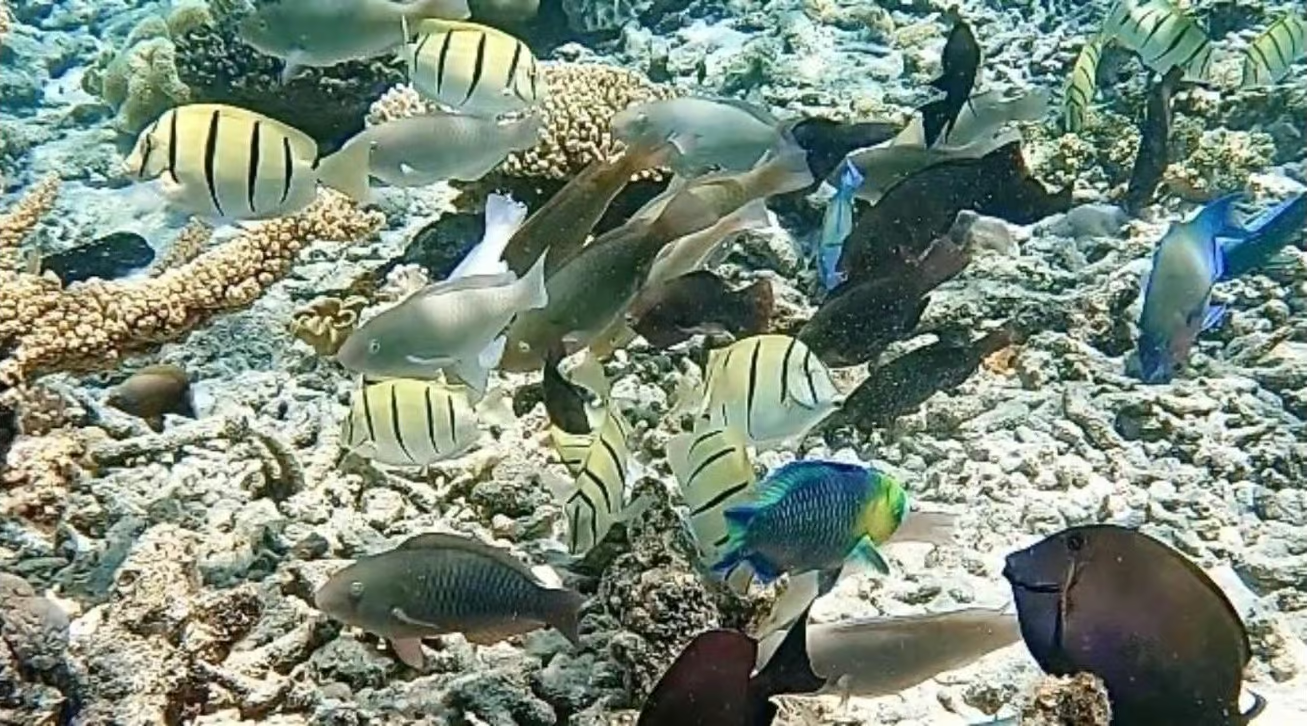
How you tell the difference in the water
| What you see | What is going on |
|---|---|
| Clean white patch spreading across a plate coral | Feeding scar, most likely crown-of-thorns. The starfish is often still underneath or nearby. |
| White at the base of branches, creeping up | Drupella. Look into the shaded inner parts of the colony for clusters of small snails. |
| Small bite marks and white scrapes on hard rock | Parrotfish grazing. Normal, healthy, and good for the reef. |
| Whole colonies pale or bone-white, but tissue still on them | Not predation at all — this is bleaching, a heat-stress response. Nothing has eaten it. |
That last row is the one worth remembering. Predation and bleaching look similar from a distance and have nothing to do with each other. Coral that has been eaten has lost its tissue. Coral that has bleached still has its tissue and can recover if the water cools.
What our team does about it, every week
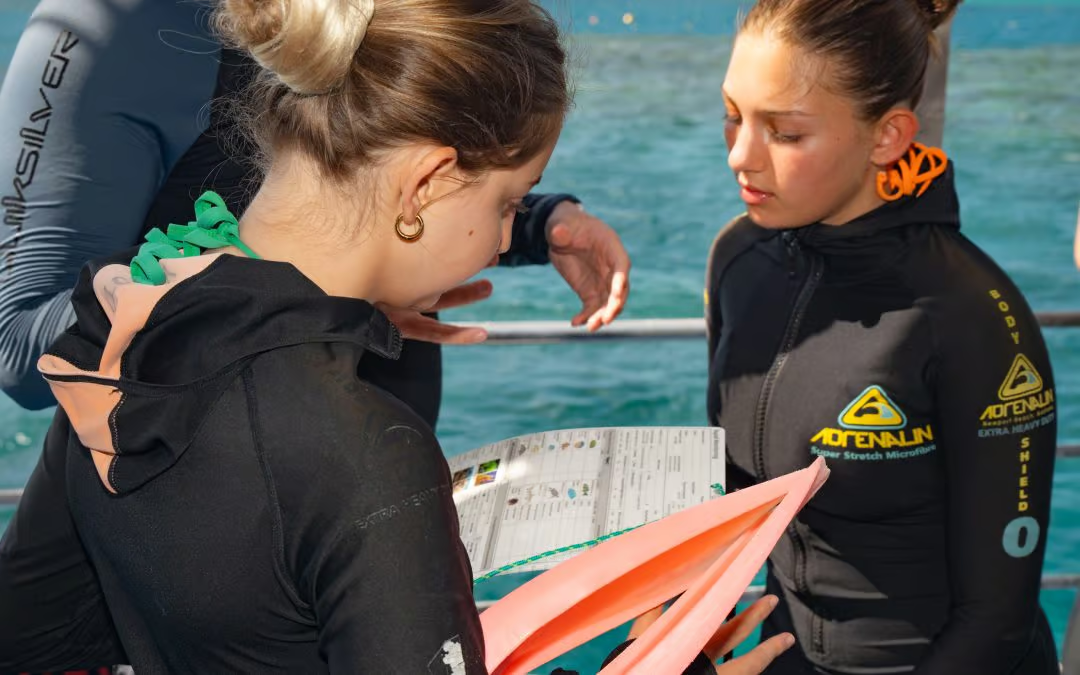
Sunlover has a dedicated Reef Research Team — marine biologists delivering reef monitoring and stewardship through the Tourism Reef Protection Initiative. They are not on the boat as an add-on. Reef work is their job.
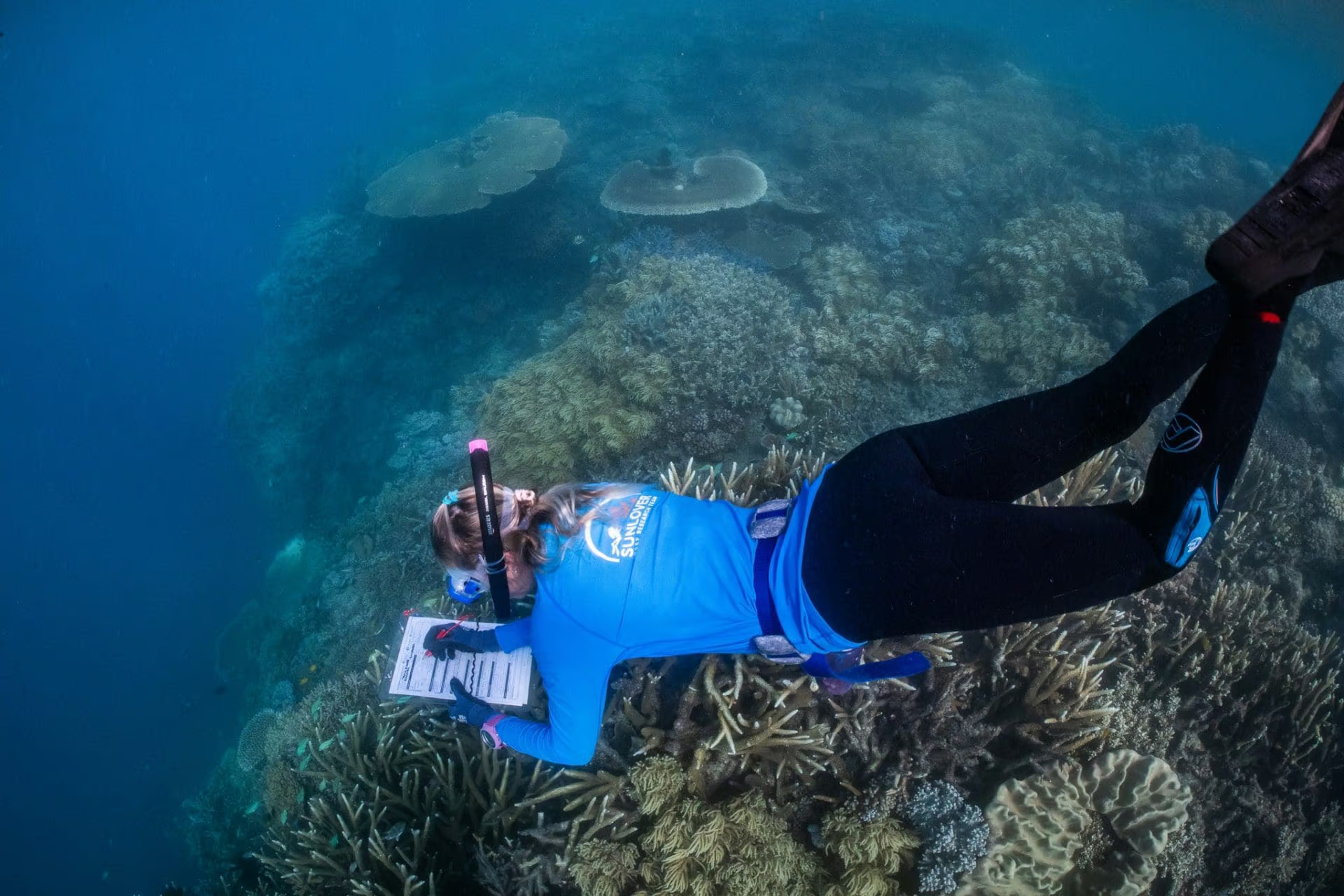
Weekly surveys
Every week they run structured surveys at our local stewardship sites, Moore Reef among them, recording coral condition, key species sightings and early signs of pressure, using established survey methods.
Targeted control
When the numbers call for it, the team carries out targeted in-water control work on recognised pest species — crown-of-thorns starfish and Drupella snails. This is selective, hands-on work on specific colonies, not broad clearing.
Data that goes somewhere
Survey results go to the Reef Authority and are compiled alongside data from other operators, researchers and monitoring partners, so reef managers can see what is happening across the Marine Park and respond earlier. You can read more about how the weekly surveys work.
Why Moore Reef matters more than most sites
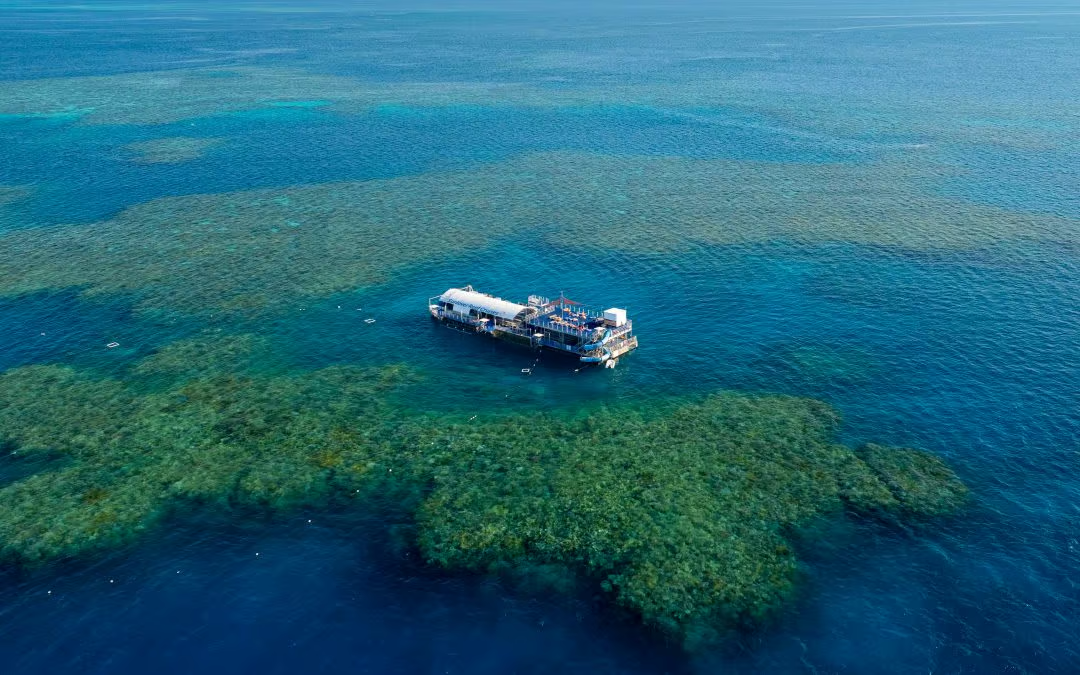
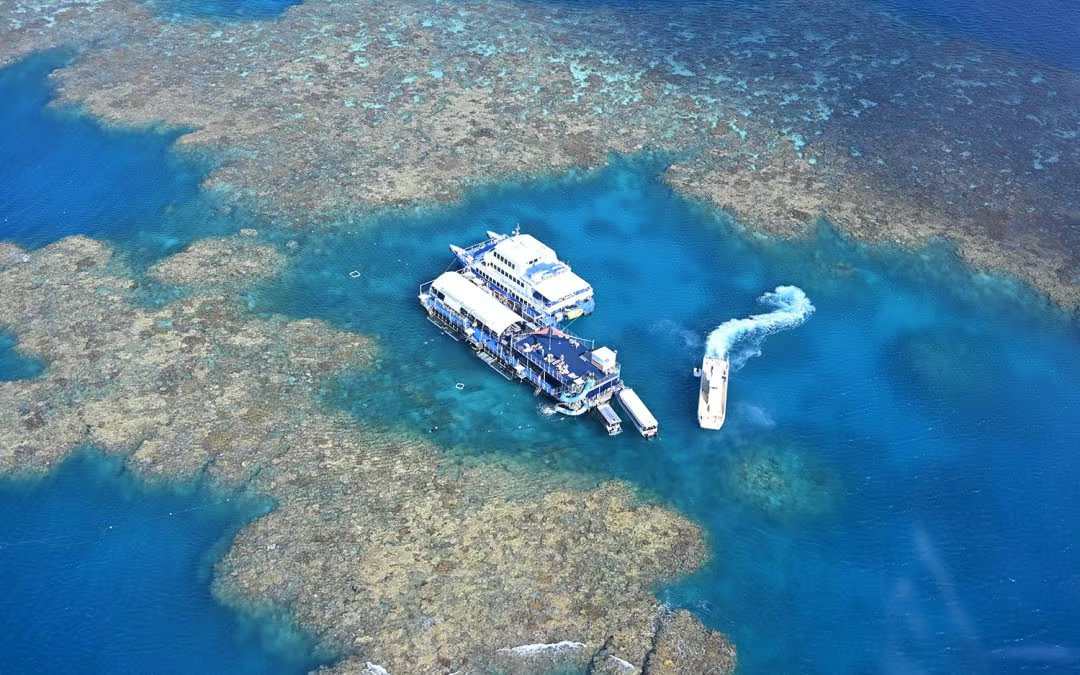
There are thousands of individual reefs in the Marine Park and nobody can watch all of them closely. Priority sites get the attention, and Moore Reef is one of them for a reason that has nothing to do with it being our pontoon.
We are there every day of the year. So are our marine biologists, our dive and snorkel crew, and several hundred guests with masks on. That is an enormous amount of observation time on one patch of reef. A crown-of-thorns outbreak starting at Moore Reef gets noticed in days, not at the next survey window months later — and something noticed early is something that can still be dealt with by hand.
It cuts the other way too. A heavily visited site has to be kept in good condition, because people came a long way to see it. The pressure and the protection arrive together, and on balance that is good for the reef.
What you can do on the day
Honestly, not much about the starfish — that is licensed, trained work and there are good safety reasons it stays that way. Crown-of-thorns spines are venomous and the sting is severe. Never touch one.
What does help:
Never stand on the reef. Never touch anything on it. Never touch, tease or harass any wildlife. Coral is a living animal, and a moment’s contact — a hand, a fin, a foot put down for a rest — kills tissue that took years to grow. This is the single most useful thing any visitor does.
Tell the crew what you saw. If you spot a large spiky starfish, or a patch of coral that has gone bright white while the coral around it looks fine, mention it when you get out. Our biologists would far rather check a false alarm than miss a real one.
Ask. There is a marine biologist on board. Asking what you just looked at is the entire point of them being there.
Share what you see at Moore Reef. We keep a year-round record of every species seen around the Sunlover pontoon, and anyone can add to it. Join our Moore Reef project on iNaturalist (it’s free), then upload your photos from your reef day. Every sighting helps us and reef scientists understand who lives on our site, how it changes through the seasons and over the years, and how best to look after it.
Common questions
Are crown-of-thorns starfish introduced or invasive?
Neither. They are a native part of the Great Barrier Reef ecosystem and have been for as long as the reef has existed. At normal densities they play a useful role, thinning out fast-growing corals and making room for slower ones. The concern is outbreaks, when numbers rise to the point that they eat coral faster than it can regrow.
What is a Drupella snail?
A small predatory sea snail, usually around two centimetres, that feeds on coral tissue by rasping it away. They gather in clusters, often on branching corals and often in the shaded parts of a colony where they are easy to miss. Like crown-of-thorns, they are native and only a problem in large numbers.
Do parrotfish damage coral?
On balance, no — they help. Parrotfish bite into reef rock to graze algae, and that grazing is one of the main things stopping algae from smothering coral and blocking new coral from settling. Some species do take bites of live coral, and the likely reason is the symbiotic algae in the tissue rather than the polyps. The sand they produce as a by-product builds beaches and cays.
Can I help remove crown-of-thorns starfish on a trip?
No, and please do not try. Control work is done by trained, licensed people using specific methods, and the spines carry venom that causes a severe, long-lasting sting. What you can do is report anything you see to the crew.
How do I tell coral that has been eaten from coral that has bleached?
Eaten coral has lost its tissue — what is left is bare white skeleton, usually in a distinct patch or scar with living coral beside it. Bleached coral still has its tissue; it has expelled the algae that give it colour, so it turns pale or white all over while remaining alive. Bleached coral can recover if conditions improve. Eaten coral cannot grow back, though the reef can regrow over it.
Does anything eat crown-of-thorns starfish?
Yes, though not in numbers that control an outbreak on their own. Giant triton snails, some large wrasse and pufferfish, and various species that eat the larvae and juveniles all take them. Adult crown-of-thorns are well defended, which is part of why outbreaks are hard to stop once they are underway.
The takeaway
Coral gets eaten. That is normal, and a reef with no corallivores on it would be a strange and unhealthy place. Butterflyfish picking at polyps and parrotfish crunching algae off the rock are signs of a reef doing what a reef does.
Two animals are the exception, and only when their numbers get away. Those two we count, watch and control — every week, at Moore Reef, with results that go into the record that reef managers rely on. It is unglamorous work and it is the most effective thing anyone can do in the water.
Written by the team at Sunlover Reef Cruises, who run daily trips to Moore Reef on the outer Great Barrier Reef, with marine biologists on board every day. Reef monitoring and stewardship is delivered through the Tourism Reef Protection Initiative.