Quick answer: what are weekly reef surveys?
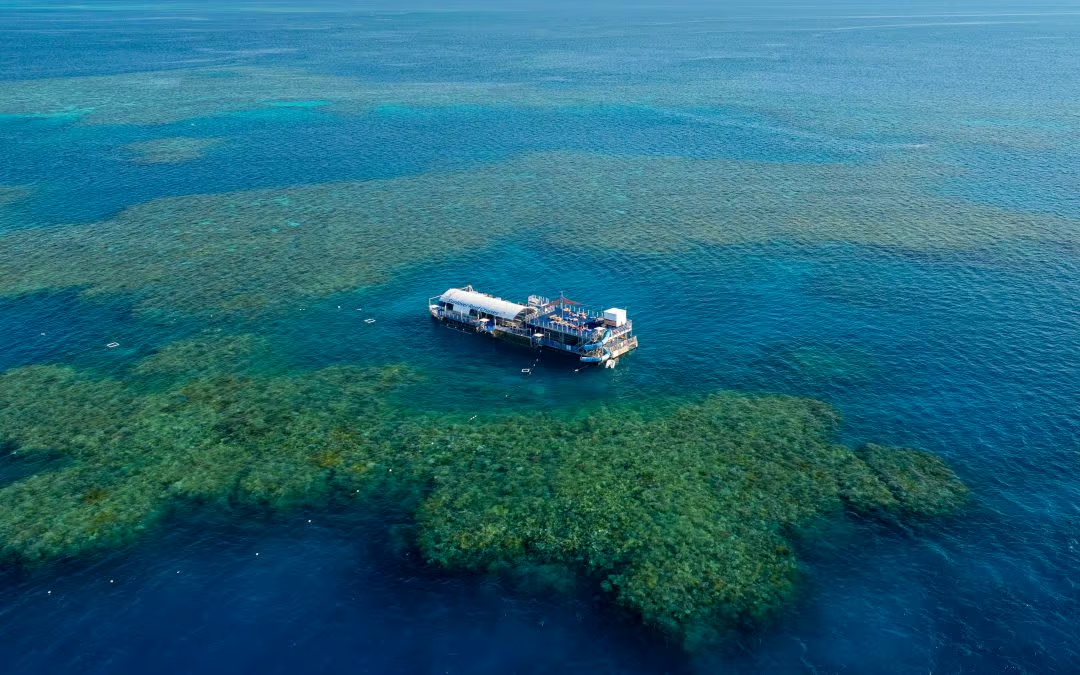
Weekly reef surveys are how our Reef Research Team keeps a close eye on Moore Reef. You may have seen news coverage about crown-of-thorns starfish (CoTS) on the Great Barrier Reef from time to time — this is what that coverage means in practice, and how our monitoring data supports reef protection decisions all year round.
Quick takeaways
- Our Reef Research Team — marine biologists delivering monitoring and stewardship through the Tourism Reef Protection Initiative (TRPI) — surveys our local stewardship sites, including Moore Reef, every week.
- Surveys track coral condition, key species sightings, and early signs of pressure on the reef, following established survey methods.
- When intervention is needed, the team can carry out targeted in-water control work on recognised pest species such as Drupella snails and crown-of-thorns starfish.
- Results are submitted regularly to the Reef Authority and compiled alongside data from other operators, researchers and monitoring partners.
- Tourism operators are on the reef constantly, which means reef health can be tracked more often and across more days of the year than occasional survey windows alone would allow.
What our Reef Research Team does every week
At Sunlover Reef Cruises, this work is led by our dedicated Reef Research Team, delivering reef monitoring and stewardship through the Tourism Reef Protection Initiative (TRPI).
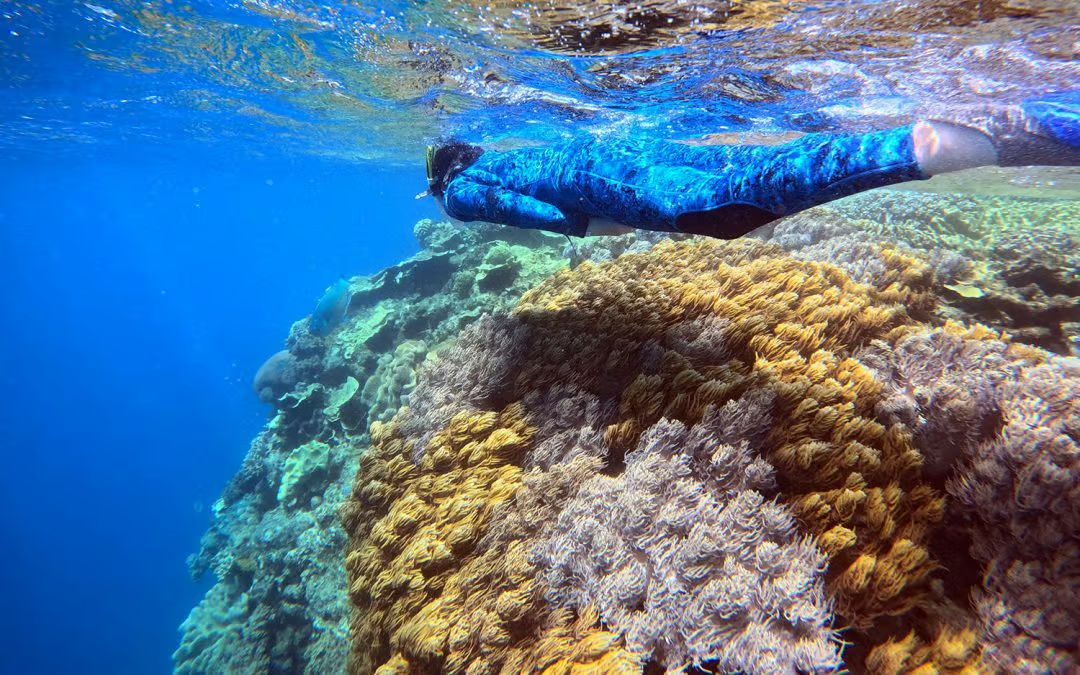
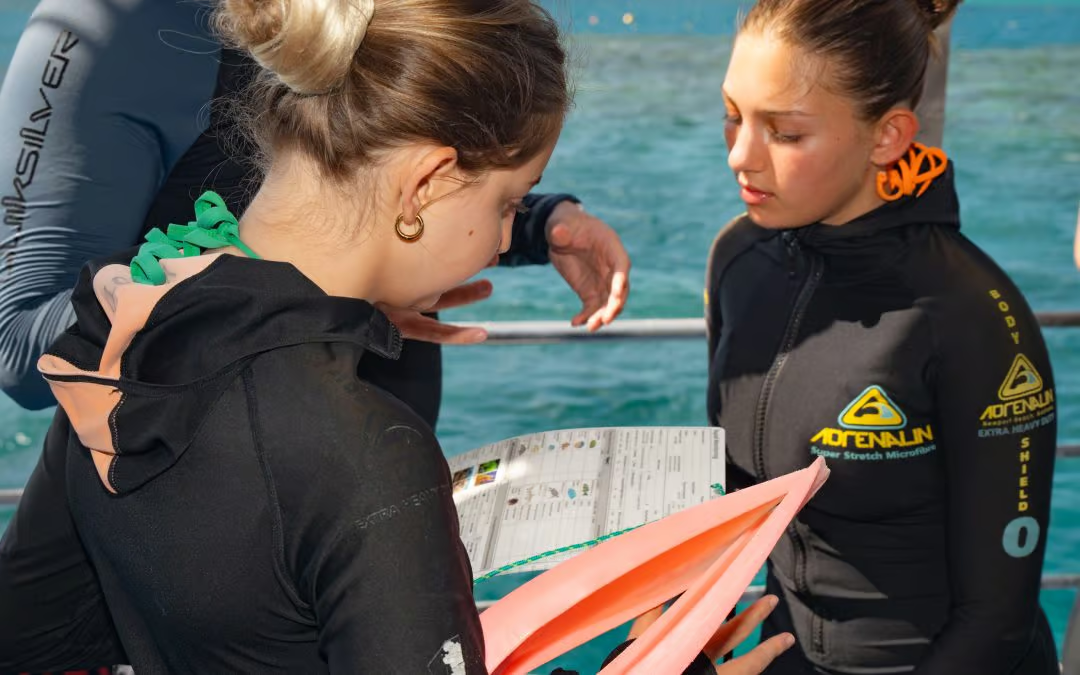
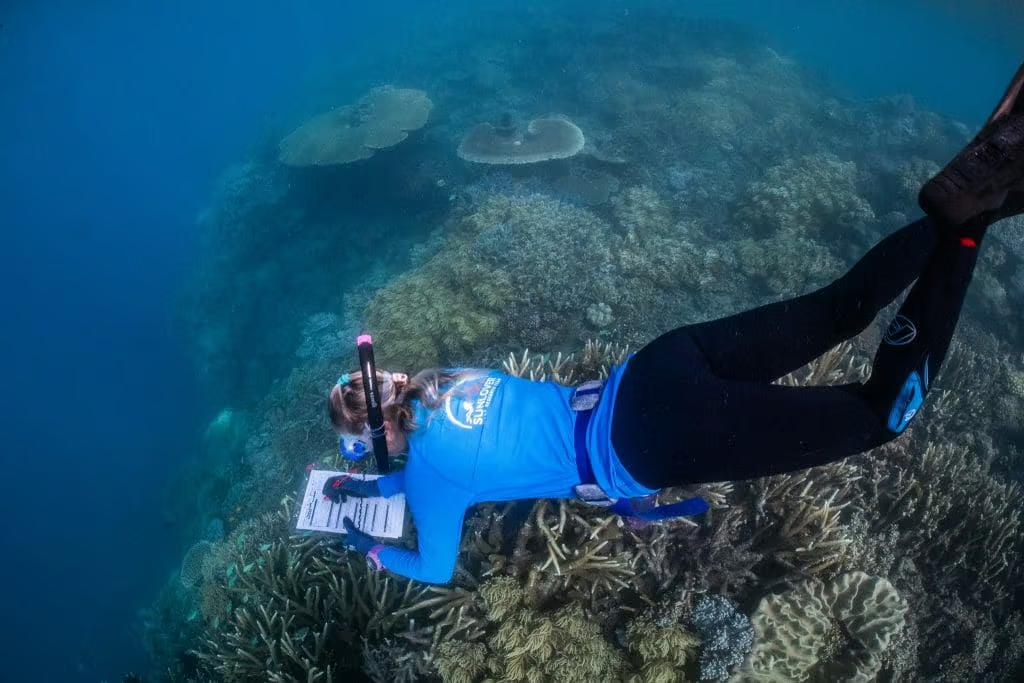
Each week, our marine biologists conduct structured reef surveys at our local stewardship sites, including Moore Reef. These surveys focus on reef health indicators such as coral condition, key species sightings, and early signs of pressure on the ecosystem — so reef managers can respond faster when something needs attention.
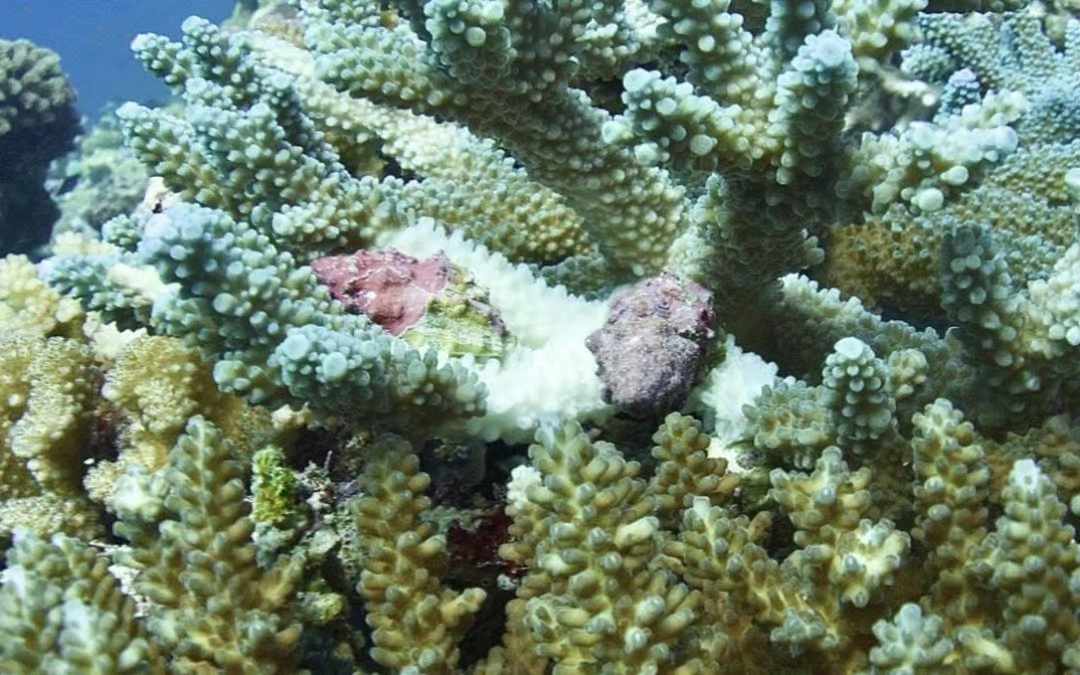
When intervention is required, the team can also carry out targeted in-water control work on recognised pest species, including Drupella snails and crown-of-thorns starfish (CoTS) — the coral predators sometimes mentioned in media coverage. This isn’t random observation. It’s consistent monitoring, following established reef survey methods.
Where the data goes (and why it matters)
Our survey results are submitted regularly to the Reef Authority through the reef’s monitoring systems. That data is compiled alongside information from other operators, researchers and monitoring partners to help build a clearer picture of what’s happening across the Marine Park.
In plain terms: frequent, consistent reef monitoring helps reef managers make better-informed decisions — from identifying emerging issues early to prioritising where protection efforts are needed most. You can read some of the published results from the Department of Climate Change, Energy, the Environment and Water.
Working alongside reef protection partners like INLOC
Reef protection is a team sport (and the reef definitely doesn’t manage itself). Alongside our monitoring, information is shared with specialist reef protection partners such as INLOC Group, who support broader-scale reconnaissance, logistics, training and coordinated response efforts — including work related to CoTS outbreaks.
INLOC operates as a specialist services organisation focused on marine conservation and ecological restoration, supporting on-the-ground delivery through trained teams and operational capability.
Why tourism operators are part of the solution
Tourism vessels are on the reef constantly — and that frequency matters. It means reef health can be tracked more often, across more days of the year, rather than relying only on occasional survey windows. That’s the heart of TRPI: empowering reef tourism operators to contribute meaningful monitoring and stewardship at the sites we visit most.
What this means for your visit
If you’re travelling with us, your day is still about what it should be: an incredible reef experience, guided by people who know it well. If you’d like to be part of reef protection while you’re here, the best help is simple:
- Listen to crew briefings and follow reef-safe snorkelling guidance
- Look, don’t touch (wildlife and coral)
- Give marine life space
- Share what you learn — the reef needs informed advocates as much as it needs calm seas
Frequently asked questions
What is the Tourism Reef Protection Initiative (TRPI)?
What is crown-of-thorns starfish (CoTS) and why does it matter?
Does reef monitoring affect my day trip?
Where can I learn more about crown-of-thorns starfish on the Great Barrier Reef?
See the reef, your way
Join us on a Moore Reef day trip and see the site our Reef Research Team monitors and helps protect, week in and week out.
Sources: Great Barrier Reef Marine Park Authority — Tourism Reef Protection Initiative, Department of Climate Change, Energy, the Environment and Water, ABC News.