by Michelle Barry | Oct 14, 2026 | Blog, Caring for the Reef, Reef Information
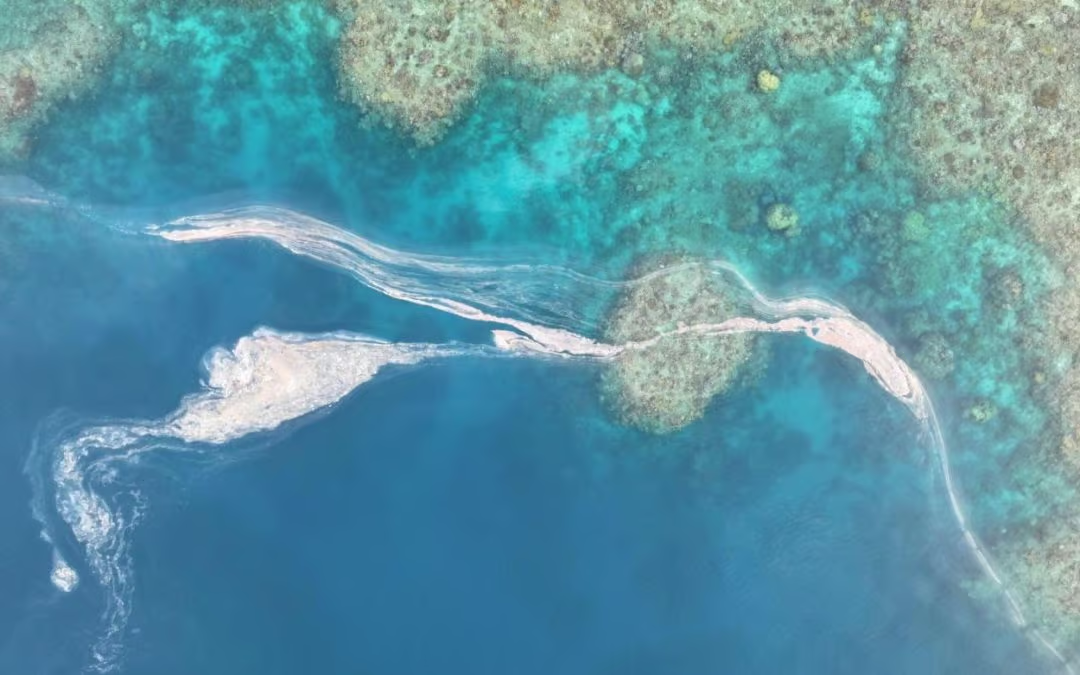
Reef Science For a few nights each year, the corals of the Great Barrier Reef spawn together in the dark. Here is when coral spawning happens, our team’s predicted dates for 2026, and how you can see the result on the water the next day. The short version Our...
by Michelle Barry | Oct 8, 2026 | Caring for the Reef, Reef Information, Wildlife
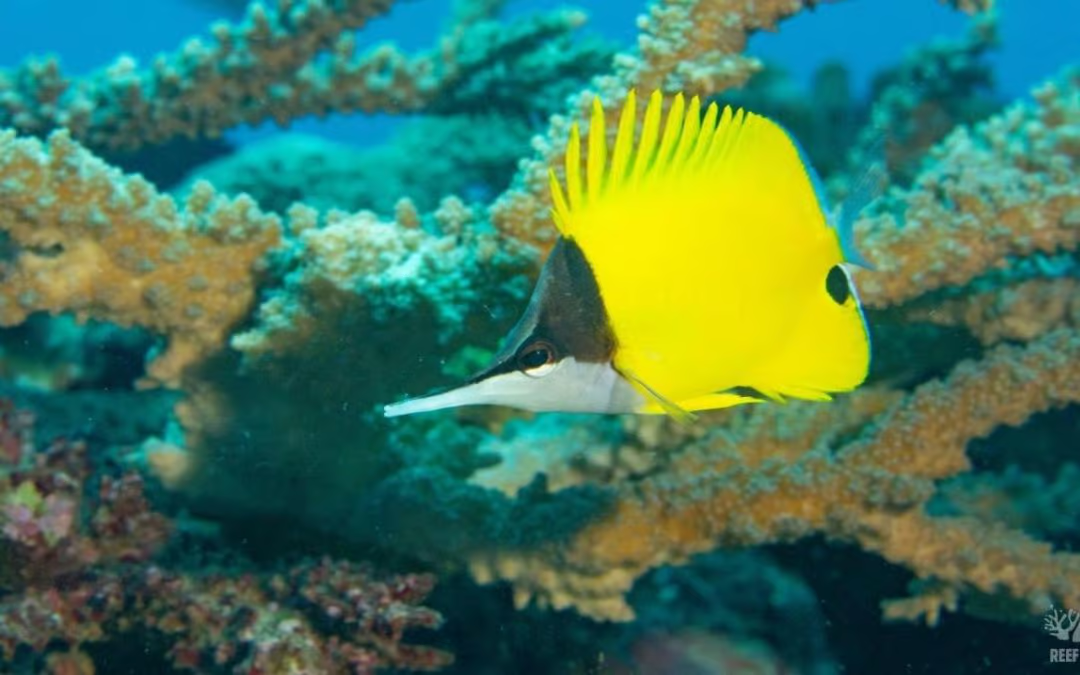
Caring for the Reef Small, bright, usually in pairs, and almost always eating. Butterflyfish are the reef fish scientists count when they want to know how the coral is doing, and the reason is in their mouths. Most people notice butterflyfish on their first snorkel...
by Michelle Barry | Sep 21, 2026 | Caring for the Reef, Education
Reef Education What the index measures, what every symbol in the formula means, a full worked example you can follow line by line, and why 2 sites with exactly the same species can return very different numbers. Written by the marine biologists who run this as...
by Michelle Barry | Sep 14, 2026 | Blog, First Time Scuba Diving, Scuba Diving, SCUBA Training
Short answer There is no government register of dive schools to look up. Accreditation works through the training agencies, and in Queensland it is backed by a work health and safety code of practice that governs how operators must run. So you verify 2 things: that...
by Michelle Barry | Sep 13, 2026 | Blog, First Time Scuba Diving, Scuba Diving, SCUBA Training
Short answer Price is the easiest thing to compare between dive centres and the least useful. These 9 questions expose what actually differs, and most of them take one sentence to answer. Screenshot this page and ask the same 9 of everyone you are considering. 2...
by Michelle Barry | Sep 12, 2026 | Blog, First Time Scuba Diving, Scuba Diving, SCUBA Training
Short answer The certification is identical. What changes is where you spend your first 9 dives, and how much of your attention goes on being cold, unable to see, or fighting a surf entry instead of learning to dive. Pool training is cheaper, closer and can be spread...