El Niño is back. The Bureau of Meteorology confirmed on 11 August 2026 that a strong El Niño is firmly established in the tropical Pacific and is still intensifying, with the event expected to last into autumn 2027. For the Great Barrier Reef, that makes the coming summer a higher-risk season for heat stress and coral bleaching — and it makes right now, in the cooler months, an important moment to understand what is actually happening out on the water.
Key takeaways
- A strong El Niño is established now — the key Pacific index sits at +2.20°C, nearly 3 times the +0.80°C threshold (Bureau of Meteorology, 11 August 2026).
- The reef enters it in good shape: AIMS’s latest annual monitoring found coral cover increased slightly or held steady in all 3 regions, and sea temperatures right now are close to historical averages.
- El Niño raises the risk of summer heat stress; it does not make bleaching certain. The 2025–26 summer showed how much late monsoon weather can change the outcome.
- Nothing about visiting changes: we run to Moore Reef every day, and our crews log conditions through the Reef Authority’s Eye on the Reef program year-round.
What is El Niño, and why does the reef care?
El Niño is the warm phase of a natural Pacific climate cycle. The trade winds that normally push warm surface water towards Australia weaken or reverse, the central Pacific warms, and eastern Australia typically gets warmer and drier conditions. For a coral reef, the part that matters is heat: corals live close to their temperature limits, and a summer that runs a degree or 2 hotter for weeks at a time can stress them enough to bleach.
The Bureau’s monitoring puts hard numbers on it. The Niño3.4 index — the standard measure of the event — reached +2.20°C in the week ending 9 August, well beyond the +0.80°C threshold that defines an El Niño. Every model the Bureau tracks expects further warming through spring, with a peak in late spring or summer.
What are the scientists actually saying?
On the same day the Bureau confirmed the El Niño’s strength, the Australian Institute of Marine Science released its annual long-term monitoring results for 2025–26 — the program that has tracked reef health for 40 years. The headline was better than many expected. Dr Mike Emslie, who leads the program:
“The Reef experienced a summer of above average sea temperatures once again, but the late summer monsoon activity, which increased cloud cover and reduced sea temperatures, likely limited the severity and extent of bleaching in the 2025/26 summer.”
Dr Mike Emslie — AIMS Long-Term Monitoring Program, 11 August 2026
Coral cover increased slightly or held steady across the northern, central and southern regions, and the widespread mortality some feared after the 2024 and 2025 bleaching events did not eventuate. But Dr Emslie was direct about what that recovery is built on — fast-growing Acropora corals that are also the most heat-sensitive:
But he cautioned that the Reef “is being pushed and its capacity to recover is limited.”
AIMS chief executive Professor Selina Stead put the same picture in a sentence:
AIMS Chief Executive Professor Selina Stead put the wider picture plainly: the recovery is encouraging, but the risks for coral reefs are increasing — and helping reefs survive means “reducing global emissions, good reef management, and developing evidence-based science interventions that support reef adaptation and recovery.”
What does the Reef Authority say about the summer ahead?
The Great Barrier Reef Marine Park Authority’s August reef health update notes that sea surface temperatures across the Marine Park have cooled to near historical averages after summer — and looks squarely at what’s coming:
“A strong El Niño event and a developing positive Indian Ocean Dipole are forecast leading into summer. These climate patterns are generally associated with warmer and drier conditions across eastern and northern Australia.”
Reef Authority — Reef health update, August 2026
The Authority also notes the caveat that matters for anyone who actually works on the water: local weather systems vary across the Marine Park, so what any individual reef experiences can differ a great deal from the regional forecast. The 2025–26 summer proved the point — a late monsoon changed the season’s outcome.
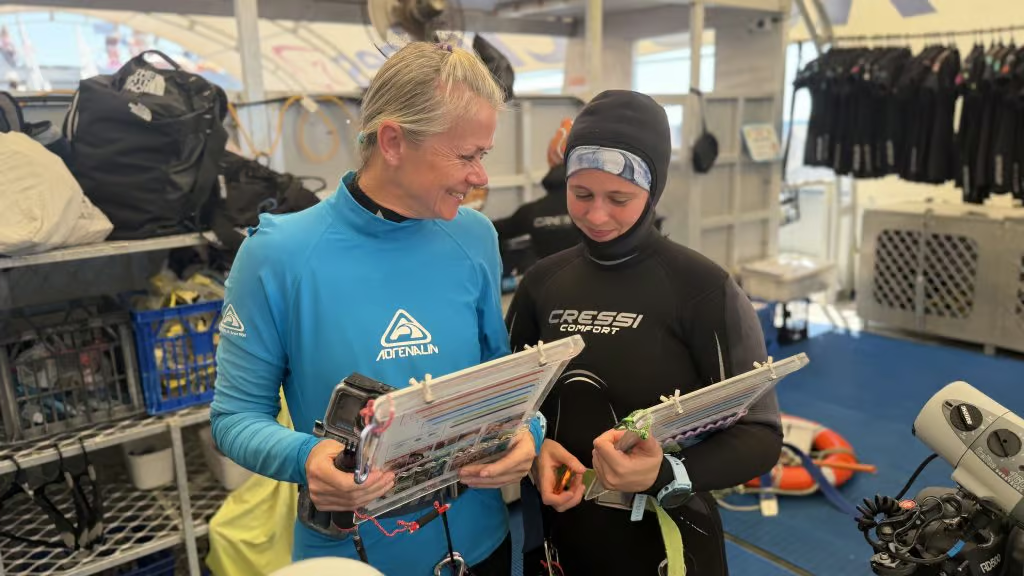
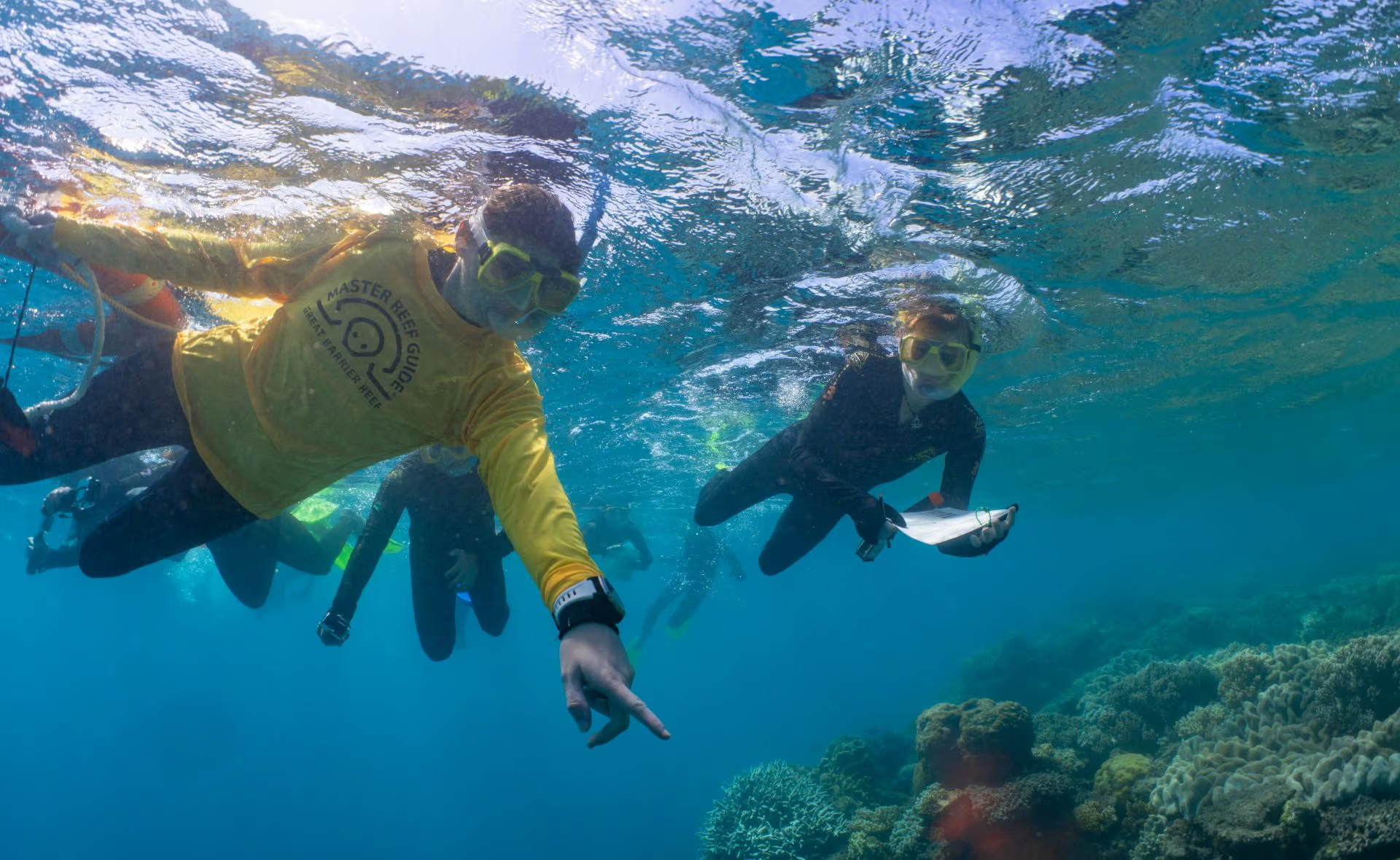
Our own team watches this from the water, week in and week out. Michelle Barry, Master Reef Guide and dive instructor at Sunlover, on what this summer will actually test:
“In some ways we’re learning the hard way. Over the past 10 years we’ve learned a huge amount about heat-tolerant symbionts and their ability to survive higher temperatures — much of that work inspired by the widespread impacts of the 2016 bleaching. Now that knowledge will be put to the test. What we learn from the outcomes of this summer will tell us a lot about where we can scale up resilience efforts. There’s no single restoration approach that works for every reef — we’re talking about millions of micro-systems that work together because of specific combinations of plants and animals, and no 2 are the same. What we’re hoping to find is an interconnectivity that works for most places, so we can protect and preserve these vital ecosystems.”
Michelle Barry — Master Reef Guide & Dive Instructor, Sunlover Reef Cruises
Does El Niño mean the reef will bleach this summer?
No one can say — and anyone who tells you otherwise is guessing. El Niño loads the dice towards heat stress; it does not roll them. Bleaching depends on how hot the water gets, for how long, over which reefs — and on wildcards like cloud cover, monsoon activity and cyclones that no seasonal forecast can pin down. What is true: 6 mass bleaching events occurred between 2016 and 2025, the background ocean is the warmest on record, and a strong El Niño on top of that warrants genuine watchfulness rather than either panic or complacency.
It is also worth knowing that bleached is not the same as dead. Bleaching is a stress response — corals expel the algae that feed and colour them — and corals can recover if the heat eases in time. Whether they do, as Dr Emslie’s team puts it, depends on the intensity and duration of the heat stress.
What this means if you’re visiting Cairns this season
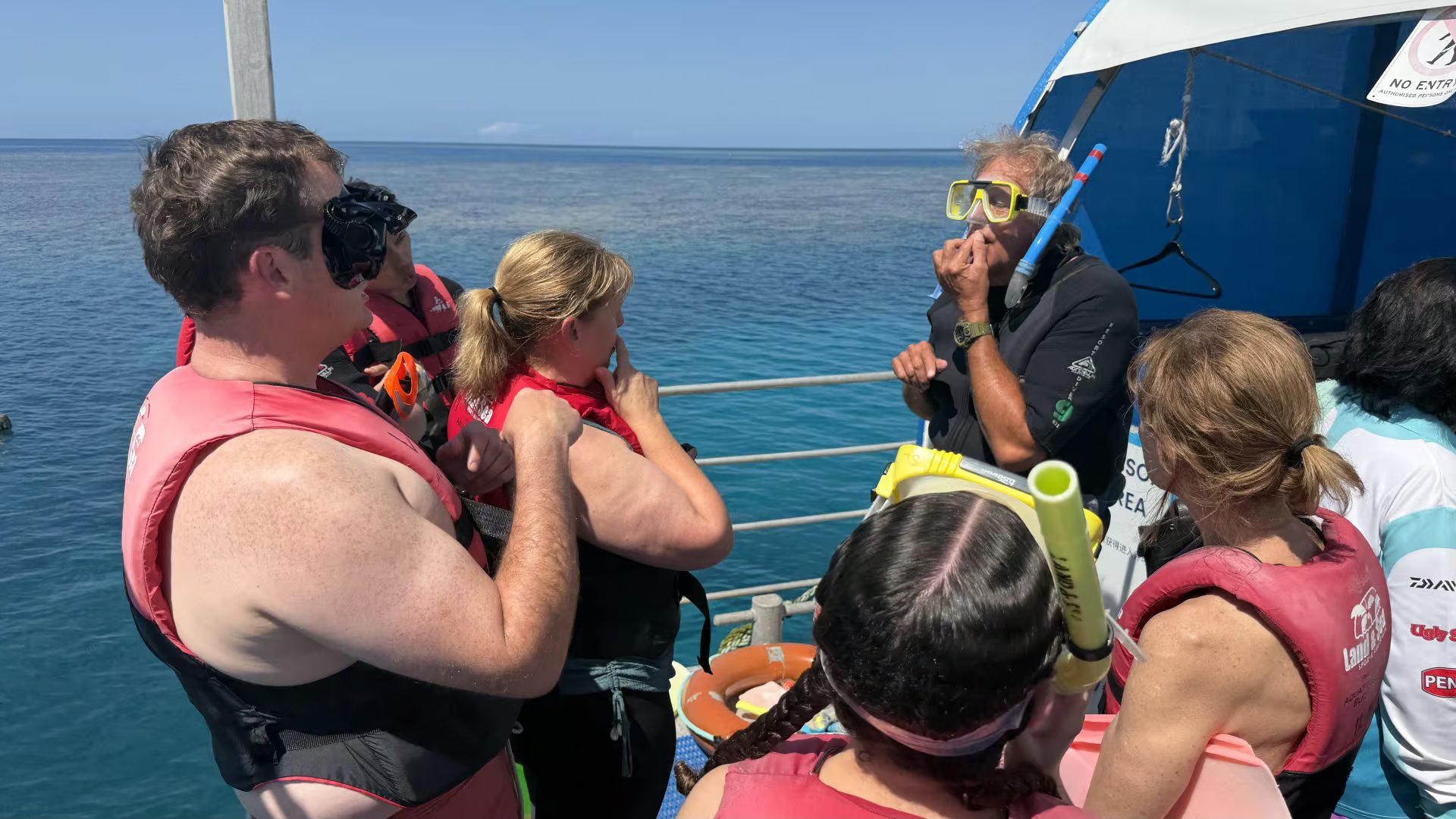
Practically: not much changes, and some of it is in your favour. El Niño years are typically drier on the tropical coast, which tends to mean clearer skies through spring and early summer. The water is swimmable every month of the year here. Check the live reef weather page before you come — it shows actual conditions at Moore Reef, not a city forecast — and if you want to understand how the seasons trade off against each other, the month-by-month guide is honest about every one of them.
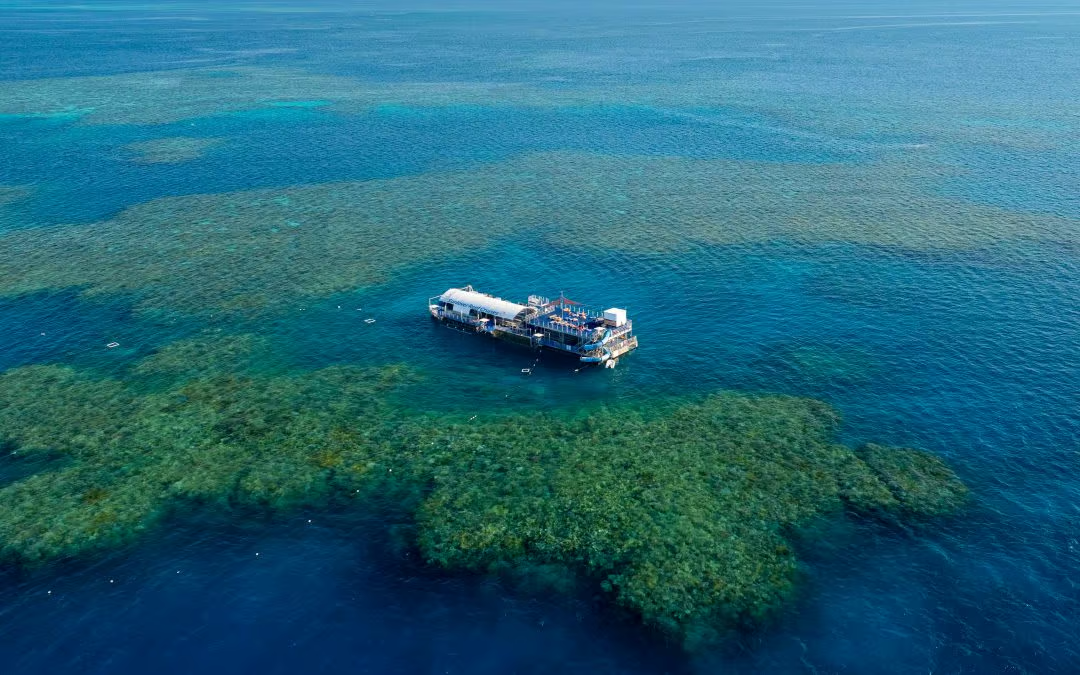
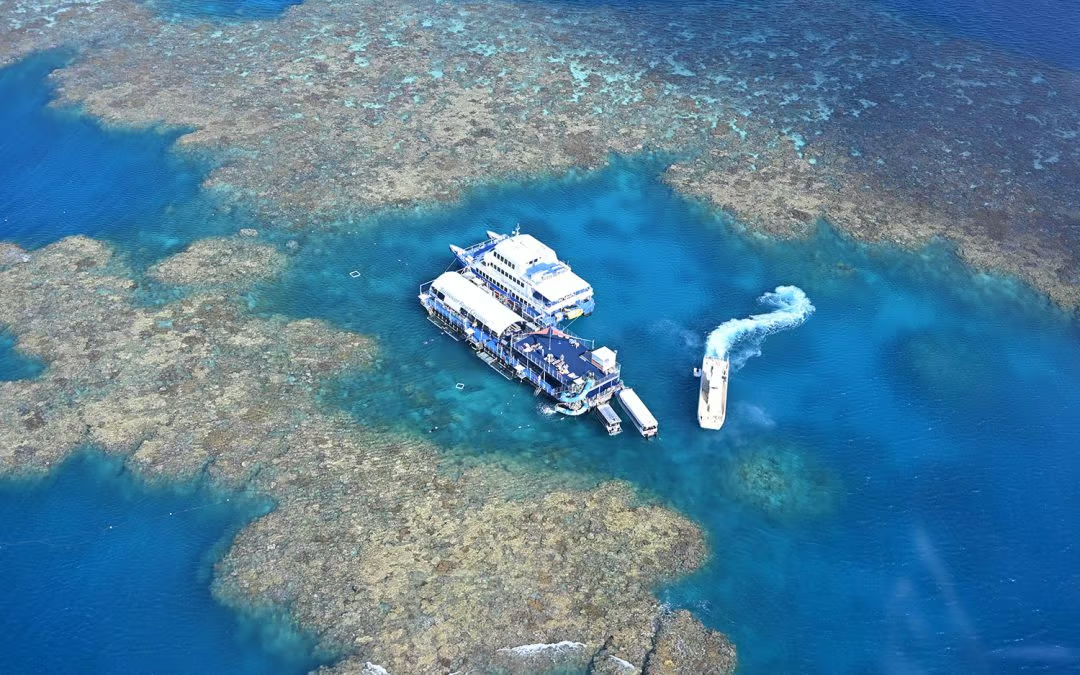
And if you’re weighing up whether the reef is “still worth seeing” — the latest science answers that directly. Coral cover across the Marine Park is stable or rising as of August 2026. What our guests swim over at Moore Reef is a living, functioning reef, and seeing it with a guide who can explain what’s happening to it is, if anything, more meaningful now than it has ever been.
What Sunlover is doing about it
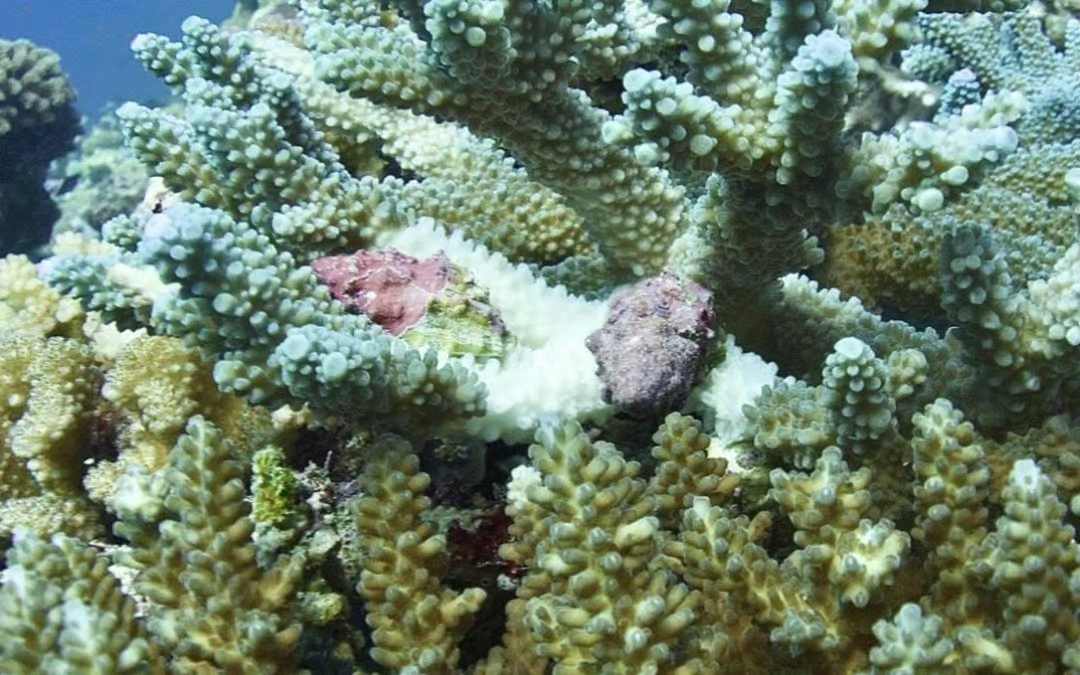
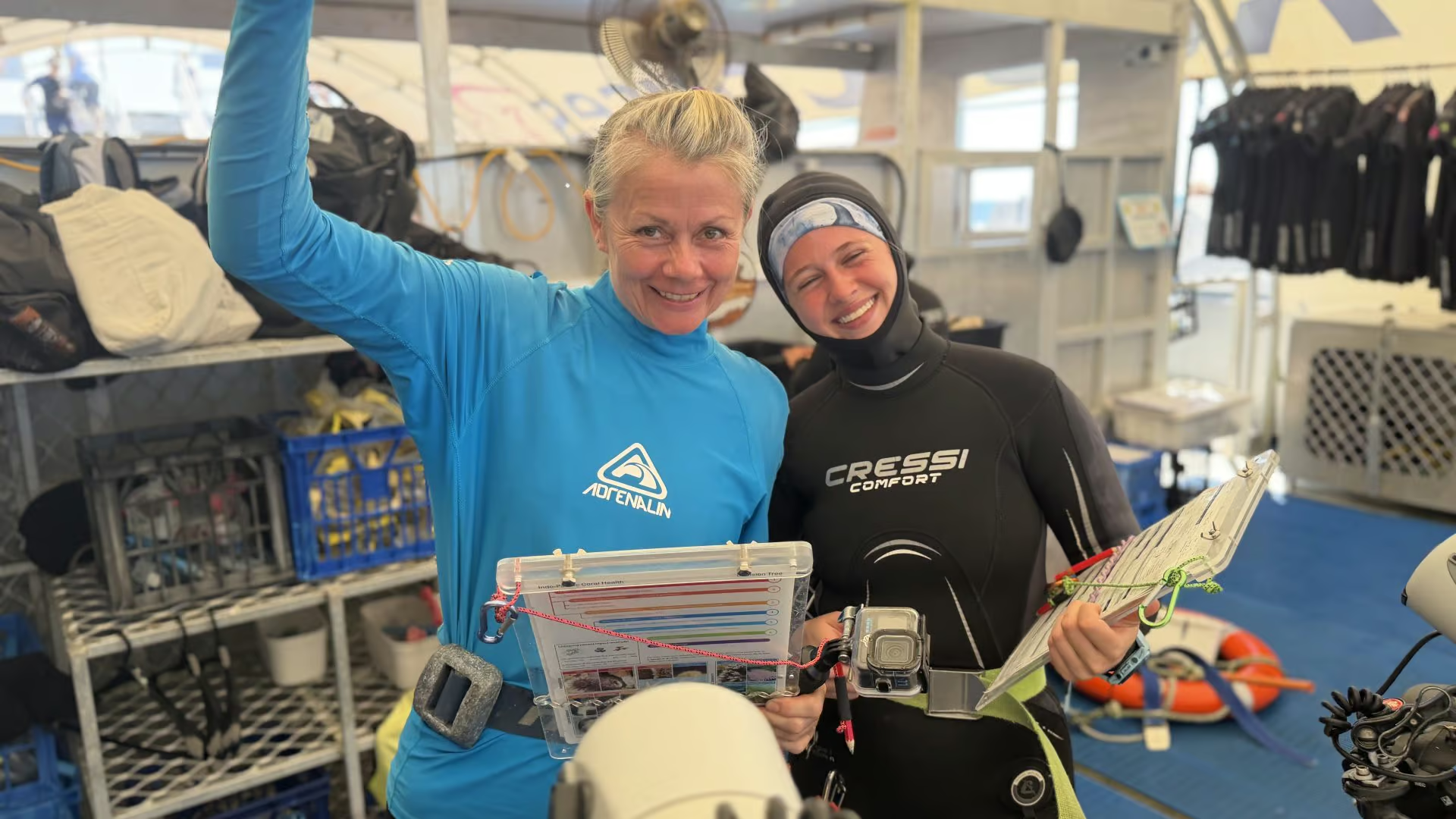
We operate at Moore Reef every day, which makes our crews some of the most frequent observers of that reef anywhere. Through the Reef Authority’s Eye on the Reef program, our team logs reef health, species sightings and any bleaching observations, feeding directly into the same monitoring picture the scientists above rely on. During weekly reef surveys our Reef Research Team removes crown-of-thorns starfish and Drupella snails when we find them in damaging numbers — targeted removals that support reef resilience going into a high-risk summer. And we’re honest on this page and everywhere else: we publish the trade-offs, not just the postcard.
Common questions
Is the Great Barrier Reef bleached right now?
When would bleaching happen, if it happens?
Is it safe or ethical to visit during an El Niño?
Will the weather be better or worse for my trip?
Where does this article’s information come from?
See it with people who watch it every day
We run to Moore Reef every day of the year, and our crews will show you exactly what the science above is describing.
Sources: Bureau of Meteorology ENSO monitoring (11 August 2026) · AIMS: Relief for recovering Reef as monsoon cools waters (11 August 2026) · Reef Authority reef health update (August 2026). Quotes are reproduced verbatim from AIMS and Reef Authority public releases.