Reef Science
For a few nights each year, the corals of the Great Barrier Reef spawn together in the dark. Here is when coral spawning happens, our team’s predicted dates for 2026, and how you can see the result on the water the next day.
The short version
- Our predicted 2026 spawning nights near Cairns are 30 and 31 October into 1 November, and 28, 29 and 30 November.
- Spawning happens at night, a few nights after a full moon. The full moons are on 26 October and 25 November.
- Guests can’t stay overnight on our pontoon, but the next day the spawn can gather into vast slicks on the surface around the reef.
- These are predictions. The corals set the final timing, and the slicks depend on wind, tide and current.
When is coral spawning on the Great Barrier Reef in 2026?
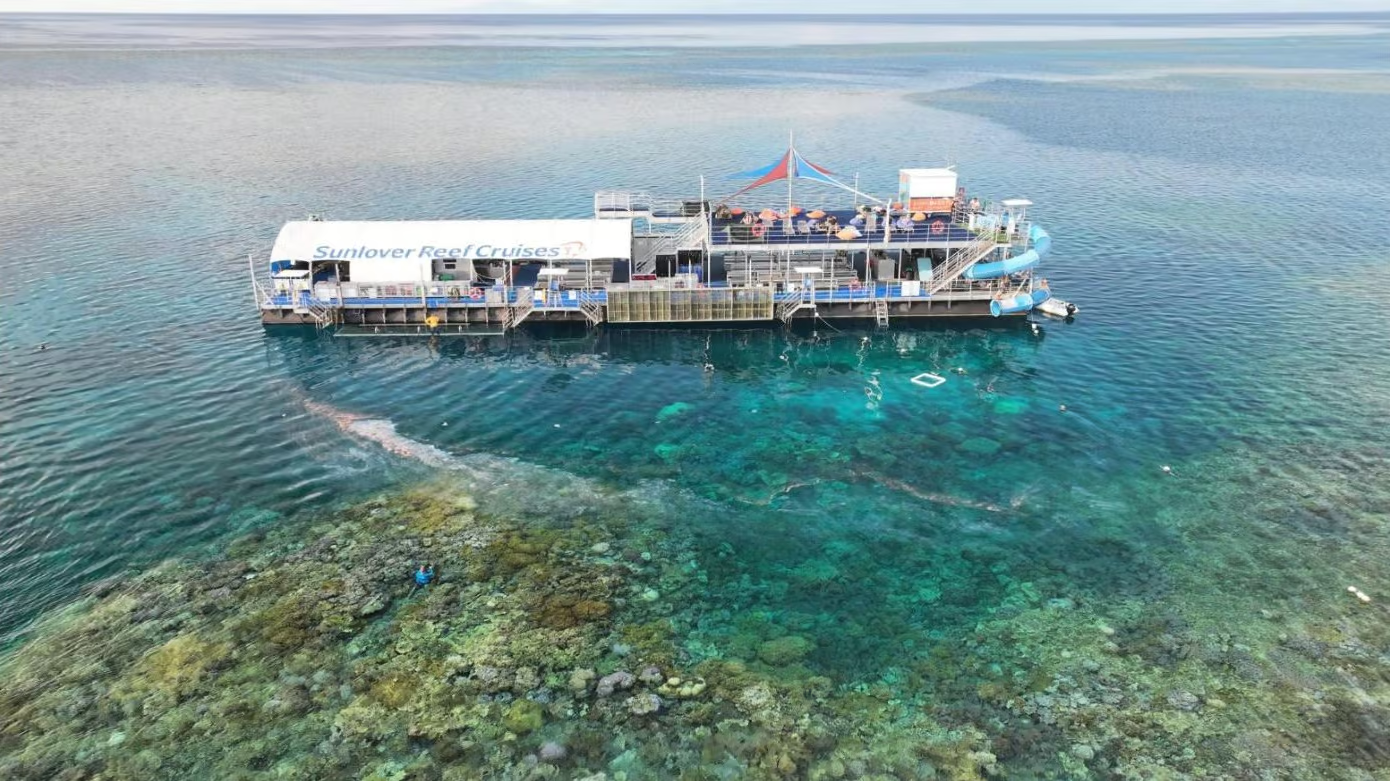
Each year our team looks at the moon and the tides to predict when the corals around Moore Reef are most likely to spawn. For 2026 we expect 2 windows.
Treat these dates as our best guess, not a timetable. Spawning can shift by a night or 2 either side, and different coral species spawn on different nights.
What is coral spawning?
Coral spawning is how most hard corals on the Great Barrier Reef reproduce. On the same few nights, colonies across the reef release tiny bundles of eggs and sperm into the water. The bundles float up, break apart at the surface, and eggs from one colony are fertilised by sperm from another. The larvae drift on the currents before settling on the reef to start new corals.
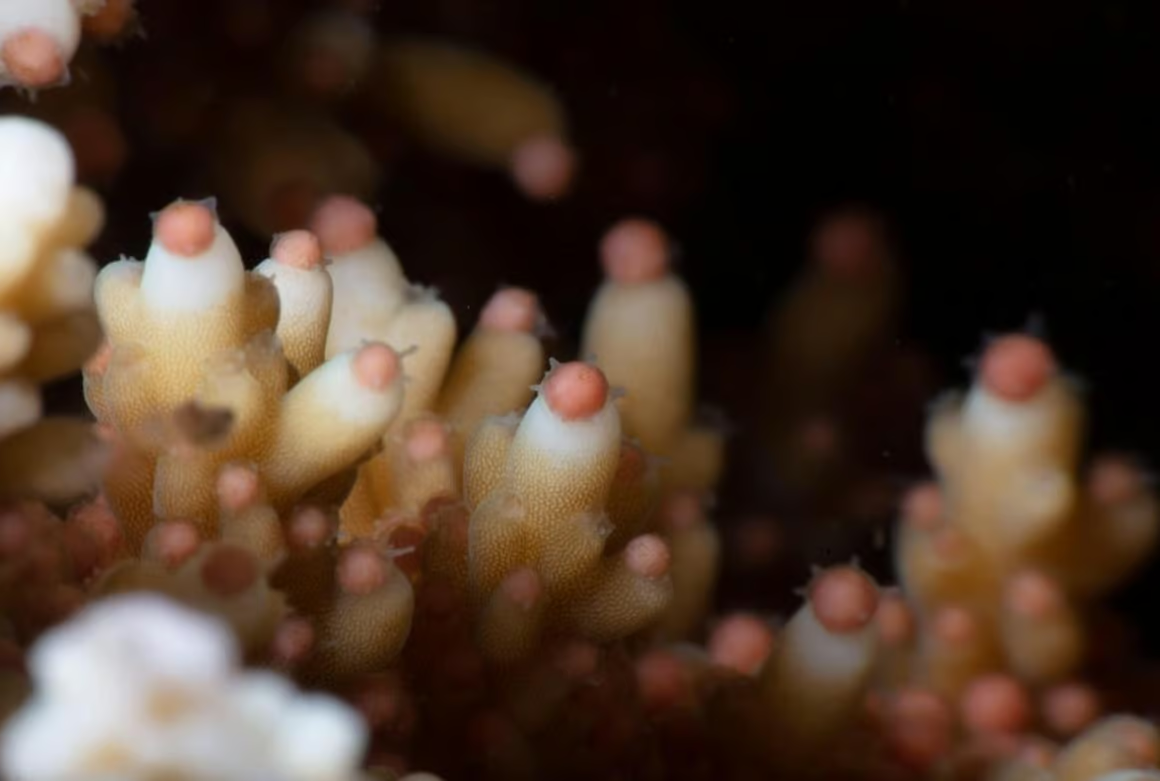
It is one of the most important events of the reef’s year, because it is how reefs reseed and recover after bleaching, storms and cyclones. We explain the science in more detail in why coral spawning matters.
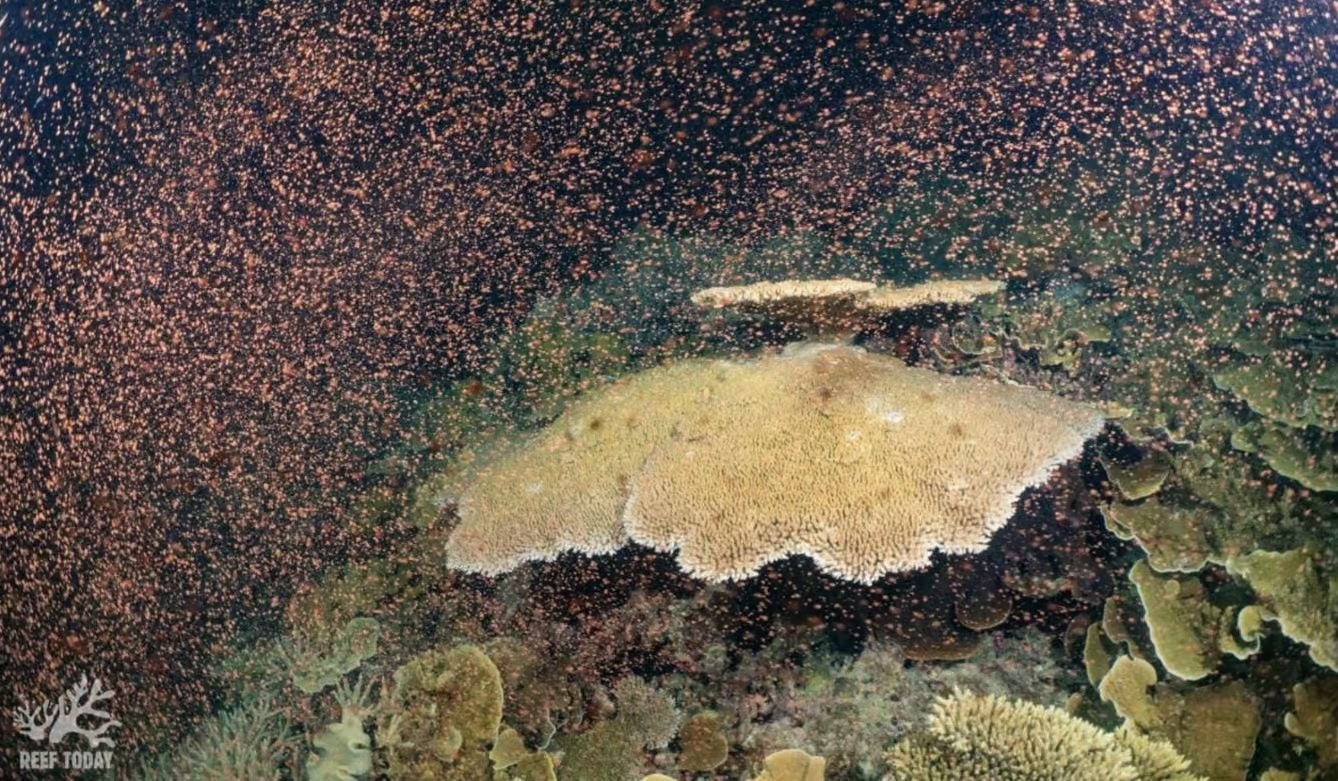
Watch coral spawning at Moore Reef in 2025
This footage was filmed at our Moore Reef pontoon during coral spawning in November 2025.
Why does coral spawning follow the full moon?
Corals have no eyes or brain, yet they spawn within the same few hours. They take their cues from the environment: water temperature rising in late spring, the length of the day, and the light of the moon. Spawning usually starts a few nights after a full moon, a few hours after sunset.
Releasing at the same time matters. Eggs and sperm only survive in the water for a short time, so spawning together gives each colony the best chance of its eggs being fertilised, and floods the water with more spawn than predators can eat.
Why are there 2 spawning events this year?
Not every coral spawns on the same night, or even after the same full moon. In some years spawning is spread across the nights after 2 full moons. Based on where the moon and tides fall in 2026, our team expects spawning activity after both the October and November full moons.
Why do the tides matter for coral spawning?
Timing coral spawning is about more than the moon. The tides around the spawning nights work in the corals’ favour.
At night, the tide swings are tiny. With very little water movement, the eggs and sperm rising from the reef can gather, mix and fertilise together on the surface. During the day the tides and currents are bigger, and they carry the newly fertilised coral larvae far and wide across the reef.
Minimal tidal movement overnight provides calmer conditions for coral eggs and sperm to concentrate at the surface, increasing the opportunity for fertilisation. As tidal movement and currents strengthen, the resulting embryos and larvae can be dispersed across the reef and into surrounding waters.
Michelle Barry — Digital Marketing Manager and Master Reef Guide, Sunlover Reef Cruises
That is why the slicks matter. Gathered together on the surface, the spawn gives each coral its best chance of fertilisation, and the currents that follow give the larvae their best chance of finding new reef to settle on.
What eats coral spawn?
Almost everything. Coral spawn is a huge, sudden burst of food, and it feeds many mouths across the food chain, from the tiniest worms and other invertebrates to fish of every size.
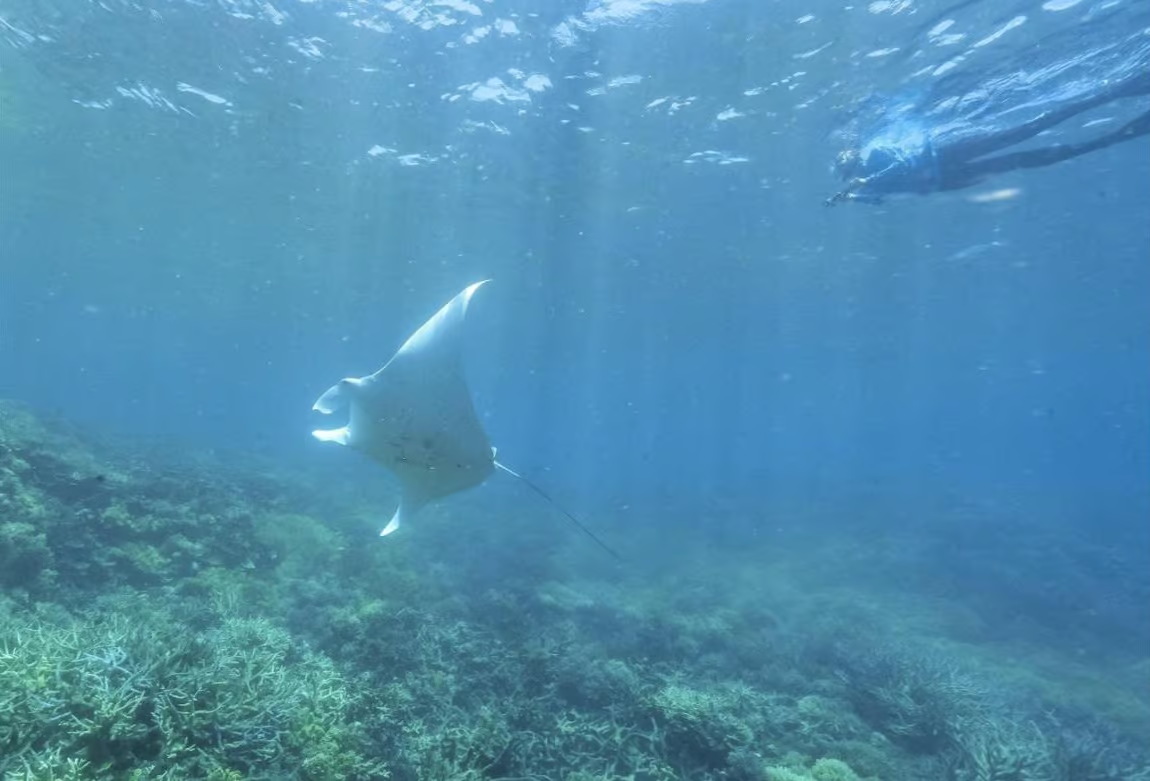
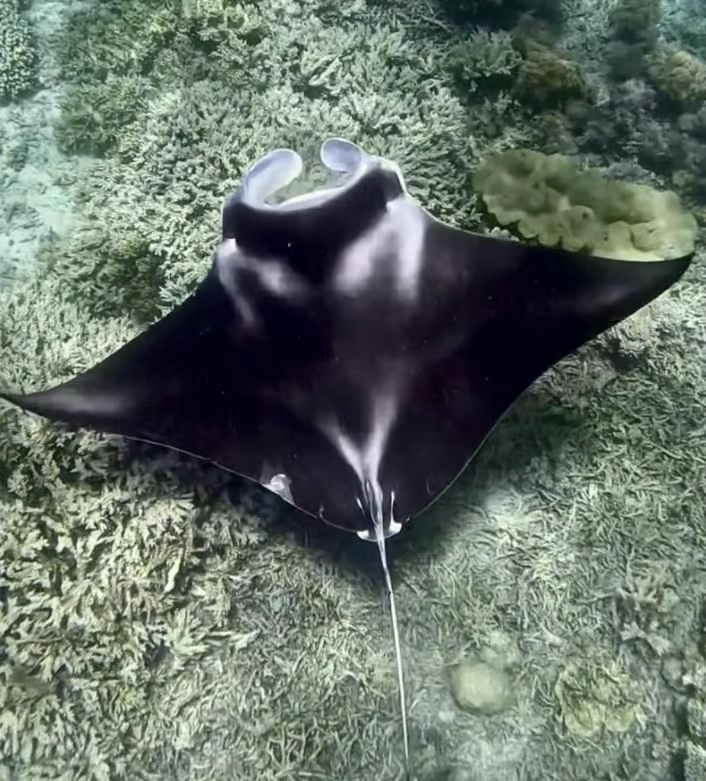
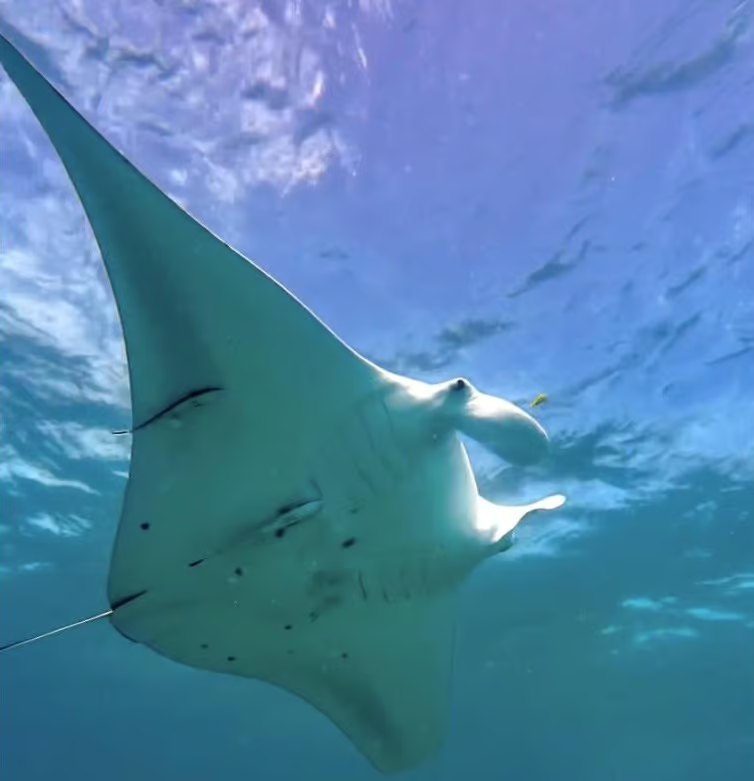
The biggest visitors come for it too. Manta rays and whale sharks move in over the summer months to feed on the spawn, which means the largest fish in the ocean is eating some of the smallest life on the reef. Spawning in huge numbers on the same nights is how corals make sure enough survive.
Can you see coral spawning on a Sunlover tour?
Spawning happens at night, and guests can’t stay overnight on our Moore Reef pontoon. The good news is that the spawning doesn’t disappear by morning.
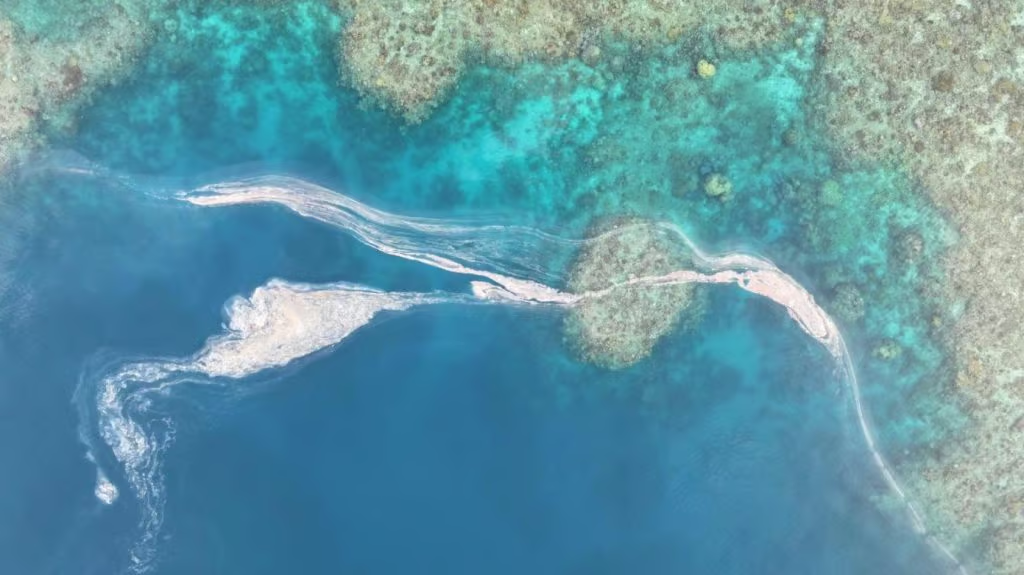
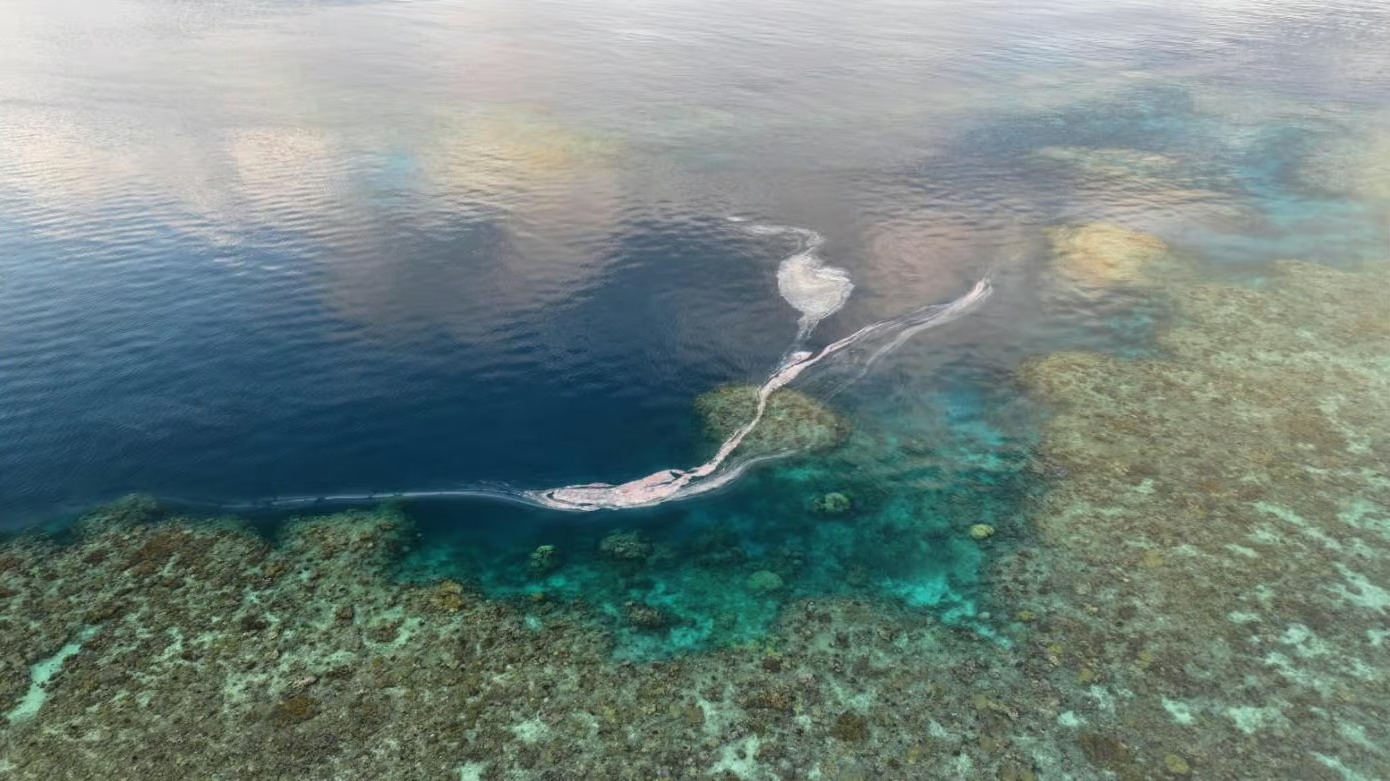
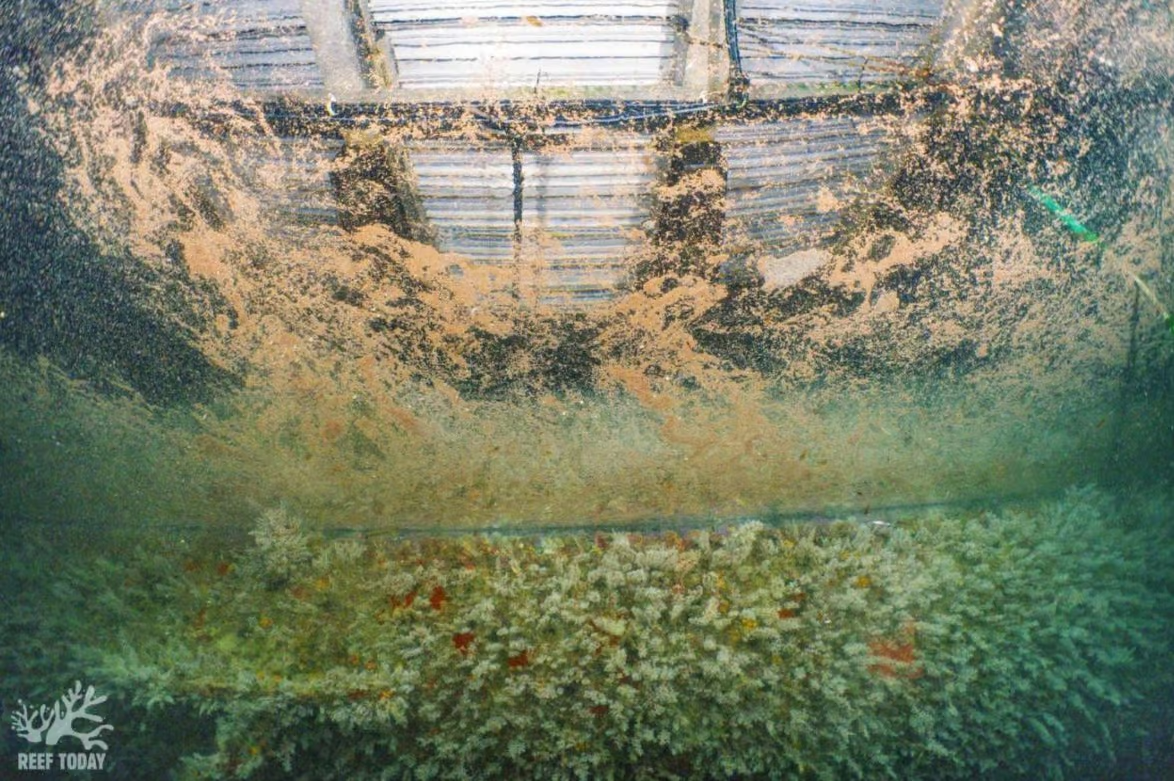
The day after a big spawning night, the spawn that rose to the surface can gather into vast slicks: long pink, cream and white tracks that follow the tide and current, often lining the reef edge. From the boat and the pontoon you may see them stretching across the water, and our marine biologists can explain what you are looking at.
Planning a trip? The days to look out for are the mornings after our predicted spawning nights: 31 October, 1 and 2 November, and 29 and 30 November and 1 December. Slicks aren’t guaranteed, but these are the days they are most likely.
What do coral spawn slicks look like?
From the air they look like pink and white ribbons drawn across the water, sometimes pooling into larger patches. The aerial photos on this page were taken by drone. Closer to the surface, a slick is made up of millions of tiny eggs and bundles. Over the following days the spawn breaks up and the fertilised eggs develop into larvae that drift with the current before settling on the reef.
See the reef during spawning season
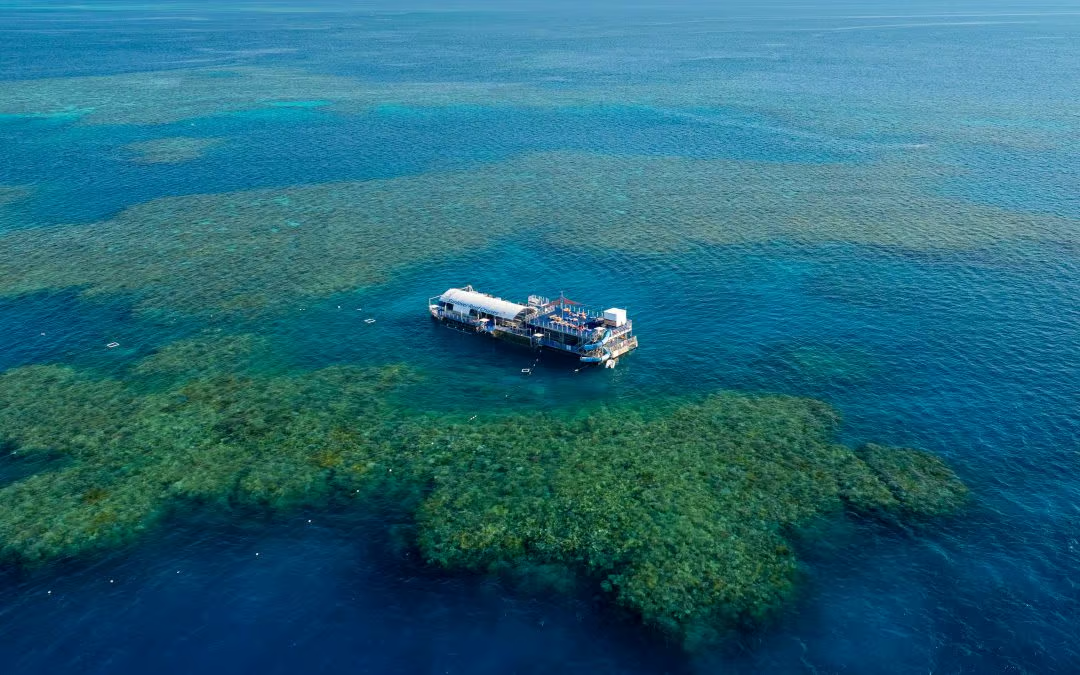
Spend a day at Moore Reef on the outer Great Barrier Reef, with marine biologists on the pontoon to explain what is happening on the reef this season.
Coral spawning FAQs
When is coral spawning on the Great Barrier Reef in 2026?
Our team predicts 2 spawning windows near Cairns in 2026, based on the moon and the tides. The first is the nights of 30 and 31 October, running into 1 November, after the full moon on 26 October. The second is the nights of 28, 29 and 30 November, after the full moon on 25 November. These are predictions, and the corals set the final timing.
Can you see coral spawning on a day trip?
Spawning happens at night, and guests can’t stay overnight on our Moore Reef pontoon. But the day after a big spawning night, the spawn rises to the surface and can gather into long pink and white slicks across the water, which you may see from the boat and the pontoon.
What time of day does coral spawning happen?
Coral spawning happens at night, a few hours after sunset, on a handful of nights after a full moon in late spring and early summer.
Why does coral spawning follow the full moon?
Corals use the lunar cycle, along with water temperature and day length, to release their eggs and sperm at the same time. Spawning together gives each coral the best chance of its eggs being fertilised.
Why are there 2 coral spawning events this year?
Corals don’t all spawn on the same night. In some years, spawning is spread across the nights after 2 full moons. This year our team expects activity after both the October and November full moons.
Why do the tides matter for coral spawning?
At night the tide swings around spawning are tiny, so the eggs and sperm can gather, mix and fertilise on the surface. During the day the tides and currents are bigger, and they carry the new coral larvae far and wide across the reef.
What eats coral spawn?
Coral spawn feeds many mouths, from tiny worms and other invertebrates to fish of every size. Manta rays and whale sharks also move in over the summer months to feed on the spawn.
Are the spawn slicks guaranteed?
No. How much spawn reaches the surface, and where it drifts, depends on how many corals spawned and on the wind, tide and current. Our marine biologists will tell you on the day what they are seeing.
What do coral spawn slicks look like?
From above they look like pink, cream and white ribbons or patches floating on the water, often lining up along the reef edge or following the current. Up close they are millions of tiny eggs and bundles drifting at the surface.
Predicted dates are Sunlover’s own, based on the 2026 moon phases and tides. Full moon dates are in Australian Eastern Standard Time. Spawn slick photos by Theresa Graham for Master Reef Guides. Underwater spawning photos by Stuart Ireland, Reef Today. Coral polyp photo by Gabriel Guzman. Coral spawning video by Stuart Ireland, Calypso Reef Imagery. Manta ray photos by Calypso Reef Imagery and Tania Moore, Sunlover Eye on the Reef team.
Written by the team at Sunlover Reef Cruises, who run daily trips to Moore Reef on the outer Great Barrier Reef, with marine biologists on board every day.