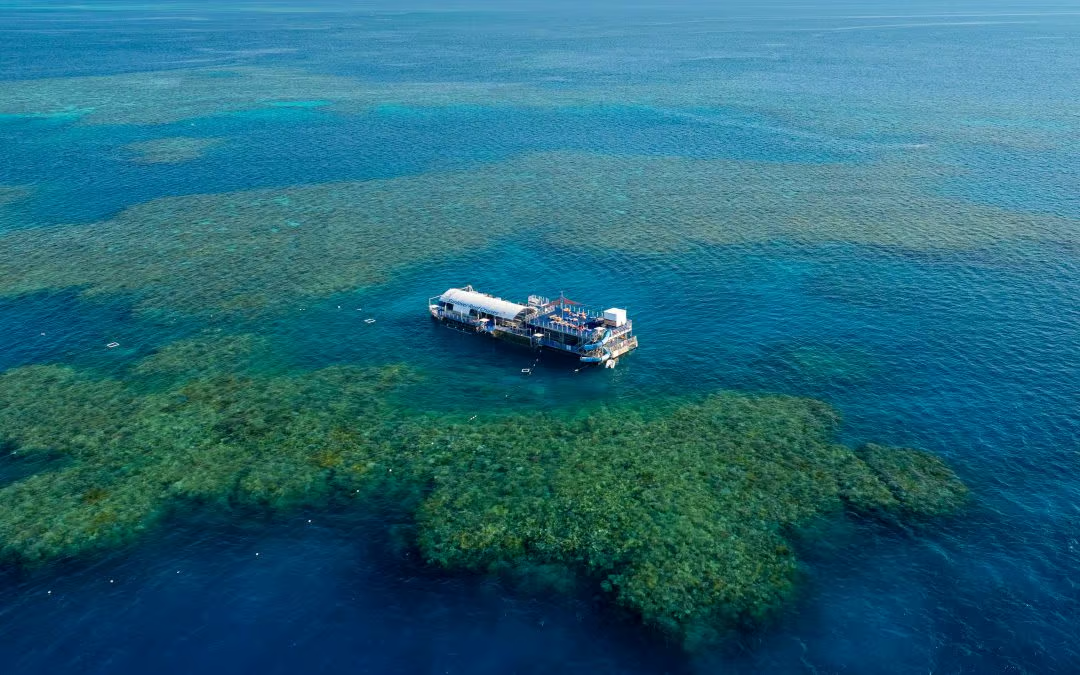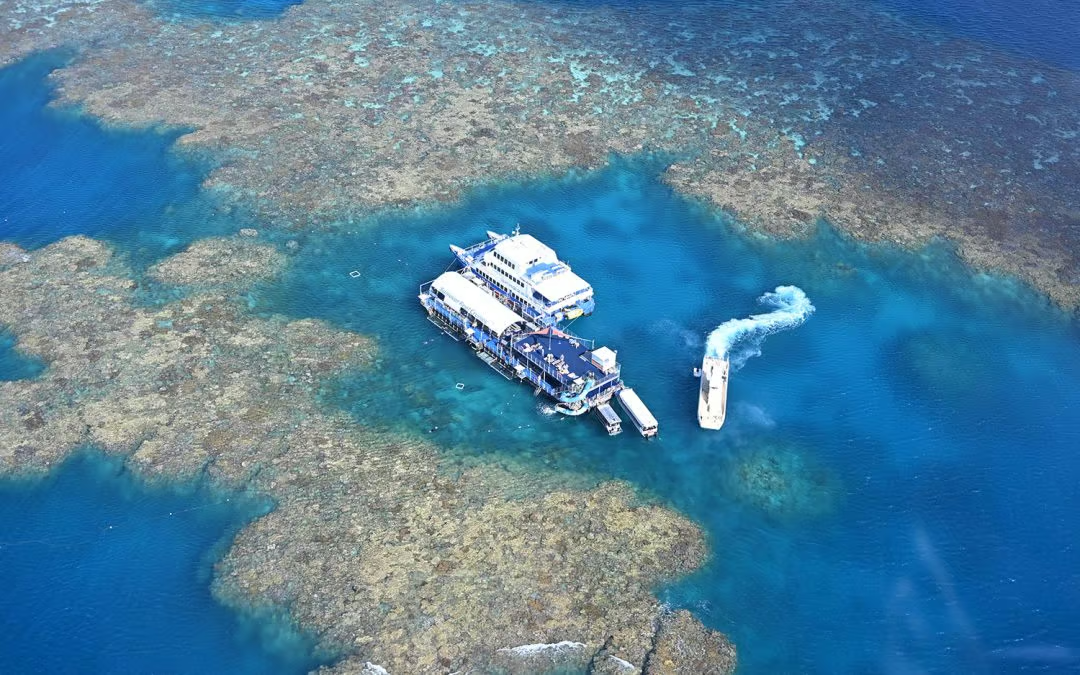
The Great Barrier Reef is one of the world’s most spectacular natural wonders — and it’s right here on our doorstep. As visitors, we all share a responsibility to help protect this UNESCO World Heritage site so future generations can experience its magic. The good news? Protecting the reef doesn’t require big sacrifices. Small, thoughtful choices made during your trip can have a huge collective impact.
Quick answer: what’s the easiest way to help protect the Great Barrier Reef?
Choose reef-safe sunscreen, avoid single-use plastics, never touch or take coral or marine life, and follow your crew’s guidance — small habits like these, multiplied across every visitor, add up to a real difference.
Key takeaways
- Reef-safe, mineral-based sunscreen protects coral from the chemicals in many standard sunscreens.
- Cutting single-use plastics — from drink bottles to shopping bags — reduces one of the reef’s biggest threats.
- “Look, don’t touch” applies to coral, shells and marine life alike; even gentle contact can cause damage.
- Onboard choices matter too — supporting sustainable food and drink partners, and following crew briefings, are part of protecting the reef.
- Sharing what you learn helps spread reef-safe habits to other travellers.
1. Choose reef-safe sunscreen
Many sunscreens contain chemicals that are harmful to corals. Opt for a mineral-based alternative like SunButter Reef Safe Sunscreen, available onboard — it’s Australian-made, eco-certified, and safe for marine life.
2. Hydrate without the plastic
Single-use plastics are one of the greatest threats to ocean health. Instead of disposable bottles, refill with Wallaby Water in endlessly recyclable aluminium twist-top cans, available onboard.
3. Support sustainable producers
When you sip a glass of wine onboard, you’re supporting sustainable winemaking practices. Sunlover’s partnership with Small Things Wine showcases premium Margaret River wines packaged in recyclable cans — responsible indulgence at its best.
4. Travel with a reusable bag
Bring along a foldable tote bag for souvenirs and snacks to avoid unnecessary plastic bags. It’s a small swap that adds up to a big difference.
5. Respect marine wildlife
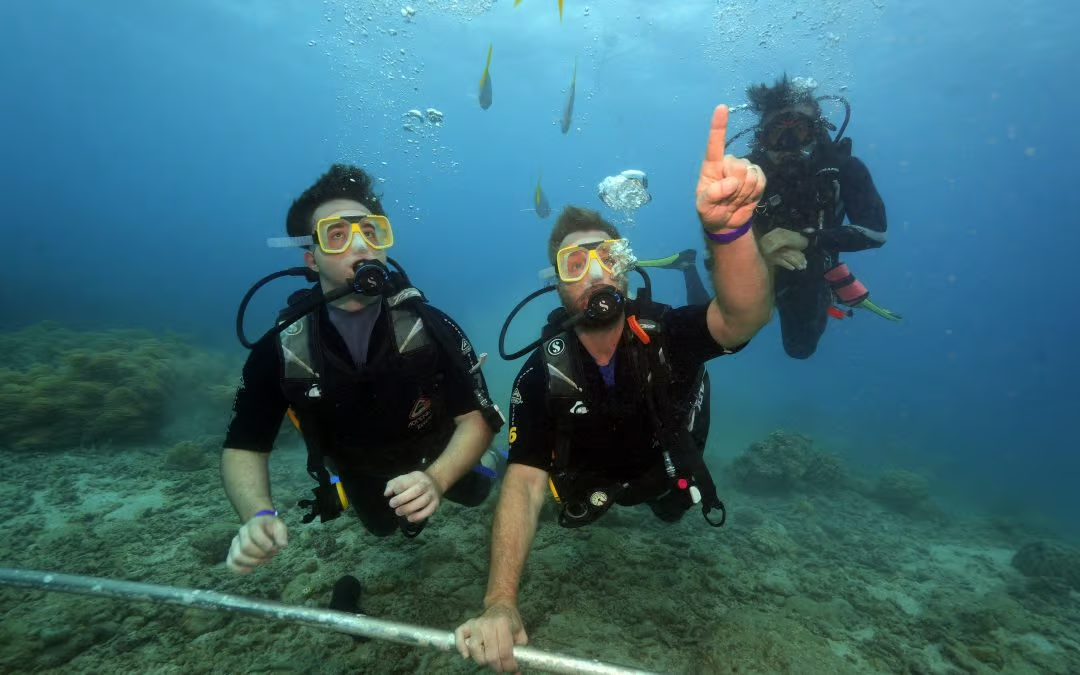
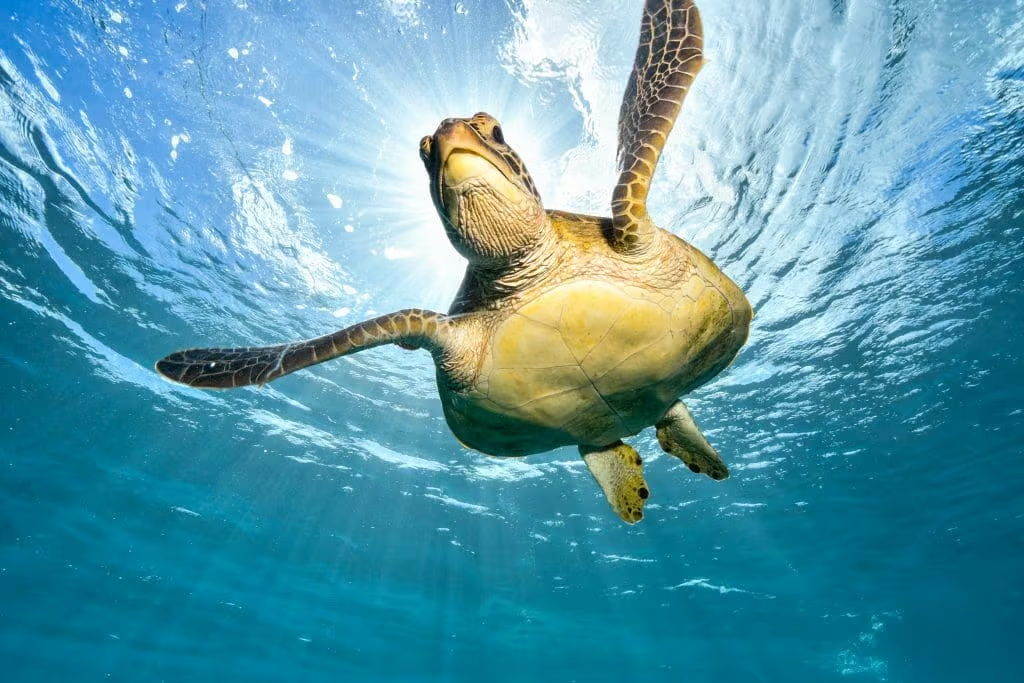
Look, don’t touch. Resist the urge to chase, stand on, or handle corals and animals. Keeping your fins and hands away helps ensure the reef thrives.
6. Follow your crew’s guidance
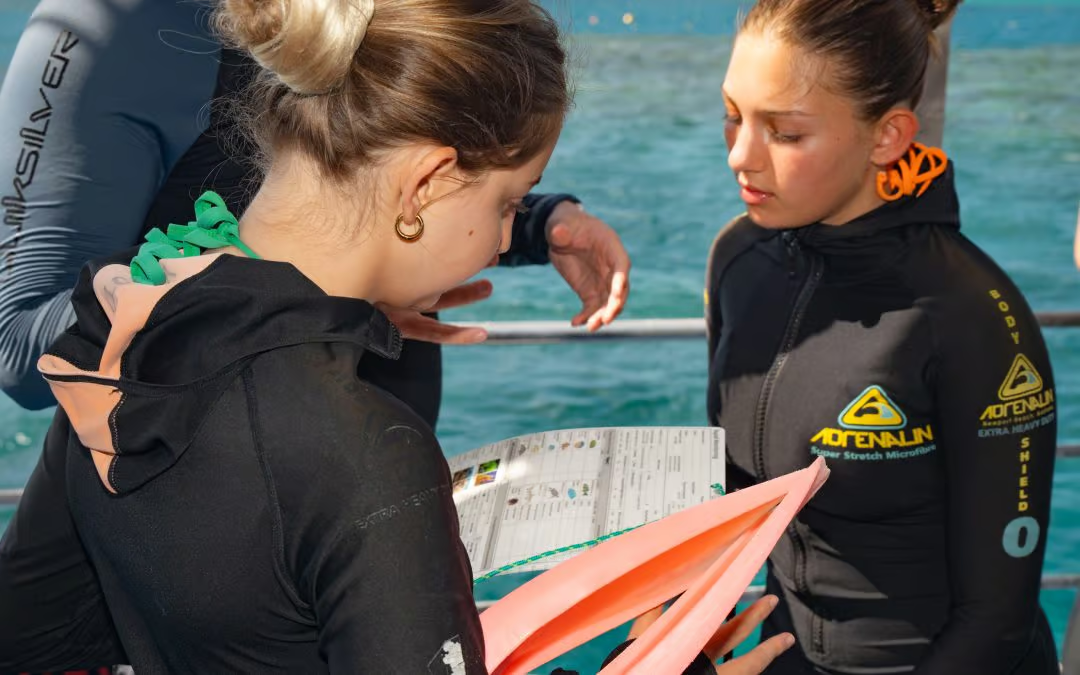
Sunlover crew are trained in reef-protection best practices. Listen carefully to safety briefings and snorkelling tips — they’re designed to keep you and the reef safe.
7. Reduce your carbon footprint
Offsetting your flights, using public transport to the marina, or even walking when possible all help reduce emissions. Every step counts toward protecting reef ecosystems from climate stress.
8. Take only photos, leave only bubbles
Shells, coral fragments and marine life belong to the reef — not your suitcase. Capture memories with your camera and leave the reef exactly as you found it.
9. Dispose of rubbish responsibly
Place all waste in the bins provided onboard and never throw anything into the ocean. Even biodegradable items like food scraps can harm marine life.
10. Share the message
One of the most powerful things you can do is inspire others. Share your reef-safe choices on social media and let your friends know how easy it is to travel responsibly.
At Sunlover, we’re proud to champion sustainability, and we invite every guest to join us in protecting this incredible natural wonder. Because together, little actions create a big impact.
What is reef-safe sunscreen?
Can I bring my own reusable water bottle on a reef tour?
Is it okay to touch coral or marine life while snorkelling?
What’s the single easiest way to help protect the reef?
Travel with a reef-safe operator
See how Sunlover’s sustainability commitments go beyond the tips above.