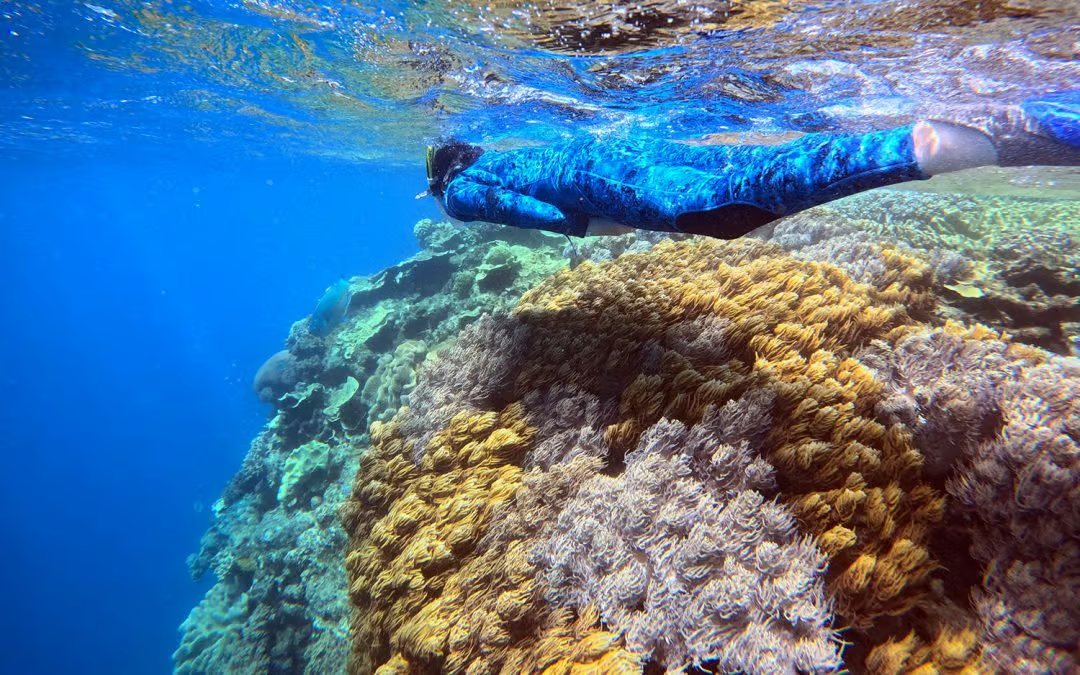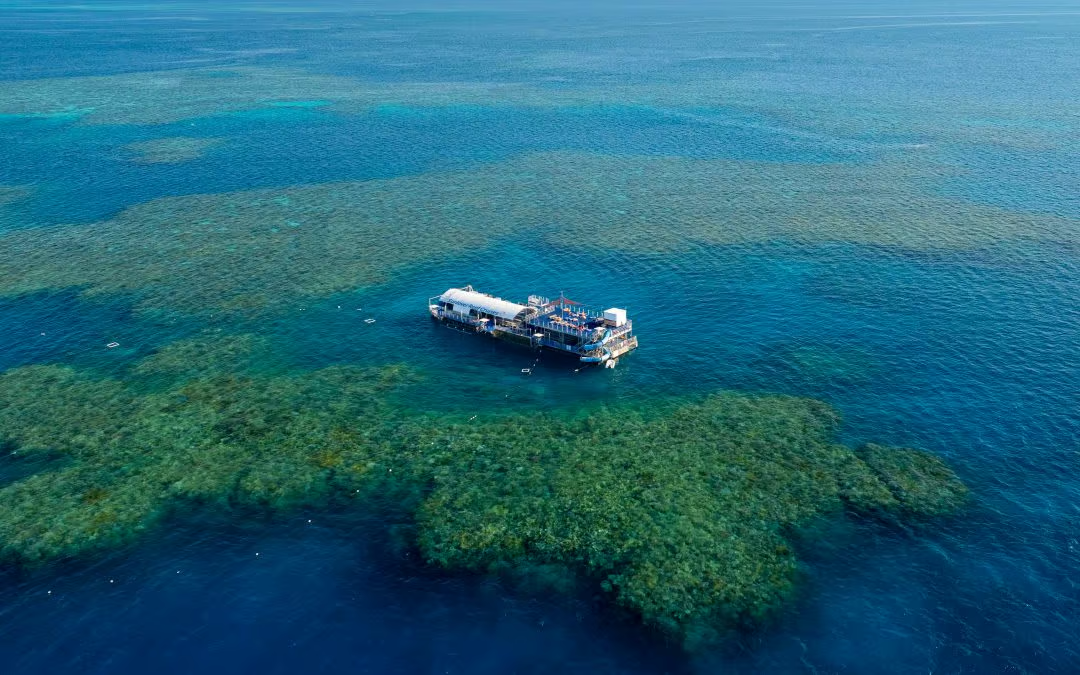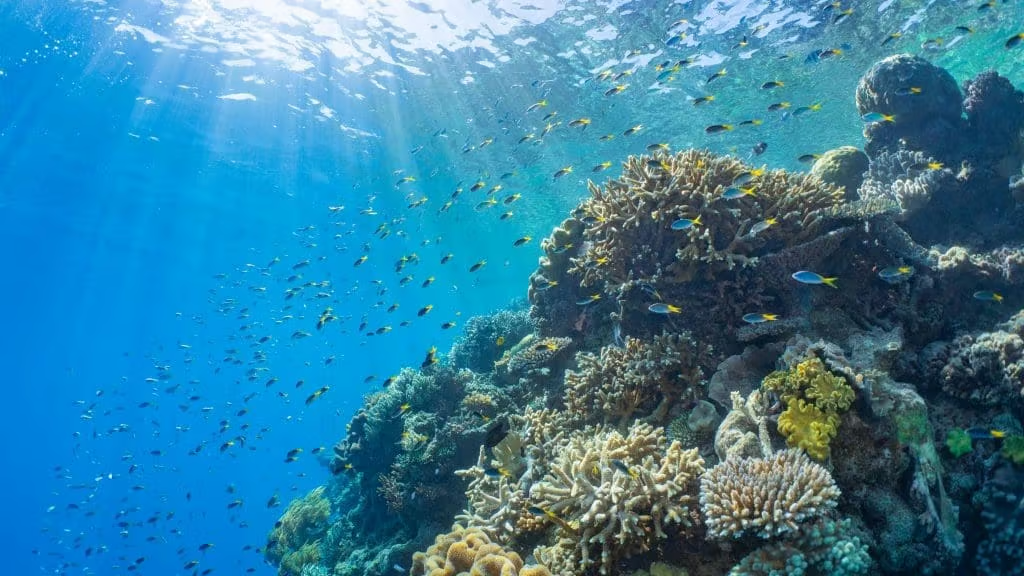
The Great Barrier Reef is one of the most closely watched ecosystems on the planet, and headlines about ocean temperatures and coral bleaching turn up almost every year. What doesn’t always make the news is that large parts of the reef, including the sections Sunlover visits daily at Moore Reef, remain vibrant, colourful and full of life. At Sunlover Reef Cruises, we believe the reef doesn’t just need advocates back home — it needs witnesses on the water.
Quick answer: does visiting the Great Barrier Reef actually help protect it?
Yes. Visiting with an eco-certified operator funds the marine research, reef education and on-water monitoring that keep the reef healthy, and it turns every guest into someone who has seen the reef firsthand and can speak up for it.
Key takeaways
- Coral bleaching is a real and ongoing risk, driven by rising ocean temperatures, but it doesn’t affect every reef equally — some sites stay vibrant even in a stressful year.
- Sustainable tourism plays a genuine role in reef protection: visitor fees and on-water operators help fund monitoring, research and education.
- Eco-certified operators work alongside marine biologists, Indigenous communities and reef researchers, rather than simply running tours through the area.
- Responsible travel habits — reef-safe sunscreen, staying within snorkel zones, no touching coral or marine life — make a measurable difference at scale.
- Seeing the reef in person, and understanding what’s at stake, turns visitors into advocates long after the trip ends.
Coral bleaching and reef health: what’s actually happening
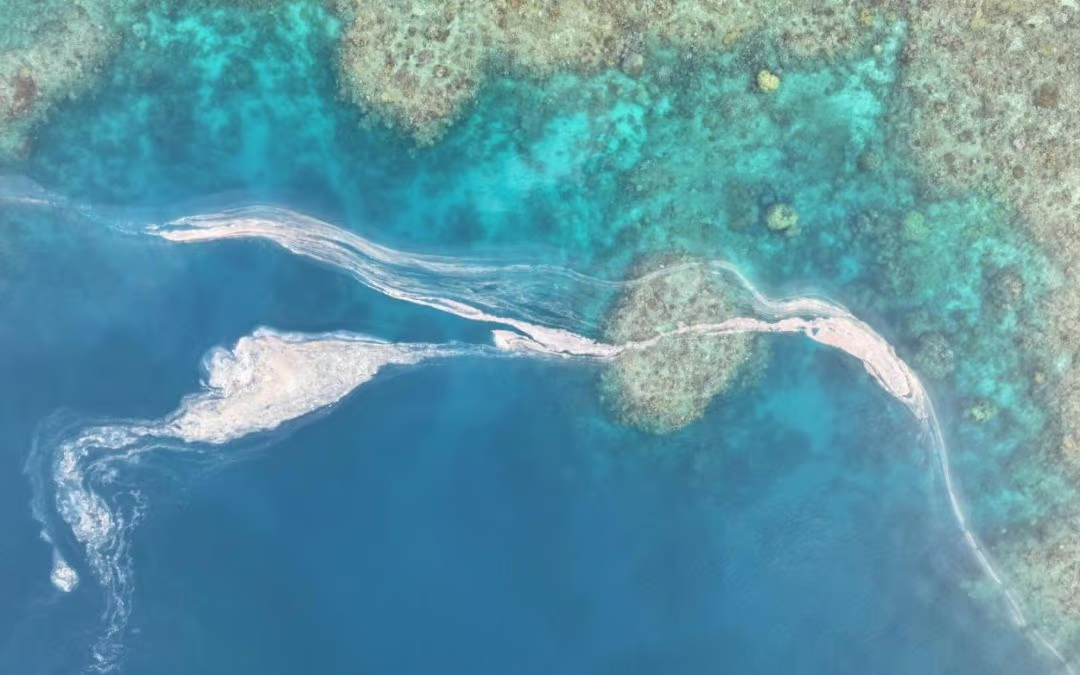
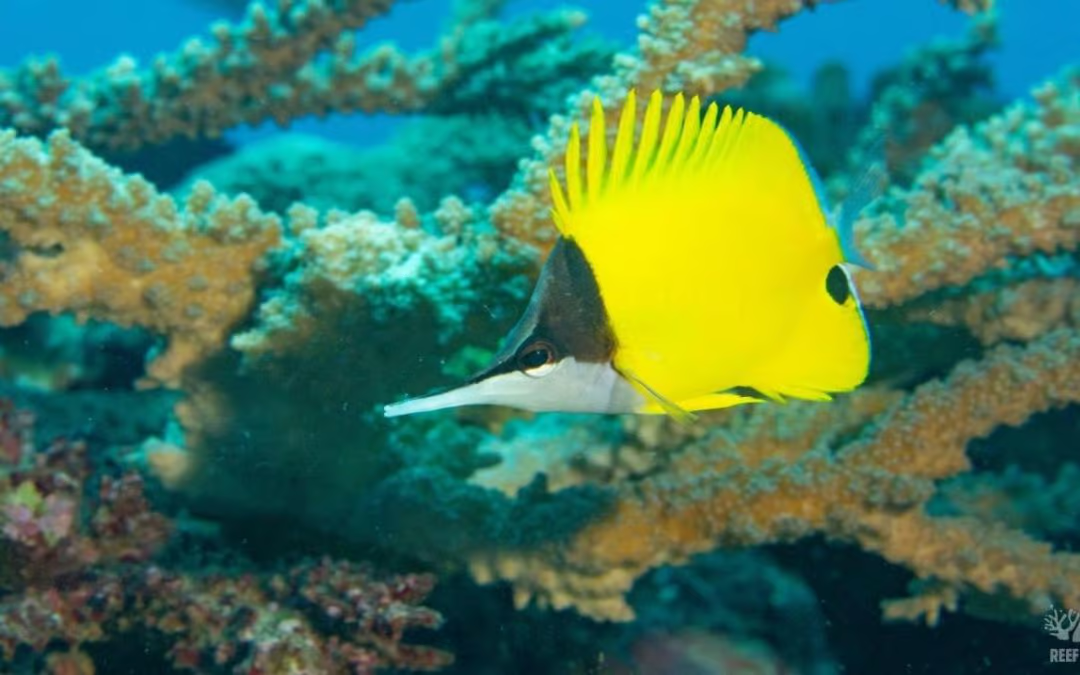
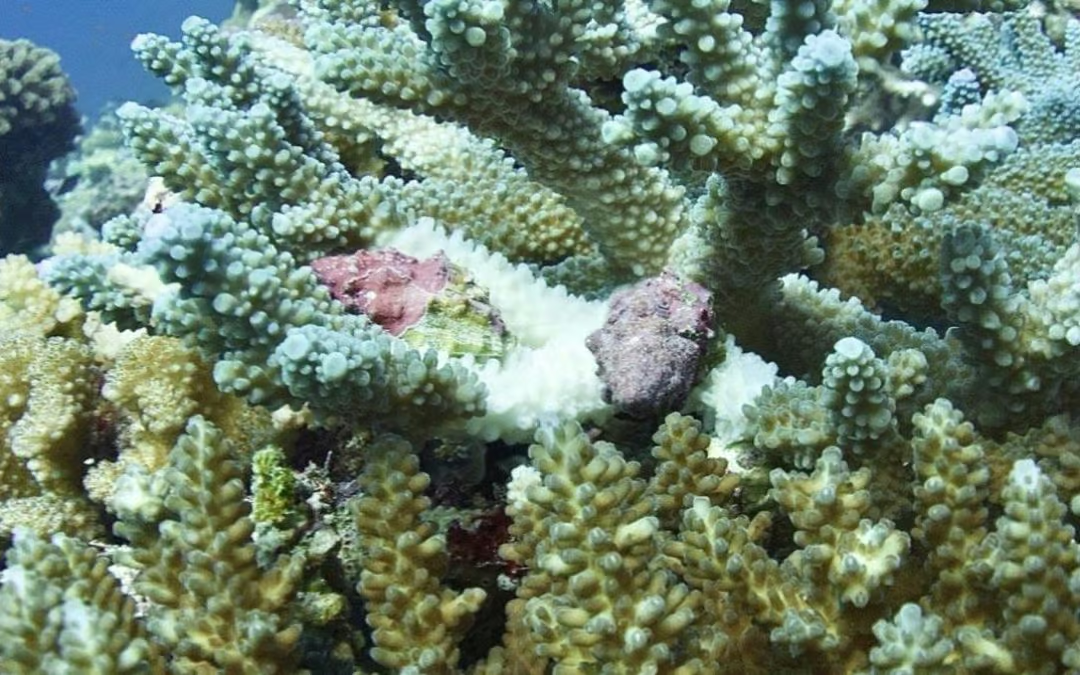
Coral bleaching happens when unusually warm water stresses coral, causing it to expel the algae that give it colour and much of its food supply. It’s a genuine concern for the Great Barrier Reef and is monitored closely by marine scientists year-round. But bleaching isn’t uniform — some reef systems are hit harder than others in any given year, while sites like Moore Reef and Fitzroy Island continue to show healthy coral cover, curious marine life and thriving ecosystems. The reef is resilient, but that resilience depends on ongoing protection.
Why visiting with an eco-certified operator makes a difference
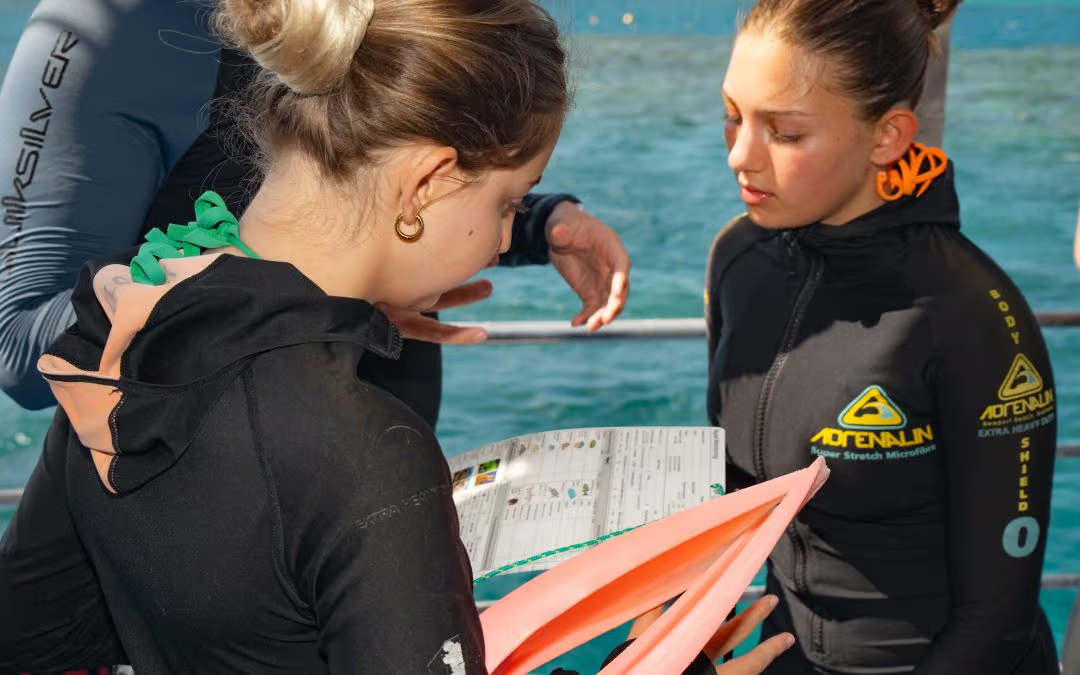
Choosing an eco-certified operator means your visit is doing more than sightseeing. Sunlover works alongside marine biologists, Indigenous communities and local researchers to make sure reef tourism supports the reef rather than straining it. Every visit helps fund marine research, reef education programs and long-term conservation work — and you still get a full day of snorkelling, diving and island time on top of it.
How to travel responsibly on the reef
Small habits, multiplied across thousands of visitors a year, add up to a real difference:
- Wear reef-safe sunscreen (avoid oxybenzone and octinoxate).
- Listen carefully to your crew’s briefing before you get in the water.
- Stay within the marked snorkel zones.
- Take only photos — never coral, shells or other marine life.
The reef is very much alive, and it needs travellers who care enough to protect it, not just admire it from a distance.
Is the Great Barrier Reef still healthy?
Does visiting the reef harm it?
What is coral bleaching?
What does “eco-certified” mean for a reef tour operator?
How can I travel responsibly on the reef?
See the reef for yourself
Every visit with an eco-certified operator helps fund the research and education that keep the Great Barrier Reef healthy. Come and be a witness to it.
Sources: Australian Institute of Marine Science, Great Barrier Reef Marine Park Authority, Resilient Reefs Foundation, Ecotourism Australia.