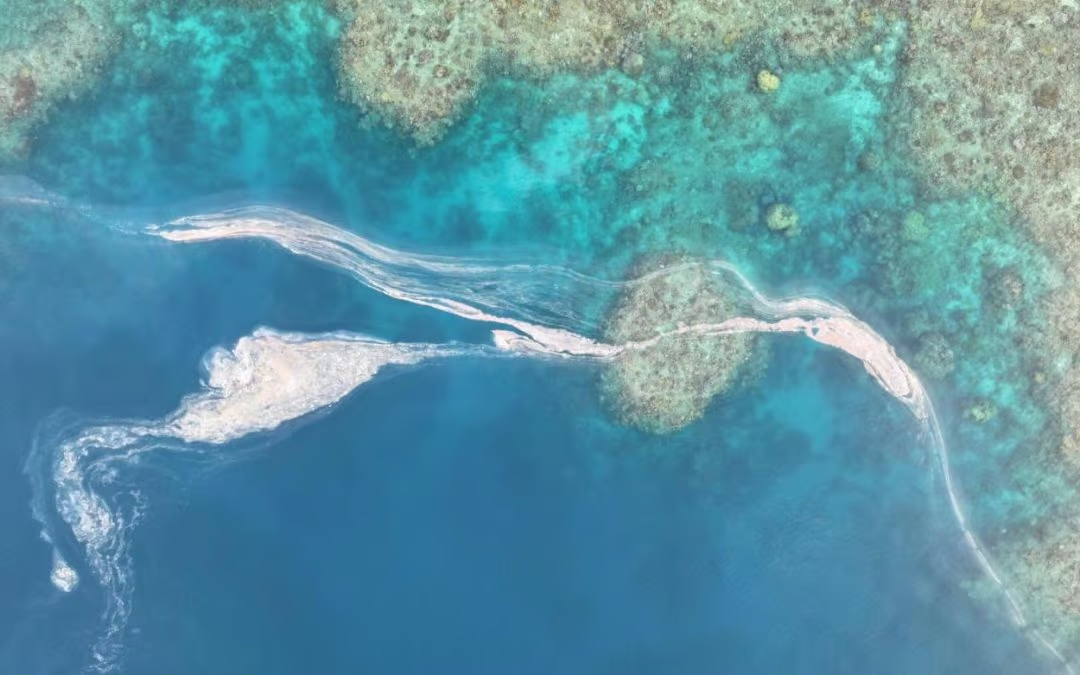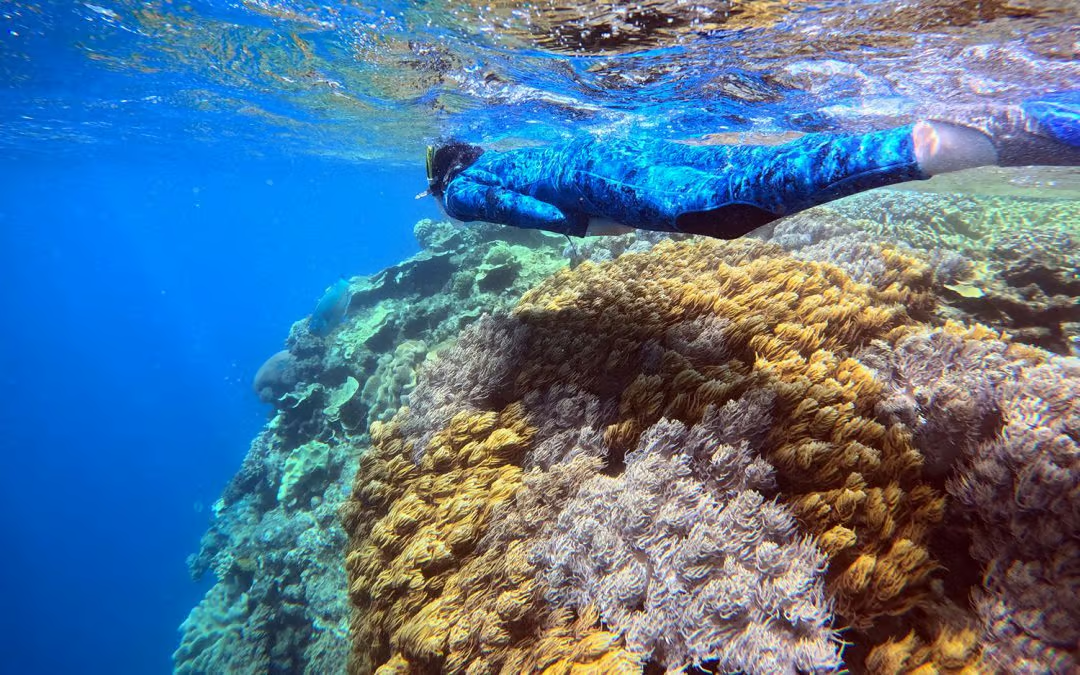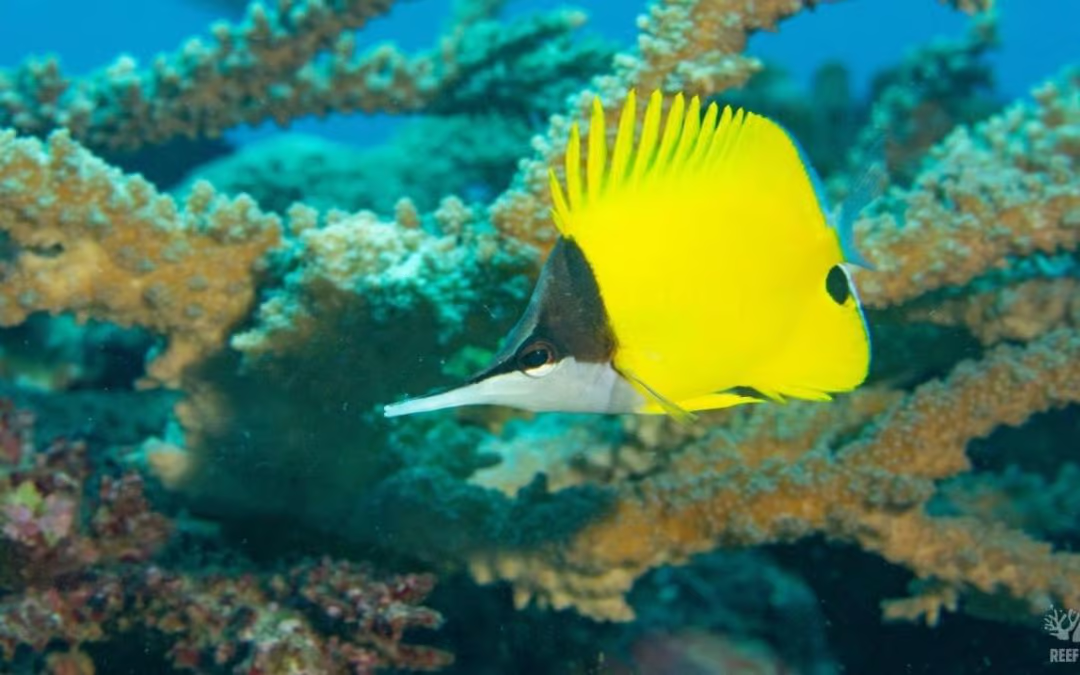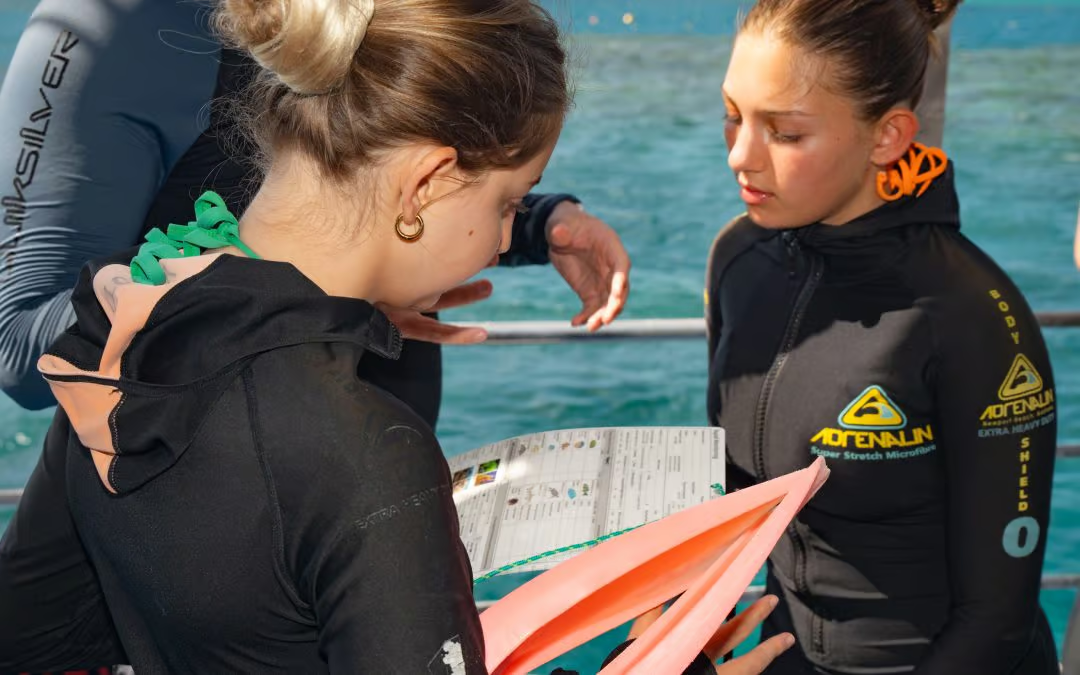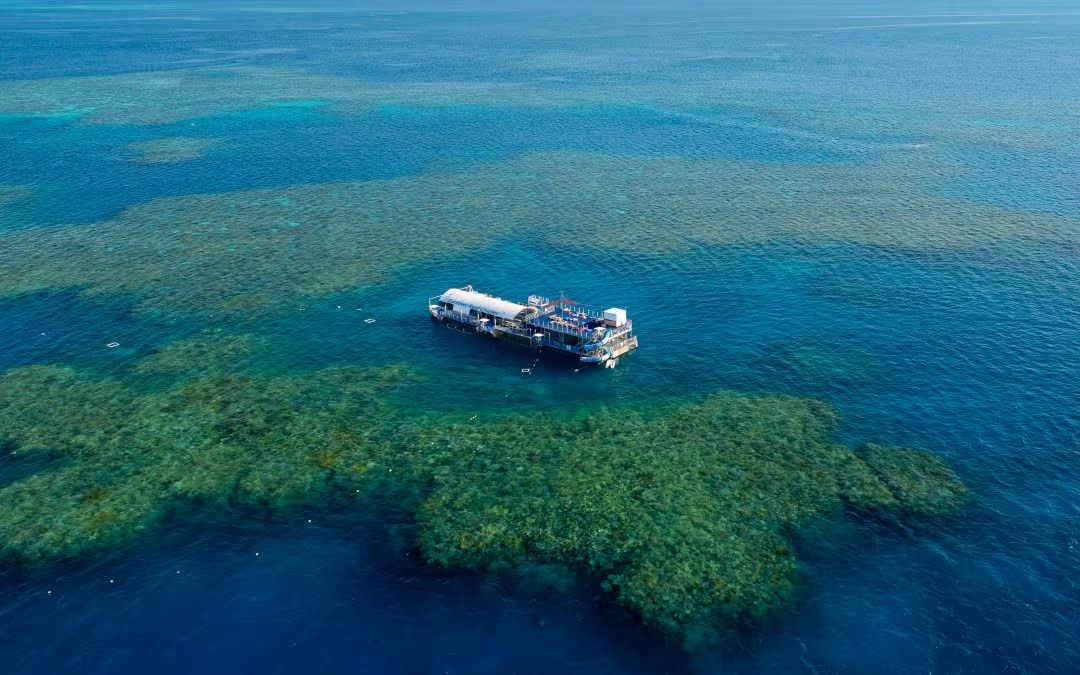
The Great Barrier Reef is a world icon — an ancient, living system teeming with life and wonder. It’s also one of the most closely watched ecosystems on the planet, and its scale and significance have seen it repeatedly put forward for major international environmental recognition. At Sunlover Reef Cruises, we believe the way you visit matters as much as the fact that you do, so we don’t just show you the reef — we help you protect it.
Quick answer: how can I be a more sustainable reef visitor?
Use reef-safe sunscreen, never touch or remove coral or marine life, cut back on single-use plastics, dispose of waste responsibly, and book with an eco-certified operator whose visitor fees go directly toward reef conservation. Small habits, multiplied across thousands of visitors, add up to a real difference.
Key takeaways
- The Great Barrier Reef’s global significance has made it the focus of major international environmental campaigns and recognition efforts over the years.
- Reef-safe, mineral-based sunscreen (free of oxybenzone and octinoxate) protects coral from chemical damage.
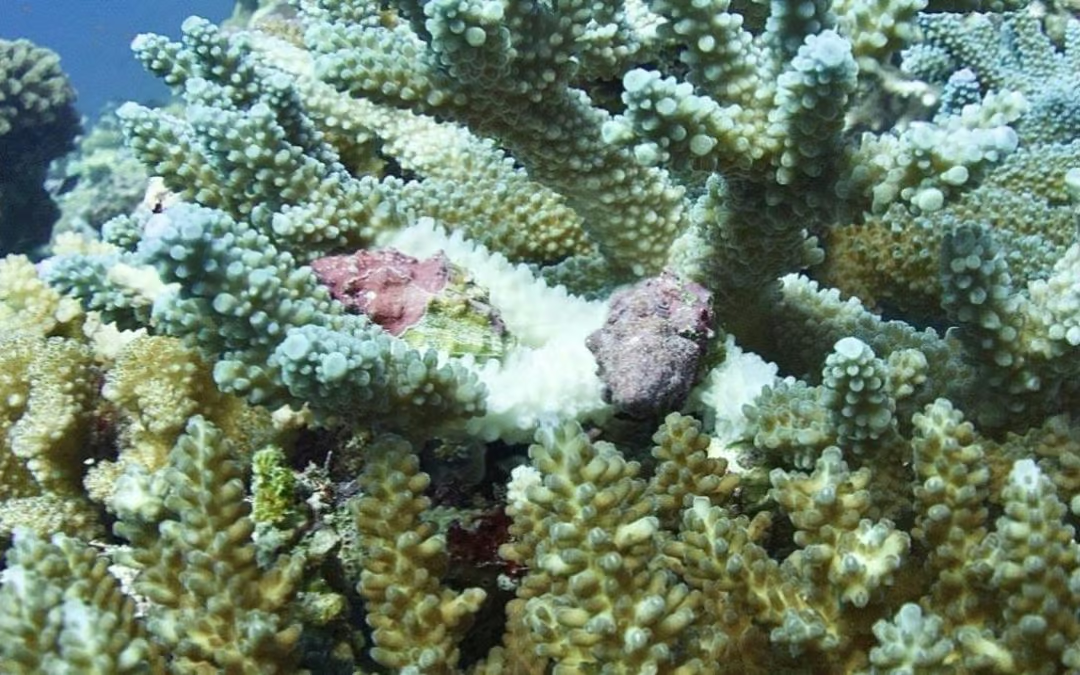
- “Take only photos, leave only footprints” — never touch, stand on, or collect coral, shells or marine life.
- Cutting single-use plastics and packing sustainable travel gear both reduce your footprint before you even reach the water.
- Booking with an eco-certified operator means your visit helps fund the Great Barrier Reef Marine Park’s conservation work through the Environmental Management Charge included in every reef trip.
A world icon under a global spotlight
The Great Barrier Reef’s scale, biodiversity and cultural significance have made it a focus of major international environmental recognition efforts, including campaigns backed by tourism bodies, conservation groups and government partners to raise its profile on the world stage. Whatever the outcome of any particular campaign, the underlying message stays the same: the reef is a globally significant living system worth protecting, and every visitor plays a part in that.
Small changes, big impact: eco-travel tips for reef visitors
- Choose reef-safe sun protection. Opt for mineral-based sunscreen free from oxybenzone and octinoxate — 2 chemical UV filters proven to harm coral. Look for products labelled “reef-safe” and check the ingredients list before you buy.
- Take only photos, leave only footprints. Never touch, stand on, or collect coral, shells, or any marine life. Even gentle contact can damage delicate coral structures that have taken decades to grow.
- Reduce single-use plastics. Bring a reusable water bottle, reusable bags, and your own snacks in reusable containers.
- Pack sustainable travel gear. Choose swimwear, towels and clothing made from recycled or organic materials, and avoid fast-fashion synthetics that shed microplastics when washed.
- Dispose of waste responsibly. Use the bins provided onboard and at the reef. If you see rubbish in the water, report it or help collect it safely, and never feed fish or other marine life.
- Consider offsetting your travel. Supporting verified environmental projects can help counterbalance the footprint of getting to the reef.
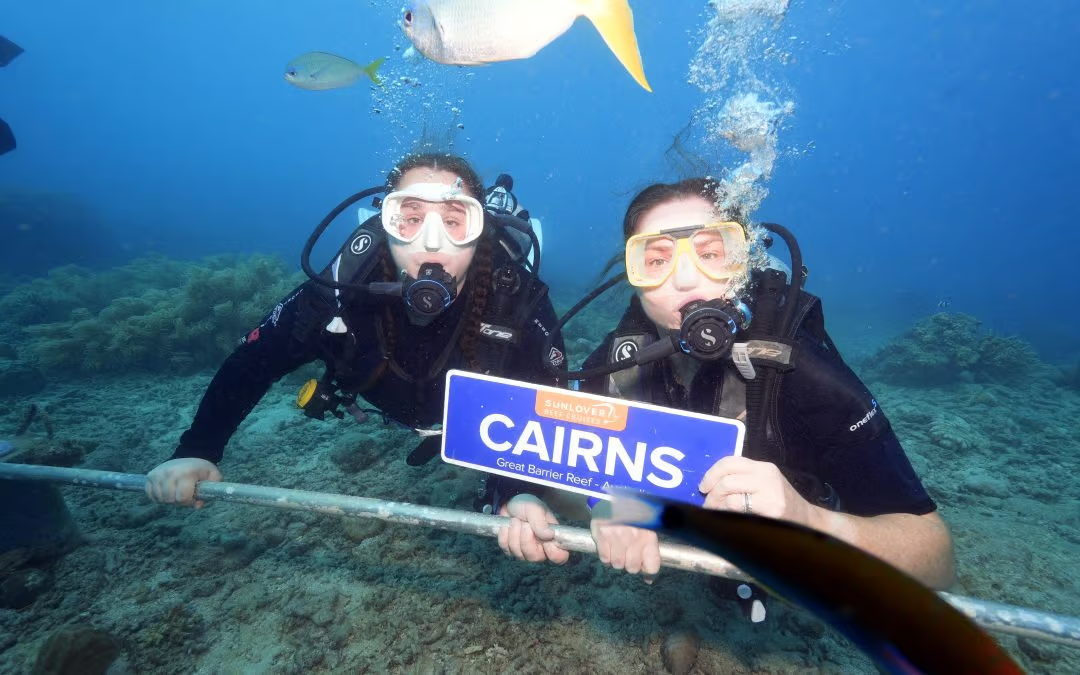
- Book with eco-certified operators. Sunlover Reef Cruises is committed to sustainable reef tourism, and every visit includes an Environmental Management Charge that goes directly toward Great Barrier Reef Marine Park conservation activities.
- Continue the conservation at home. Reducing household energy use, cutting food waste and rethinking transport choices all add up alongside what you do on the water.
What does “reef-safe” sunscreen actually mean?
What is the Environmental Management Charge?
Can I touch or collect coral and shells on a reef trip?
What can I do at home to support reef conservation?
Visit the reef, responsibly
Every eco-certified trip helps fund the conservation work that keeps the Great Barrier Reef thriving for the next generation.