Melbourne has a diving scene that punches well above what most people expect, and it also has the coldest water of any Australian capital. Both of those facts matter if you are deciding where to get certified.
Melbourne’s dive sites are genuinely world-class. Melbourne’s water in September is around 13 degrees, which makes it a demanding place to do your very first dives.
Learn somewhere warm, then come back and dive Melbourne properly with the skills already in place. That is the order most experienced divers would recommend, and it is not a sales line.
Melbourne diving is better than outsiders think
Port Phillip Bay and the heads are not a consolation prize. The pier diving at Blairgowrie, Rye and Portsea is regularly described as among the best temperate diving anywhere, and it is the kind of diving people build entire hobbies around.
Weedy seadragons. Giant cuttlefish. Spider crab aggregations in winter that draw film crews. Octopus, seahorses, nudibranchs — an extraordinary density of small, strange, photogenic life that tropical reefs simply do not have.
Then there are the wrecks. The scuttled ships in the bay and the J-class submarines are serious dives with serious history attached.
None of that is in dispute. The question is not whether Melbourne is worth diving. It is whether Melbourne is where you want to be on the day you first put a regulator in your mouth.
The temperature problem
Here is the number that decides this for most people.
Thirteen degrees is not “a bit chilly”. It means a 7mm wetsuit with a hood and gloves at minimum, and plenty of Melbourne divers move to drysuits — which is a genuinely different skill requiring its own training.
Consider what that does to a first dive. You are trying to learn buoyancy control while wearing enough neoprene to change how you float, with gloves reducing what your hands can feel, a hood affecting your hearing and your ear clearing, and cold steadily eroding your patience and your air consumption.
People manage it. Melbourne certifies divers every week of the year and they turn out fine. But they are learning two things at once — how to dive, and how to dive cold — and only one of those was on the syllabus.
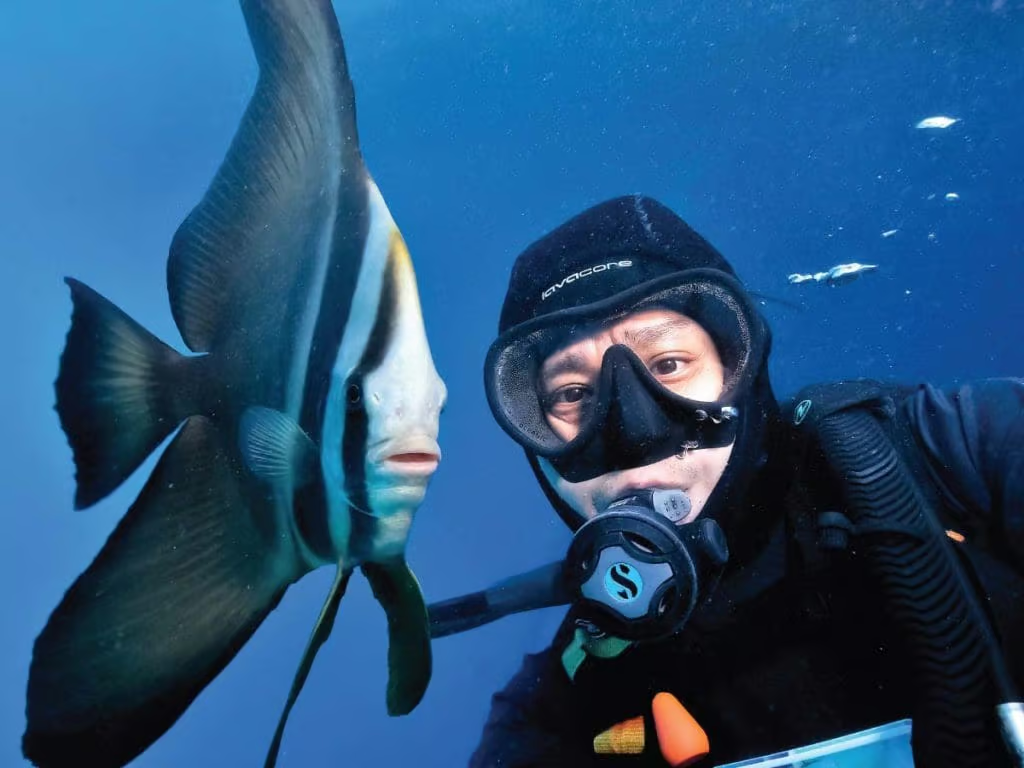
What twelve degrees warmer actually buys you
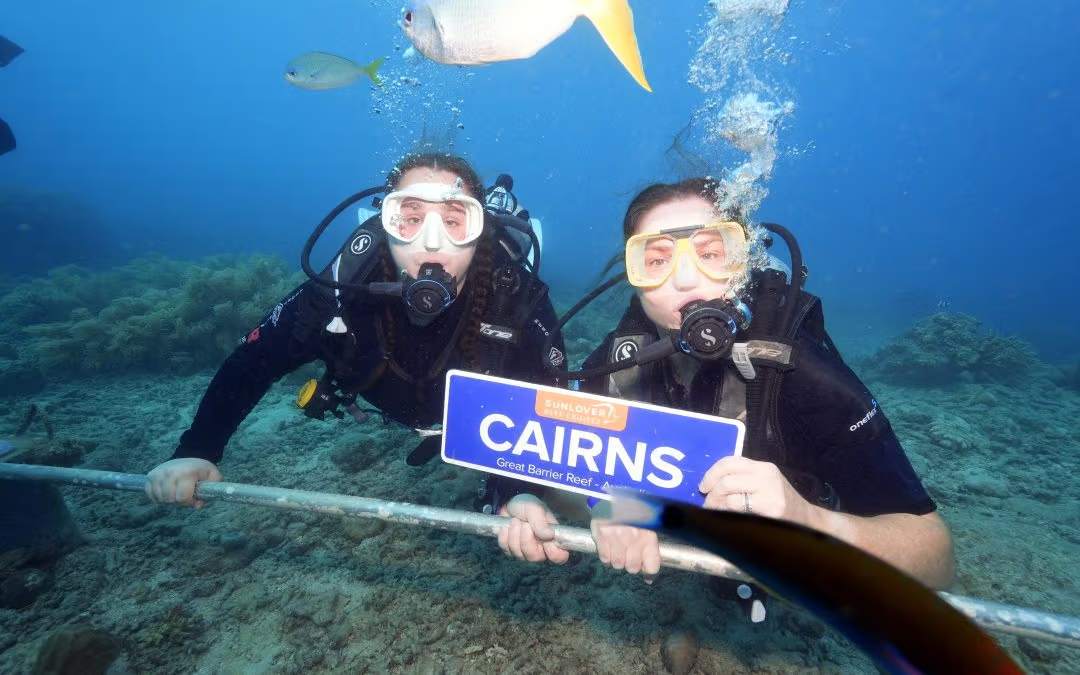
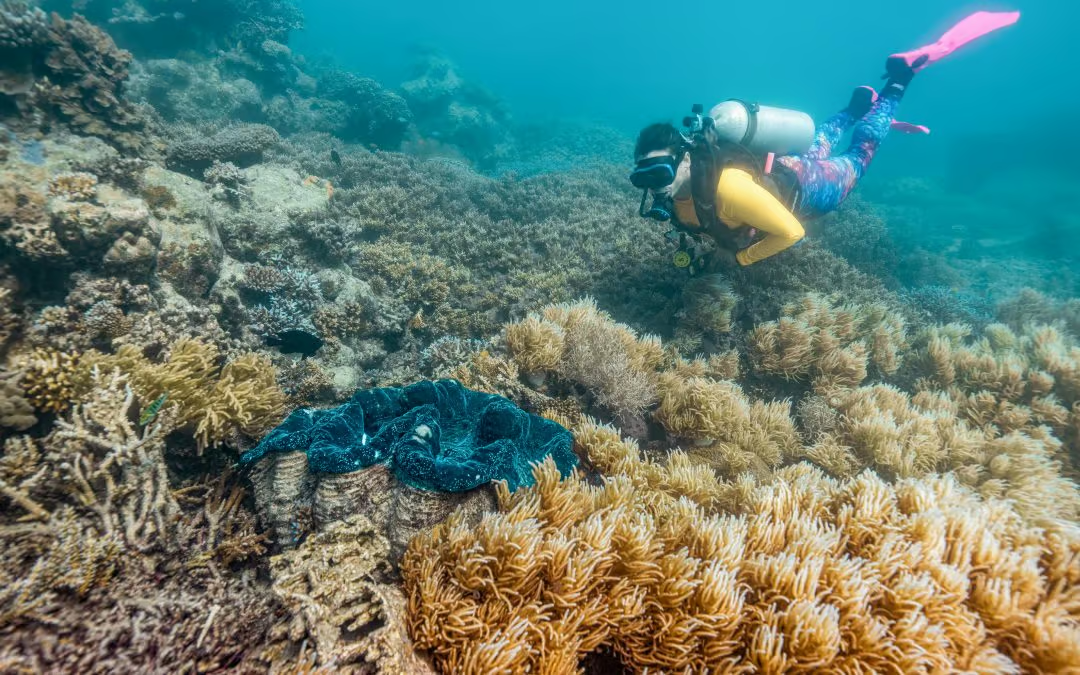
At Moore Reef the water sits around 25 degrees. A thin wetsuit, no hood, no gloves. Your hands work. Your ears clear more easily. You are not counting down to the end of the dive.
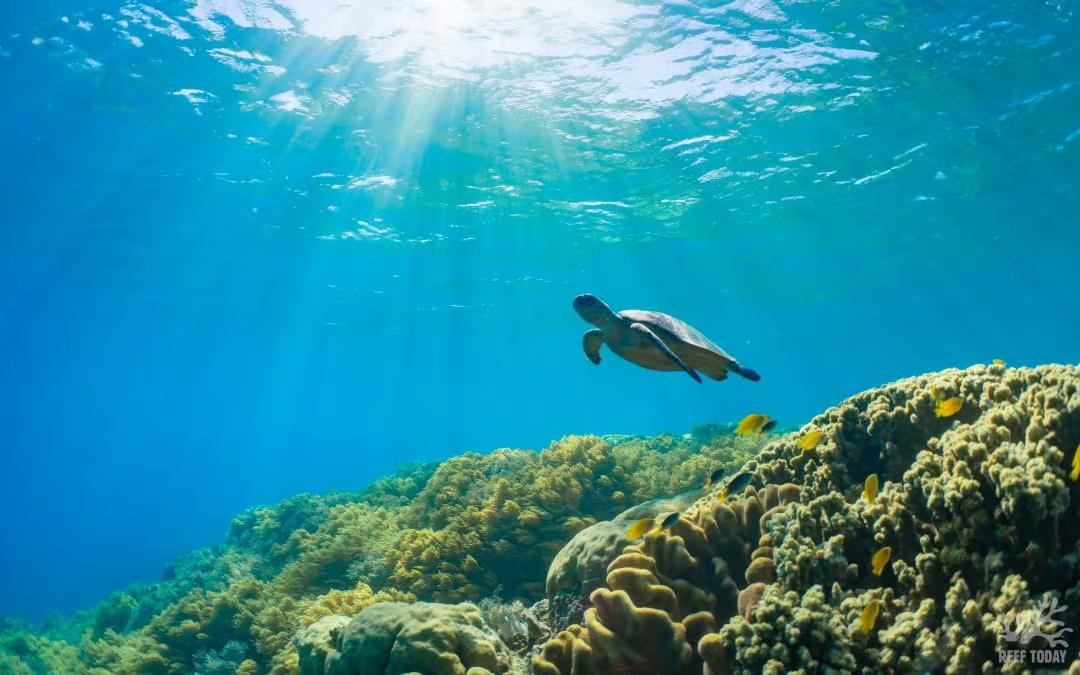
Visibility is the other half of it — routinely tens of metres, against Port Phillip’s swing between very good and very ordinary depending on wind and rain. Learning to clear a mask is a different experience when you can see your instructor’s face while doing it.
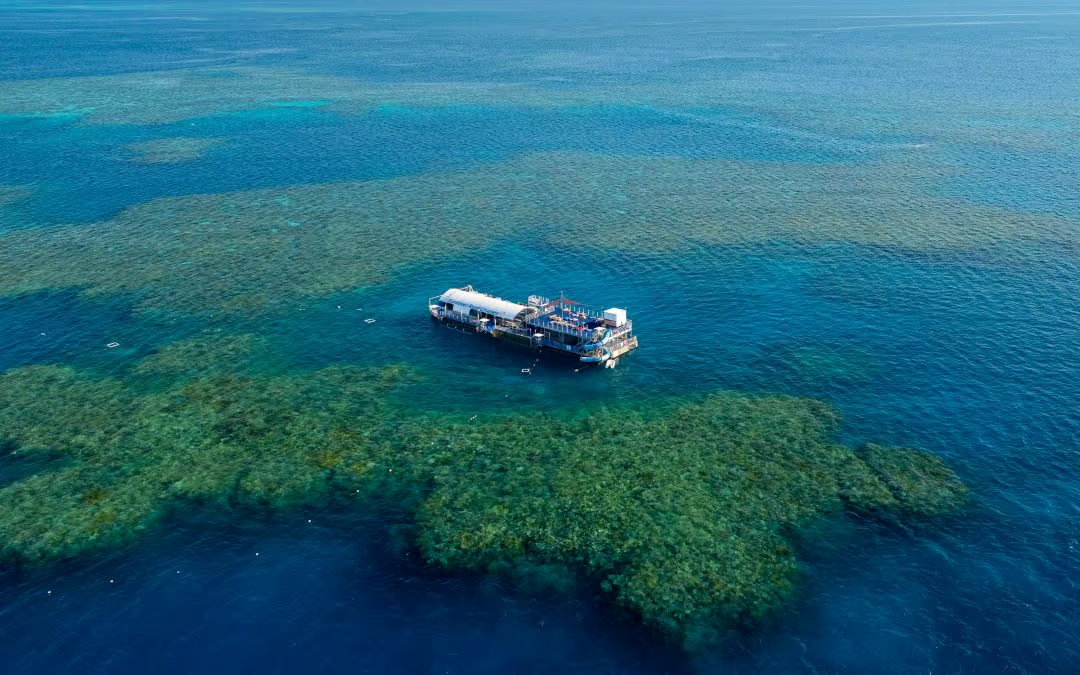
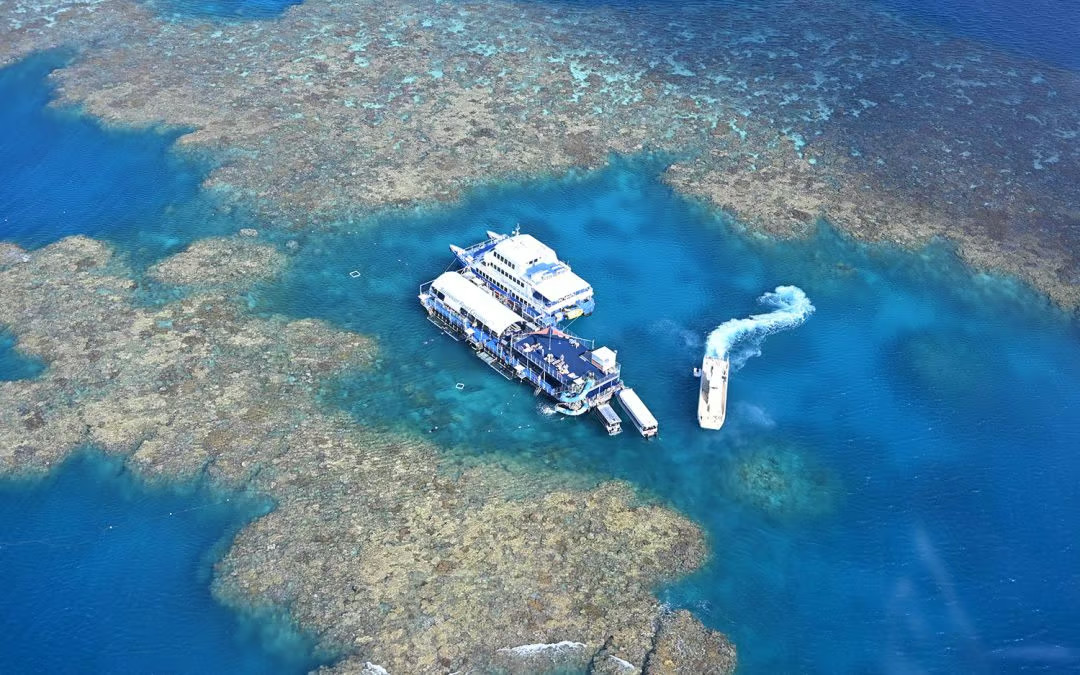
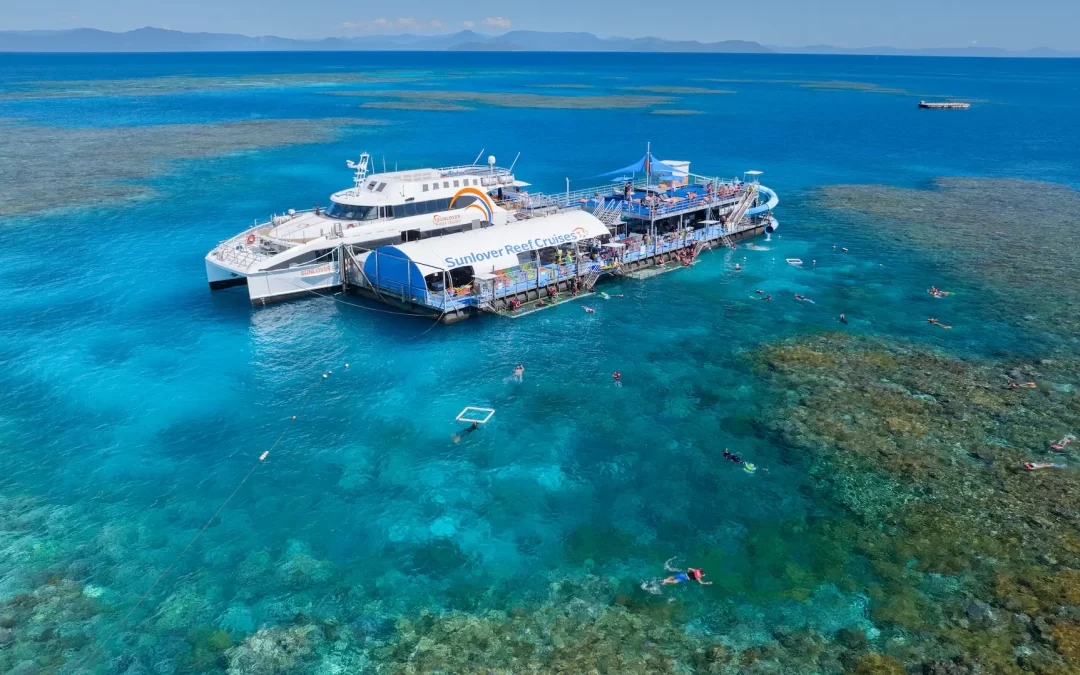
And you enter from a fixed platform moored on the reef rather than a pier ladder or a beach. No swell to time, no surge, nothing to manage on the way in.
The point is not that warm diving is better diving. It is that removing cold, murk and awkward entries leaves more of your attention for the thing you are actually trying to learn.
The cost, honestly
A Melbourne course will usually come in below our $1,030, and that is a real difference, not one we are going to talk you out of.
What we would say is that the comparison only means something if you were not coming to Queensland anyway. If a reef trip is already on your list, the true cost of certifying here is the gap between the two course prices — not the flights and the accommodation, which you were spending regardless.
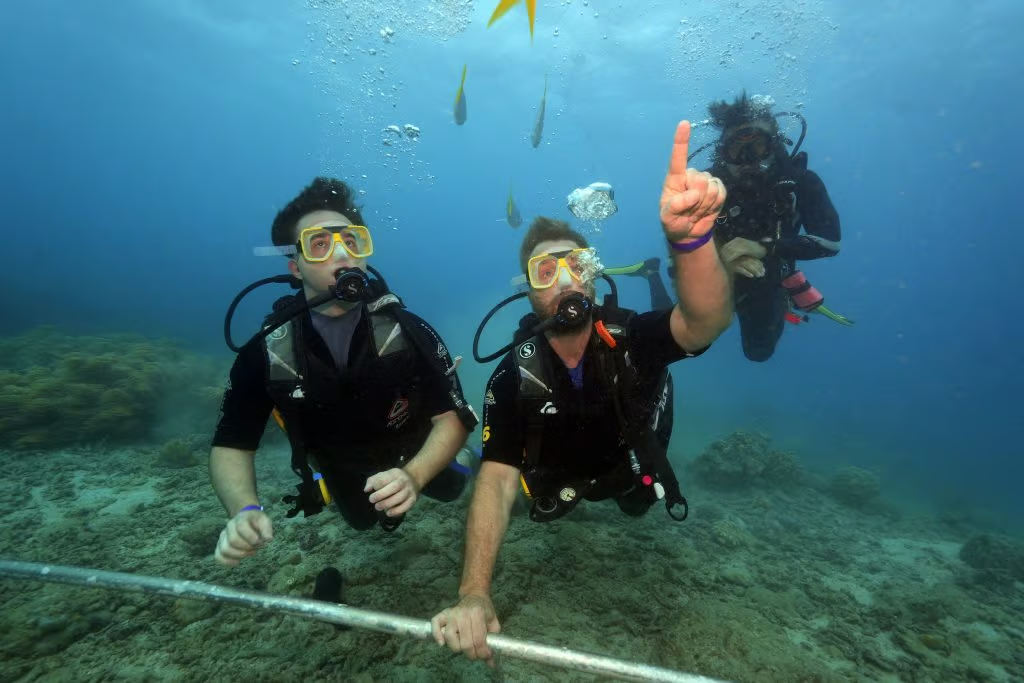
Our $1,030 covers online study, three days at the pontoon, nine training dives, all equipment, reef fees and certification. Full breakdown of what moves dive course pricing is here.
The option most people miss
Referral. Do your theory and confined-water skills with a Melbourne dive centre — in a heated pool, close to home, spread over evenings — then complete your open-water dives on the Great Barrier Reef.
You get the comfort of learning the basics locally and the payoff of doing your qualifying dives somewhere you will actually remember. It also uses far less of your holiday. Most Melbourne centres arrange these routinely.
Which way to go
Certify in Melbourne if you intend to dive Port Phillip regularly, you are comfortable in cold water already, budget is the deciding factor, or you want to train across several weekends rather than in one block.
Certify on the reef if you are coming to Queensland anyway, cold water genuinely puts you off, you want your first dives to be worth remembering, or you have four or five clear days.
And if you do learn up here, come back and dive the piers. The skills transfer directly — you will just need to get used to the neoprene.
Common questions
Is a warm-water certification taken less seriously?
No. An Open Water certification is one qualification with one standard, wherever it is issued. What varies is your logged experience, and that accumulates wherever you dive.
Will I struggle in Port Phillip afterwards?
The first cold dive is an adjustment for everyone, warm-water certified or not. A couple of guided local dives sorts it. Some centres run short cold-water orientation sessions.
How long do I need in Cairns?
Five days is comfortable for a three-day course, six if you want room for weather. Leave a clear day before flying — at least eighteen hours after your final dive.
Best time of year to come?
September to December is generally calmest and clearest, and it is when courses fill fastest.
Can my partner come if they do not dive?
On a pontoon-based course, easily. They can snorkel, use the underwater observatory or simply sit in the sun while you train. On a liveaboard course, much less so.
Twenty-five degrees. Nine dives. No hood.
Our SSI courses open on 1 October 2026, running from the pontoon at Moore Reef on the outer Great Barrier Reef — maximum four divers per instructor, home in Cairns every night.
The full process is covered in our guide to getting scuba certified in Australia.