If you live in Sydney and you want to learn to dive, you have a real decision to make — and most of the pages you will find on it are written by whoever wants your booking. We want your booking too, so read this knowing that. We have tried to make it useful anyway.
Both routes give you the identical certification. Sydney is cheaper, closer, and you can spread it over weekends. The Great Barrier Reef costs more, needs a block of days, and gives you warm clear water and dives you would have paid to do anyway.
If you already dive locally or expect to, certify in Sydney. If this is a one-off and you want to remember it, certify on the reef.
What Sydney genuinely does well
Sydney is a better dive city than its reputation suggests, and we are not going to pretend otherwise to make a point.
The shore diving is unusually good. Very few major cities let you walk in off a beach and be on a decent site in 10 minutes. Sydney does, repeatedly, which means training dives cost less to run and you are not committed to a boat schedule.
The marine life is genuinely distinctive. Weedy seadragons are the obvious one — a species people fly to Australia specifically to see, and Sydney divers see them casually. Add giant cuttlefish through winter, blue gropers that follow you around, and a temperate reef ecosystem that is nothing like the tropics.
You can dive year round, close to home. This is the argument that actually wins. A certification you use 12 times a year beats one you use once, and proximity is what determines that more than anything.
You can spread it out. 2 weekends rather than 4 consecutive days. For anyone with a job and a family, that is not a small thing.
What is harder about learning there
3 things, and they all fall hardest on the first few dives — which is exactly when you are least equipped to handle them.
Cold. Sydney water sits around 17 to 19 degrees through winter and spring, which means a 5mm or 7mm wetsuit, a hood, and gloves. That is more weight, more restriction, and more to manage while you are also learning to breathe underwater and control your buoyancy. Being cold makes people rush, and rushing is the enemy of learning to dive well.
Visibility. Sydney visibility swings from excellent to a few metres depending on swell and rain. On a poor day you are learning mask clearing while barely able to see your instructor. It is doable — thousands do it — but it makes the first skills harder than they need to be.
Surf entries. Walking into water through shore break in full gear is a skill in itself, and it is one you are learning at the same time as everything else.
None of this makes Sydney a bad place to learn. It makes it a harder place to learn, and those are different claims.
What changes on the reef
The trade runs the other way. You give up proximity and price; you get conditions that remove most of the difficulty.
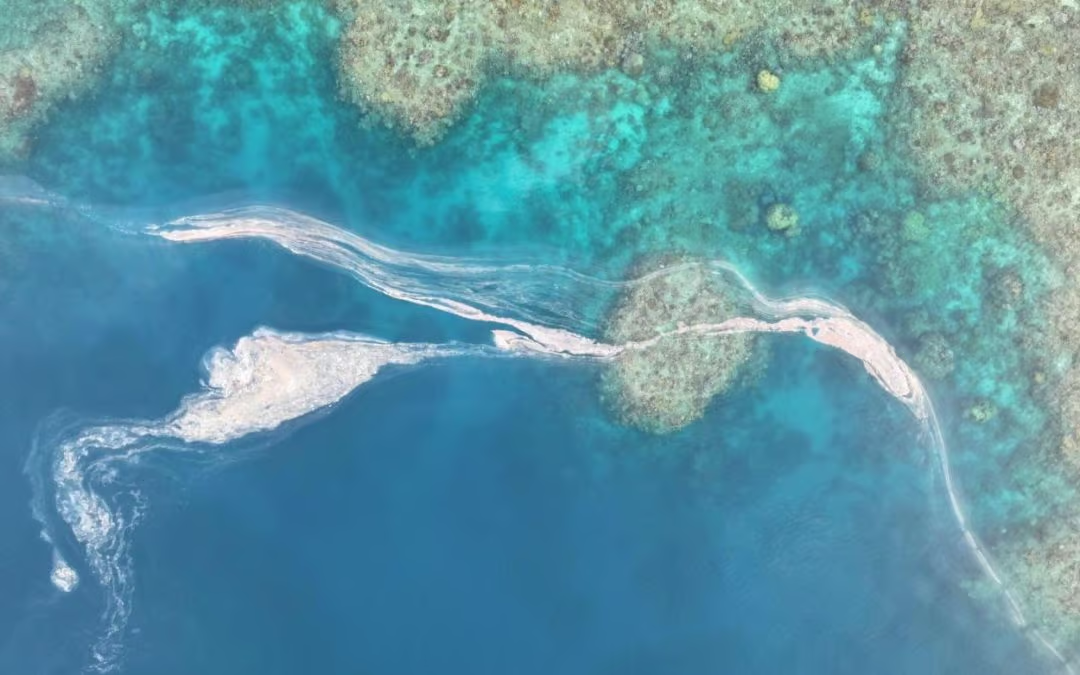
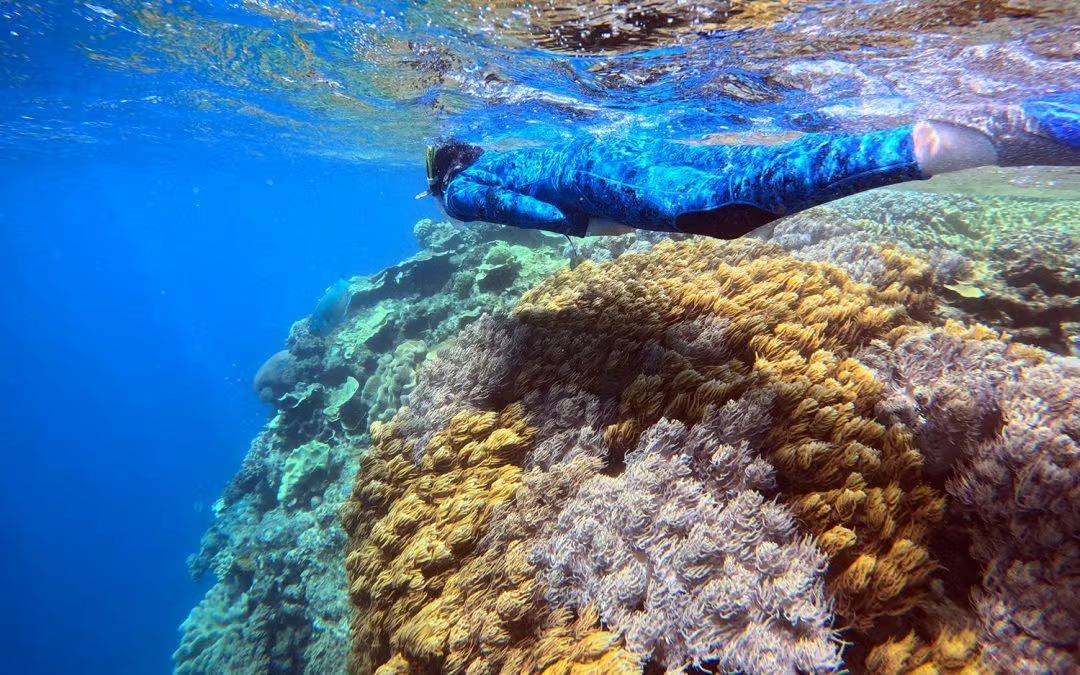
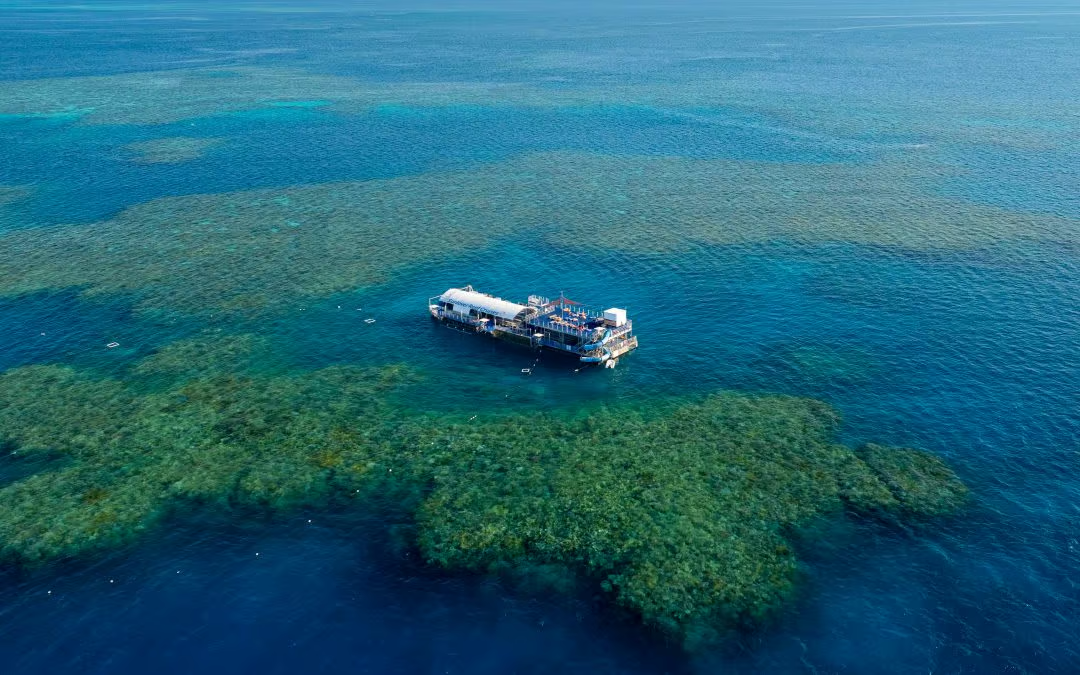
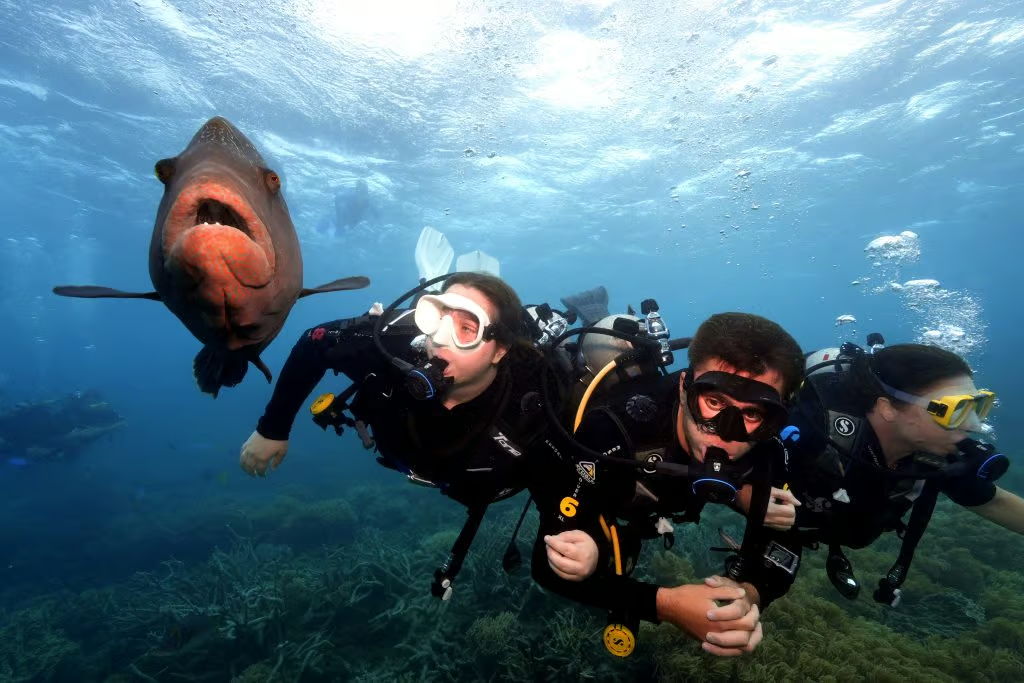
Water sits around 25 degrees at Moore Reef for most of the year, so a thin wetsuit is all you need. Visibility is routinely measured in tens of metres rather than single figures. There is no shore break, because you enter from a fixed platform moored on the reef.
Take away the cold, the murk and the surf entry, and what is left is the actual skill of diving. Most instructors will tell you the same thing: people learn faster in warm clear water, not because they are trying harder, but because they are not spending attention on being uncomfortable.
The other difference is what the dives are worth in themselves. 9 training dives on the outer Great Barrier Reef are 9 dives you would happily have paid for. 9 training dives in a cold bay in August are, mostly, admin you get through.
The money, properly compared
This is where most comparisons cheat, by putting a Sydney course price against a reef course price and stopping there.
A Sydney certification is cheaper as a course. But if you are certifying on the reef you are almost certainly going on that holiday anyway — so the honest comparison is not “course versus course”, it is “course versus course, minus the reef trip you were going to take regardless”.
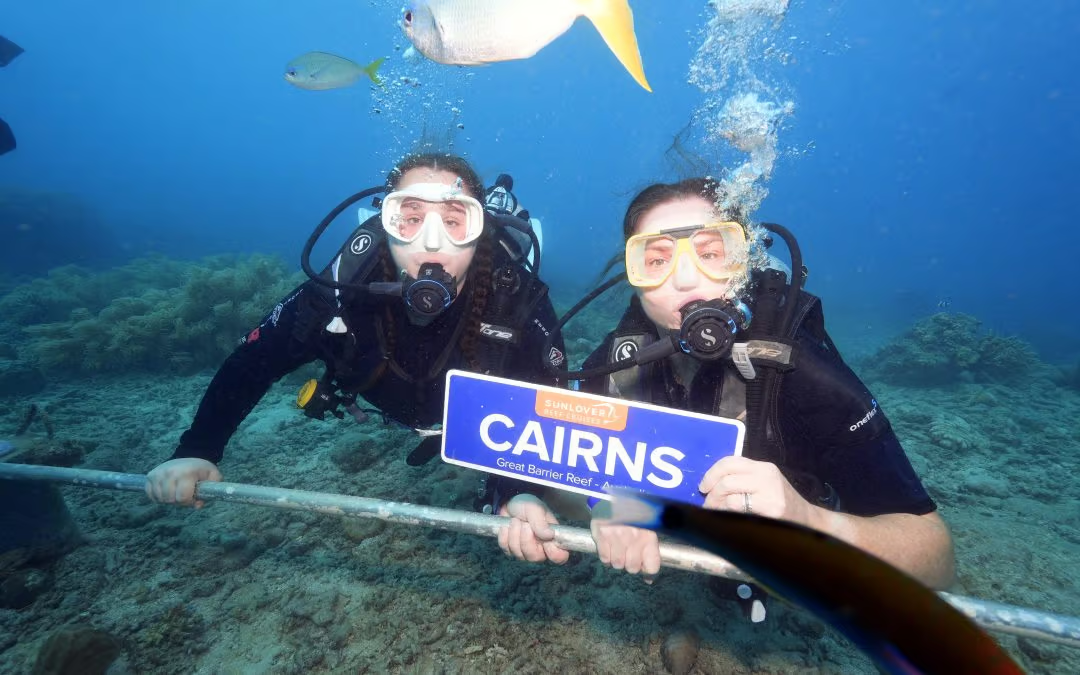
Our SSI Open Water Diver course is $1,030, which includes online study, 3 days at the Moore Reef pontoon, 9 training dives, all equipment, reef fees and certification. A Sydney course will typically come in meaningfully below that.
Whether the gap is worth it depends entirely on whether you were coming to Queensland anyway. If you were, the real cost of certifying here is the difference between the 2 courses, not the whole trip.
So which one
Certify in Sydney if you intend to keep diving locally, you want to spread the training over weekends, you are on a tight budget, or you want to be within an hour of a dive site for the rest of your life.
Certify on the reef if this is a holiday you are taking regardless, you want your first dives to be memorable rather than merely completed, cold water genuinely puts you off, or you have 4 clear days and want it done in one go.
There is also a middle path a lot of people miss: referral. Do the theory and confined-water skills with a Sydney dive centre, then complete your 4 open-water dives up here. You get local pool comfort and reef dives, and it uses less of your holiday. Any decent centre in either city will arrange it.
Common questions
Is the certification different?
No. An Open Water certification is the same qualification wherever you earn it — same standards council, same depth limit, same worldwide recognition, no expiry.
Will I be a worse diver if I learn in warm water?
You will be a less cold-water-experienced diver, which is a real thing but a fixable one. If you plan to dive Sydney regularly afterwards, a couple of guided local dives will bridge it quickly. The core skills are identical.
How many days do I need in Cairns?
5 is comfortable for a 3-day course. 6 gives you room if weather moves a day. Add a clear day before you fly — at least eighteen hours after your last dive.
When is the best time to come up?
September to December is generally the calmest and clearest stretch of the year, and it is also when courses fill.
Can I do the theory before I fly?
Yes, and you should. The online study is designed for it. Arrive with it finished and you spend your days diving instead of reading.
9 dives. 3 days. No pool.
Our SSI courses are bookable now and run entirely from the pontoon at Moore Reef on the outer Great Barrier Reef — maximum 4 divers per instructor, back in Cairns every night.
More on the whole process in our guide to getting scuba certified in Australia, and a full price breakdown here.