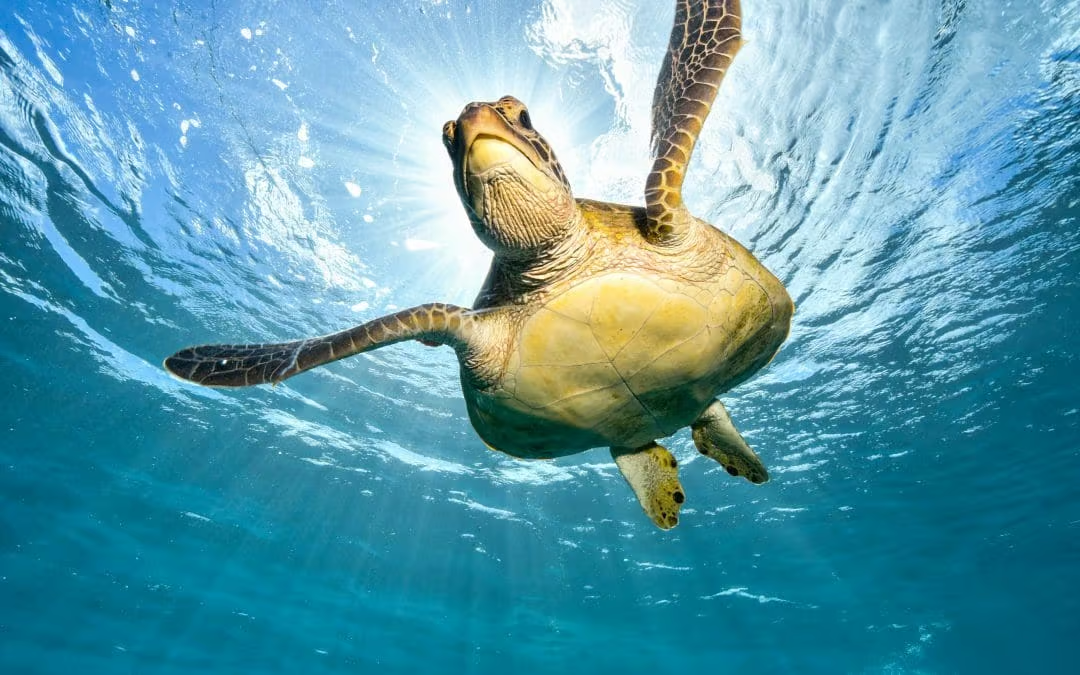
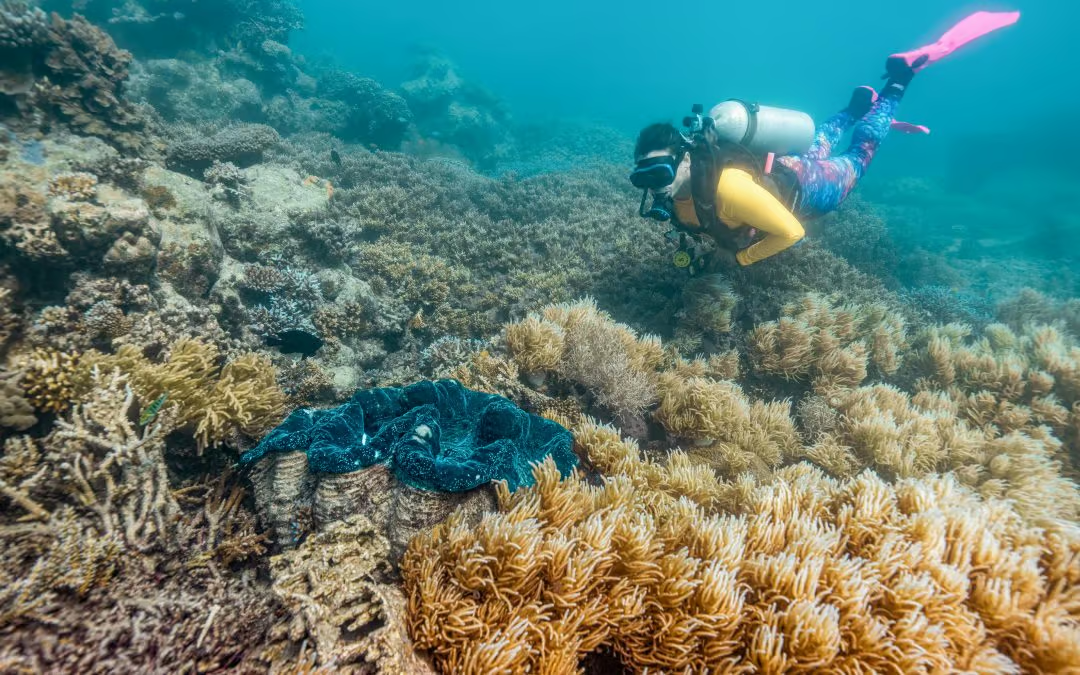
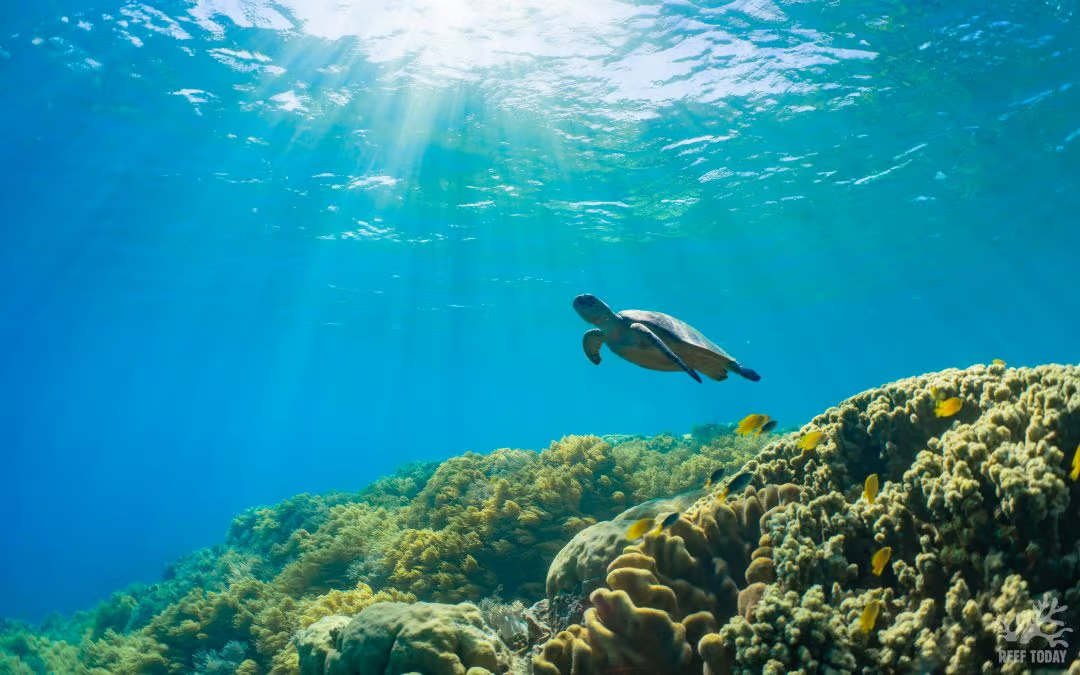
The certification is identical. What changes is where you spend your first nine dives, and how much of your attention goes on being cold, unable to see, or fighting a surf entry instead of learning to dive.
Pool training is cheaper, closer and can be spread over weekends. Reef training costs more and needs consecutive days, but the conditions do a lot of the teaching for you.
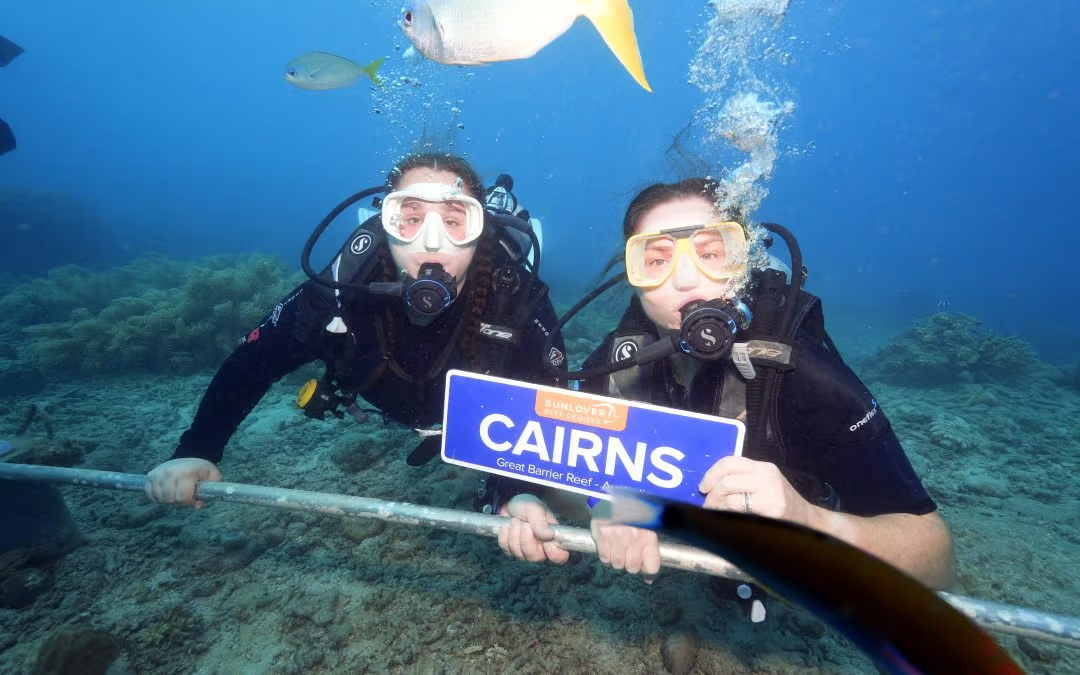
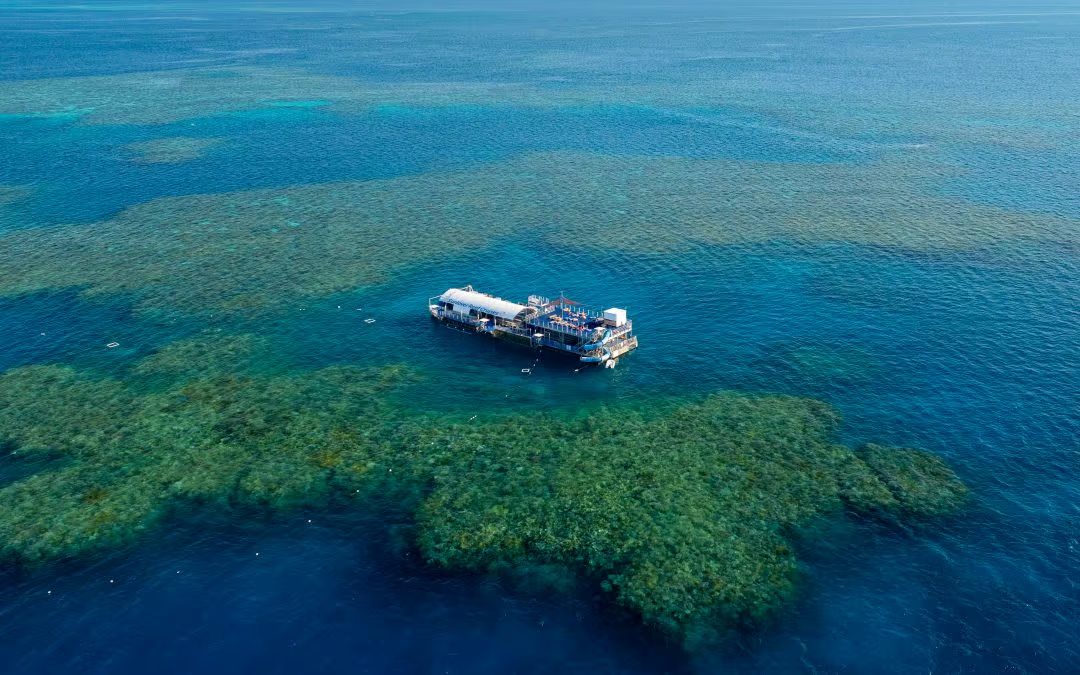
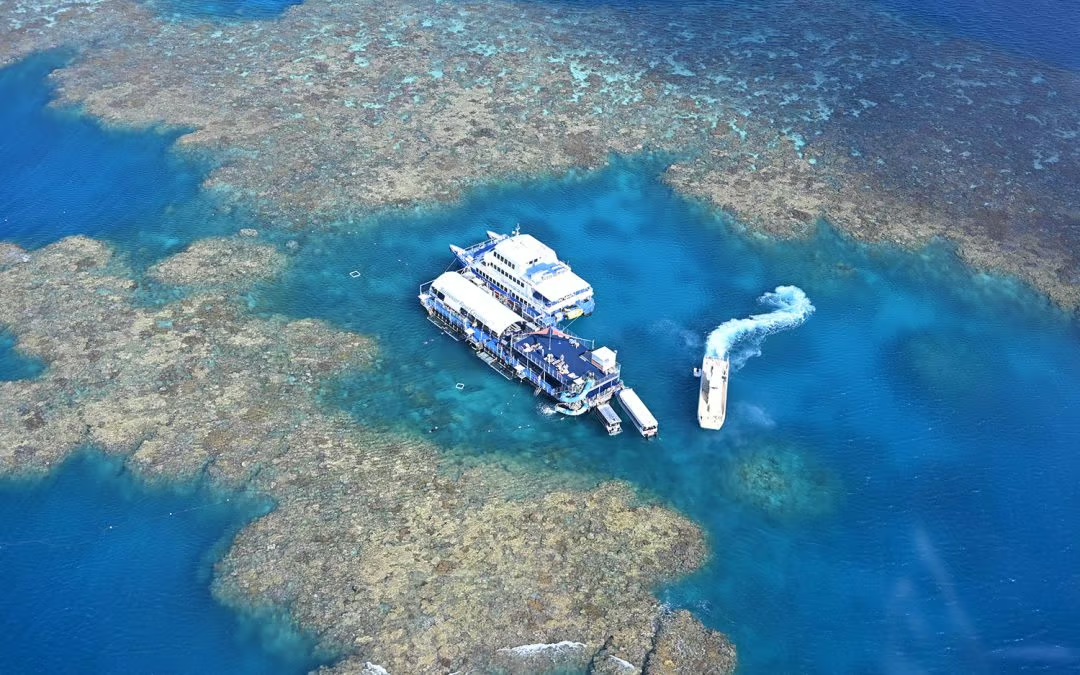
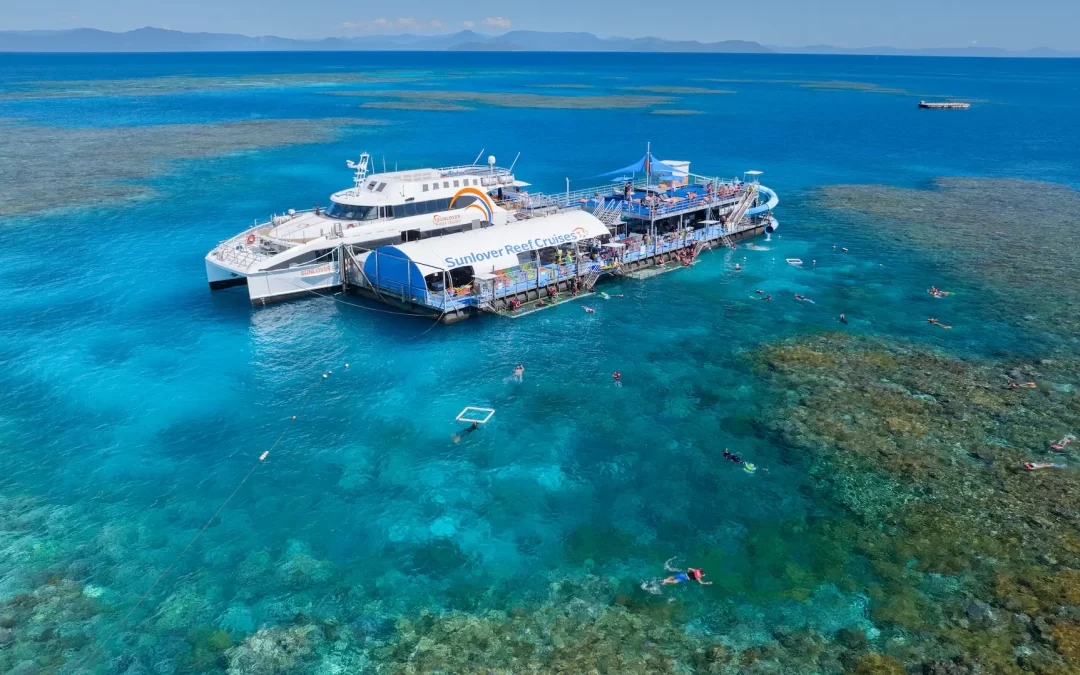
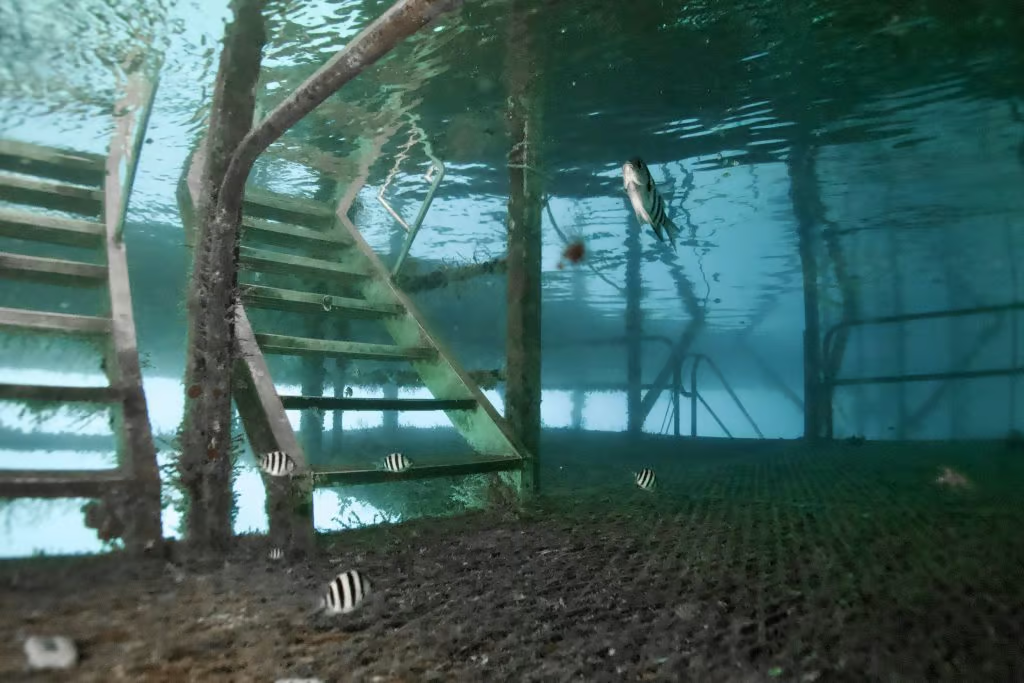
Almost every entry-level dive course in the world starts the same way: a set of skills practised somewhere shallow and controlled before you take them into open water. Traditionally that shallow, controlled place is a swimming pool. Ours is a sheltered area beside a pontoon moored on the outer Great Barrier Reef.
Both satisfy the same standard. They are not the same experience, and it is worth understanding why before you book either.
What the pool genuinely does better
We are not going to pretend the pool is a poor relation. It has real advantages.
It is controlled. Flat water, no current, no swell, a floor you can stand on and a shallow end you can retreat to. For someone genuinely nervous about being underwater, that matters more than any other factor on this page.
It is repeatable. If mask clearing takes you forty minutes, you have forty minutes. Nobody is waiting on a boat schedule, and the instructor is not watching a tide.
It is cheap and it is near you. No boat, no fuel, no crew, no reef fees. That is most of the price difference between a local course and ours, and it is the honest reason a pool-based course costs less.
It fits around a job. Two evenings and a couple of weekends is a very different ask from four consecutive days plus flights.
What changes when the shallow water is a reef
The trade runs the other way once you are in the water.
You can see what you are doing
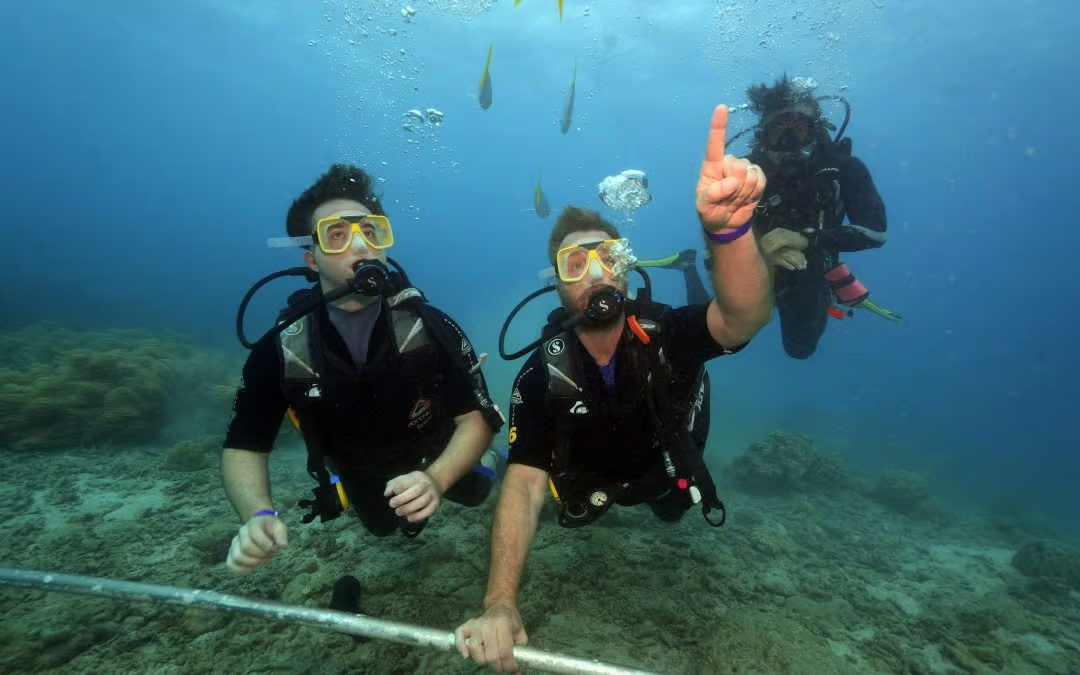
This is the one people underestimate. Learning to clear a mask while you can see your instructor’s face, their hand signals and the sand a metre below you is a different task from learning it in green water where the world ends two metres away. Visibility at Moore Reef is routinely measured in tens of metres.
You are not cold
Water at the pontoon sits around 25 degrees most of the year. Heated pools are comfortable too, but the open-water dives that follow a pool course usually are not — southern Australian dive sites run from the mid-teens to about 20 degrees, which means thick neoprene, a hood and gloves at exactly the point you are still learning buoyancy. Cold makes people rush, and rushing is the enemy of learning to dive well.
Stinger suits are free and available year round with us, and plenty of guests wear one in July simply because it keeps the sun off.
There is no entry to survive
Shore diving means walking into water through shore break in full gear, which is a skill of its own that you are learning at the same time as everything else. From a fixed platform you kit up sitting down and step in. It removes a whole category of difficulty.
The dives are worth doing anyway
Nine training dives on the outer Great Barrier Reef are nine dives you would happily have paid for. Nine training dives in a pool and a cold bay are, mostly, admin you get through to reach the good part. That is not a small difference over four days.
Where reef training is harder
Two things, and both are real.
Weather has a vote. A pool does not care about the wind. The outer reef does, and a strong south-easterly can move a day. Building one spare day into your trip removes almost all of that risk, but it is a risk a pool course does not carry.
There is no shallow end. The sheltered area beside the pontoon is calm and shallow, but it is still the ocean. If the idea of open water is the thing that frightens you, a pool genuinely is the gentler starting point, and we would rather say so than sell you the wrong course.
So which should you do?
Learn in a pool if you are seriously nervous in water, you want to spread training across weeks, budget is the deciding factor, or you intend to dive locally afterwards and would rather get used to those conditions from the start.
Learn on the reef if you were coming to Queensland anyway, you have four or five clear days, you would rather your first dives were memorable than merely completed, or cold water is the thing most likely to put you off diving for good.
There is also a middle route a lot of people miss. Referral lets you do the theory and the confined-water skills with a dive centre at home — in a heated pool, close by, in your own time — then complete your open-water dives up here. You get the pool’s patience and the reef’s payoff, and it uses less of your holiday. Most centres arrange it without fuss.
Common questions
Is a pool-trained diver less capable?
No. The standard is the same and the skills are the same. What differs is your logged experience, and that accumulates wherever you choose to dive afterwards.
Do you have a pool at all?
No. Our confined-water skills run in a sheltered, shallow area beside the pontoon at Moore Reef. That is a deliberate choice rather than a gap — it is the same water you will be diving for the rest of the course.
What if I panic in open water?
You end the session and try again. There is no pass mark on the water skills, and instructors have seen every version of this. With a maximum of four divers to an instructor there is room for someone to need extra time.
How cold is the water at Moore Reef?
Around 25 degrees for most of the year. Wetsuits are provided, and stinger suits are free and available year round — they also work as sun protection.
What happens if the weather cancels a day?
We work with you to move it. Leaving one spare day at the end of your trip is the single best insurance, and it is worth doing whatever the forecast looks like when you book.
Nine dives on the outer reef, not four in a quarry
Our SSI courses open on 1 October 2026 and run entirely from the pontoon at Moore Reef — maximum four divers per instructor, all equipment included, back in Cairns every night.